

2026 rule changes overview
The World Flying Disc Federation (WFDF) is updating the rulebook for the 2026 season. These changes target the stall count, marking distances, and travel calls to reduce on-field arguments and keep the disc moving.
The big three updates center around the stall count, marking rules, and travel calls. The stall count adjustments aim to clarify when a reset occurs, potentially reducing frustrating stall-out situations. Marking distance rules are being refined to find a better balance between aggressive defense and player safety. And finally, the travel call is undergoing a complete overhaul to move away from subjective interpretations.
These changes, as outlined in the updated WFDF rules, are intended to promote fairness and a more consistent experience for everyone involved. While some adjustments always take time, the goal is a smoother, more enjoyable game. Expect discussion, and be prepared to adapt your game accordingly.
Stall count and the 10-second reset
The 10-second stall count is a fundamental part of ultimate, but it’s often a source of debate. The 2026 rules aim to clarify exactly when that count begins and, crucially, when it resets. Previously, a change of possession – a drop, a block, or an incomplete pass – didn’t always clearly signal a reset. This led to arguments about whether the count should continue or restart.
The new regulations state that the stall count absolutely resets upon a clear change of possession. This means if a pass is dropped, blocked, or goes out of bounds, the stall count begins anew with the next thrower. This is a big win for handlers, giving them a bit more breathing room. However, it also puts pressure on them to make quick, decisive throws.
Consider a scenario: a handler is stalled at 8 seconds, throws a risky pass that’s tipped but not caught. Under the old rules, the stall count might have continued. Now, the count resets, giving the new thrower a fresh 10 seconds. This clarification should minimize frustrating stall violations. It also means cutters need to be ready to receive quickly.
The WFDF recognizes that consistent application is key. They've emphasized that the stall count should be called clearly and decisively, and that defenders should avoid 'soft counts' – gradually increasing the pace to pressure the thrower. This change is likely to be the most hotly debated, so understanding the nuances is crucial.
New marking distance standards
Marking distance has always been a tricky area. The goal is to allow for aggressive, physical defense without creating dangerous situations or allowing illegal contact. The 2026 rules aren’t a complete rewrite, but they provide much-needed clarification on what constitutes legal and illegal marking.
The core principle remains the "arm’s length’ rule. A marker must maintain at least one arm"s length distance from the thrower. However, the WFDF is providing more specific guidance on how to interpret this rule in different scenarios. For example, the rules now explicitly address marking when the thrower is pivoting.
Illegal marking includes actions that impede the thrower’s ability to release the disc, such as reaching over or around to block the throw. Contact that is deemed dangerous – including contact to the head or neck – is strictly prohibited. The penalty for illegal marking remains a yardage penalty, giving the throwing team an advantage.
Here’s a checklist to help you navigate the new marking rules:
It's important to remember that incidental contact can occur during play, but intentional or reckless contact is never acceptable. The spirit of the game demands respectful and safe play. Understanding the arm’s length rule and avoiding dangerous contact are crucial for both markers and throwers.
- Keep at least one arm's length from the thrower.
- Avoid reaching over or around the thrower.
- Do not make contact with the thrower's head or neck.
- Be aware of the thrower's pivot foot.
The pivot foot and travel calls
This is arguably the most significant change coming in 2026. The old travel rules were notoriously subjective, leading to endless debates and frustrating calls. The WFDF has scrapped the previous system and implemented a new framework centered around the concept of a "pivot foot."
Under the new rules, a player establishes a pivot foot when they come to a stop with possession of the disc. That pivot foot must remain in contact with the ground. A player can lift their non-pivot foot to throw or step, but the pivot foot must stay planted. Any movement of the pivot foot before the disc is released is considered a travel.
Let’s break down a common scenario. A cutter catches the disc and comes to a stop. They establish a pivot foot. They can then lift their other foot to create space for a throw. However, if they drag their pivot foot while throwing, it’s a travel. This is a significant departure from the previous rules, which focused more on the overall movement of the player.
The WFDF has provided detailed diagrams and examples to help officials and players understand the new rules. They’ve also emphasized that travel calls should be made based on clear and obvious violations. The goal is to reduce subjective interpretations and promote a more consistent application of the rules. This should lead to fewer controversial calls and a more fluid game.
The new rules also address situations involving momentum and incidental contact. As long as the pivot foot remains firmly planted, incidental contact or movement caused by an external force won’t be considered a travel. This provides a bit of leeway for players who are jostled or bumped during play.
Contact and fouls
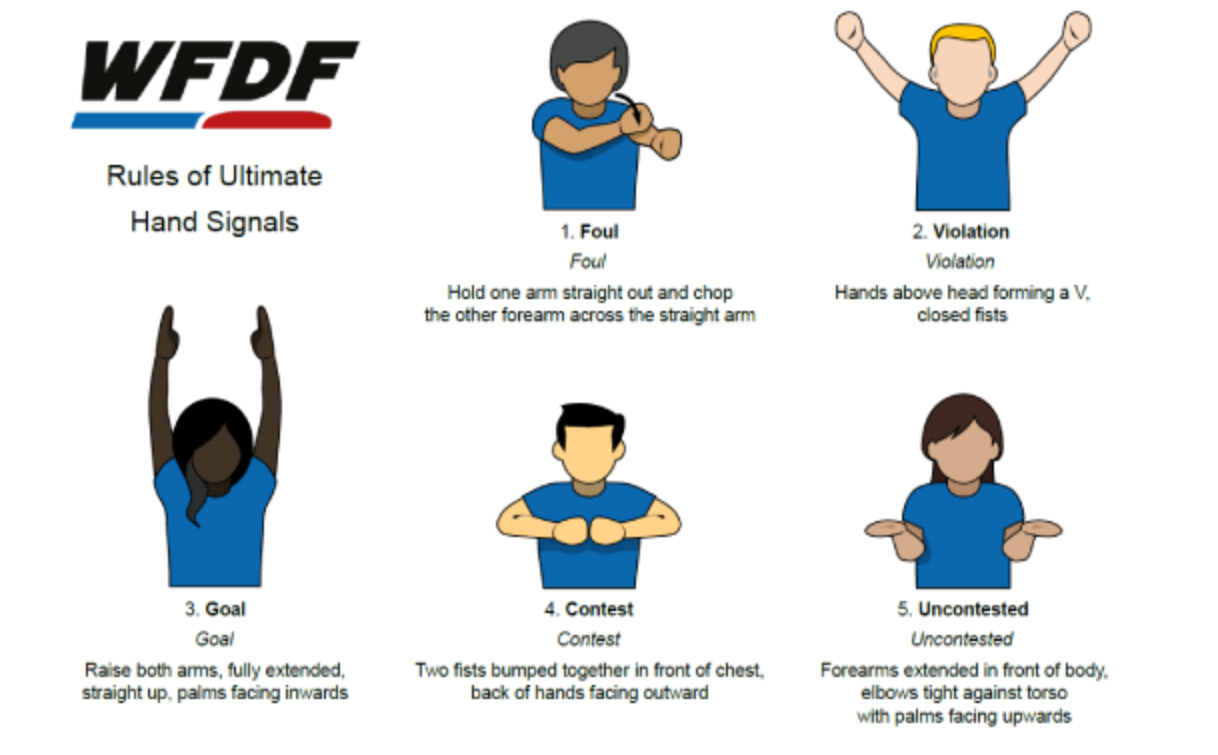
The fundamental principles of contact in ultimate remain unchanged: it’s a non-contact sport. However, the WFDF is providing more specific guidance on what constitutes a foul, particularly regarding dangerous play. This isn't a softening of the rules, but rather a clarification of existing principles.
The new regulations define "dangerous play’ more precisely, focusing on actions that create a foreseeable risk of injury. This includes reckless charges, intentional collisions, and any contact that targets a player"s head or neck. Officials are instructed to assess intent when evaluating potential fouls.
Remember, ultimate relies heavily on the 'Spirit of the Game.' Players are expected to self-officiate and resolve disputes respectfully. The new rules reinforce this principle, emphasizing the importance of honest communication and fair play. If a foul is called, players are encouraged to discuss it calmly and reach a mutually agreeable resolution.
Observer Roles: New Responsibilities in 2026
At higher-level tournaments, observers play a critical role in ensuring fair play. In 2026, the WFDF is expanding the responsibilities of observers, giving them more authority to intervene in disputes and enforce the rules.
Observers will now be empowered to proactively monitor the game and address potential issues before they escalate. They can also overrule calls made by players if they believe those calls are incorrect or unfair. This is a significant change, as it moves away from a purely self-officiating model.
To ensure consistent application of the rules, the WFDF is implementing standardized training and certification requirements for observers. This training will cover the new rules, conflict resolution techniques, and best practices for officiating. This change is aimed at improving the quality of officiating at higher-level tournaments.
Rule Change Impact: What Players Are Saying
Initial reactions to the rule changes have been mixed, as expected. On Reddit’s r/ultimate, many players are expressing concern about the stall count reset, fearing it will reward quick dumps and stifle offensive flow. Others see it as a necessary correction to a previously ambiguous rule.
On Twitter, several high-profile players have praised the travel call overhaul, calling it a long-overdue update. The consensus seems to be that the new pivot foot rule will lead to fewer subjective calls and a more consistent game. However, some coaches are worried about the learning curve for both players and officials.
Overall, the conversation highlights the challenges of implementing significant rule changes. While there’s broad agreement that the old system needed improvement, there’s also a healthy dose of skepticism and uncertainty about how the new rules will play out in practice. The next few tournaments will be crucial in shaping the community’s understanding and acceptance of these changes.
2026 Rule Changes
- Stall Count Clarification - The WFDF has refined the language around the stall count, specifically addressing situations where a defender initiates a stall count *while* simultaneously making a play on the disc. Expect stricter enforcement of a clear, audible count.
- Pick Rule Adjustments - Minor adjustments have been made to the pick rule to further differentiate between legal screens and illegal obstruction. The focus is on ensuring a defender has a reasonable opportunity to react to a screen.
- Contact Rule Emphasis - The WFDF is placing increased emphasis on player safety, leading to stricter enforcement of the contact rule. Incidental contact will still be permitted, but any contact deemed to affect play will likely result in a foul call.
- Travel Rule Precision - The definition of a pivot foot has been clarified to reduce ambiguity, particularly in situations involving quick changes of direction. Players must establish a pivot foot before initiating a throw.
- Marking Distance Consistency - Rules regarding the marking distance (typically 3 meters) are being standardized across all WFDF-sanctioned events to ensure consistent application of the rule.
- Out-of-Bounds Clarification - The WFDF has provided further guidance on determining whether a disc or a player is out-of-bounds, particularly in situations near the field boundary. The disc is out when *any* part of it crosses the vertical plane of the sideline or endzone line.
- Spirit of the Game Reminders - While not a rule *change*, the WFDF is actively promoting resources and workshops focused on upholding the Spirit of the Game, emphasizing fair play, conflict resolution, and mutual respect.

No comments yet. Be the first to share your thoughts!