

2026 Rule Shifts: A First Look
The world of Ultimate Frisbee is on the cusp of some significant changes. As of November 2023, the World Flying Disc Federation (WFDF) has proposed a set of rule updates slated for implementation in the 2026-2027 season. These aren’t just minor tweaks; they represent a conscious effort to address ongoing concerns about consistency in officiating and to reinforce the core principles of Spirit of the Game. It's important to remember these are proposed rules, subject to final ratification, but they offer a clear direction for the future of the sport.
Players and observers have been voicing frustrations for years about ambiguities in existing rules, leading to inconsistent calls and heated debates. The proposed changes tackle three core areas: marking distance, the stall count, and receiver interference. While each adjustment seems relatively contained on its own, the combined effect promises to reshape how the game is played and officiated. The changes aim to reduce grey areas, empowering players to self-officiate more effectively and fostering a more positive playing environment.
The motivation behind these updates isn’t simply about tightening regulations, but about clarifying expectations. WFDF hopes to provide a framework that allows for more fluid gameplay while simultaneously minimizing opportunities for contentious calls. This is especially important as Ultimate continues to grow in popularity and attract a wider range of players, each with different interpretations of the rules. Expect a greater emphasis on player responsibility and a shift towards resolving disputes through communication and mutual understanding.
This article will break down each of these proposed changes, explaining the reasoning behind them and exploring their potential impact on the game. We’ll dive into the specifics, providing practical examples and insights to help you prepare for the 2026 season and beyond. Ultimately, these changes are designed to improve the experience for everyone involved – players, observers, and the Ultimate community as a whole.
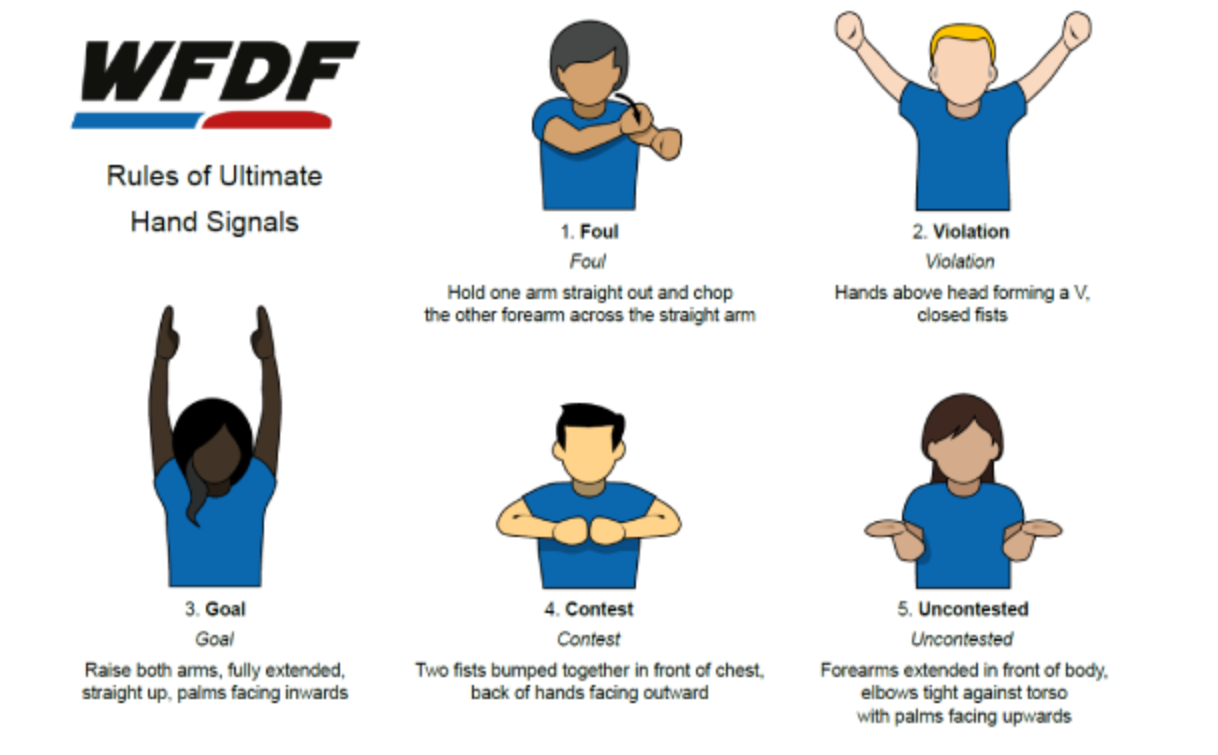
Marking Distance: The 'Reasonable Proximity' Rule
Perhaps the most substantial change coming in 2026 is the overhaul of the marking distance rule. The old three-meter rule, while seemingly straightforward, was often a source of contention. Determining precisely when a marker was within three meters was subjective, leading to frequent fouls and arguments. The proposed rules move away from this fixed distance and instead introduce the concept of "reasonable proximity".
So, what does "reasonable proximity’ actually mean? According to the proposed rules, a marker must maintain enough distance to allow the thrower a reasonable opportunity to complete a throw. This isn’t a precise measurement, but rather a judgment call based on the thrower"s movements and throwing style. The rules document states that a marker should be close enough to legitimately contest a throw, but not so close as to impede the thrower's motion or create a safety hazard. It’s a move towards a more dynamic and contextual approach to marking.
This change significantly alters defensive strategies. Defenders can no longer simply maintain a consistent three-meter distance; they must actively adjust their positioning based on the thrower’s actions. This requires greater awareness, agility, and a deeper understanding of throwing mechanics. It also places a greater burden on markers to avoid contact and maintain a respectful distance. Expect to see more emphasis on footwork and positioning drills in practice.
The implications for calling fouls are also significant. Fouls for close marking will now be based on whether the marker’s proximity actually impeded the thrower, rather than simply being within three meters. This will likely lead to fewer ticky-tack fouls, but it also means that markers will need to be more mindful of their positioning and avoid any actions that could be perceived as intentionally disruptive. The onus is on the marker to demonstrate that they are not unfairly hindering the thrower.
The proposed rules also address the issue of 'shadowing,' where a marker intentionally positions themselves directly in the thrower’s line of sight. While not explicitly prohibited, the rules emphasize that shadowing should not be used to obstruct the thrower’s vision or disrupt their throwing motion. This further reinforces the idea that marking should be about legitimate contest, not intimidation.
- Reasonable Proximity: The marker must allow the thrower a reasonable opportunity to complete a throw.
- Dynamic Positioning: Defenders must adjust their positioning based on the thrower's actions.
- Emphasis on Intent: Fouls will be called based on whether the marker actually impeded the thrower.
Stall Count Adjustments: Clarity and Consistency
The stall count is another area receiving attention in the 2026 rule changes. The goal here is to reduce ambiguity and prevent arguments about when the count should begin and how it should be reset. The changes primarily focus on clarifying the rules surrounding the initiation of the stall count and how it’s affected when a thrower regains possession of the disc.
Currently, the stall count typically begins once the defender announces “Stalling” and begins counting. The proposed rules allow the stall count to begin before the disc is released, specifically when the marker is actively applying pressure and the thrower is clearly preparing to throw. This aims to address situations where throwers would delay their throw to exploit a technicality in the existing rules. It’s a subtle but potentially impactful change.
The rules also clarify how the stall count is reset when a thrower gains possession of the disc again after a pass or drop. Previously, there was some debate about whether the count should automatically reset to one or if the marker could immediately resume counting from where they left off. The new rules explicitly state that the count resets to one, providing a clear and consistent standard. This should eliminate confusion and reduce opportunities for disputes.
These changes are intended to streamline the stall count process and make it more intuitive for both players and observers. By clarifying when the count can begin and how it’s reset, WFDF hopes to minimize unnecessary stoppages in play and maintain a faster pace. It also reflects a desire to reward defenders for applying consistent pressure and to discourage throwers from deliberately stalling.
While the stall count adjustments may seem minor compared to the marking distance changes, they are nonetheless important for ensuring fair play and promoting a smooth, consistent game experience. They address specific loopholes in the existing rules and provide a clearer framework for both throwers and defenders.
Receiver Interference: New Definitions
Receiver interference is notoriously difficult to officiate, and the proposed rules aim to address this challenge by providing more precise definitions of what constitutes illegal contact. The key changes revolve around clarifying the concepts of "significant contact’ and ‘affecting the play."
The new rules define "significant contact’ as any physical contact between a defender and a receiver that materially alters the receiver’s ability to make a play on the disc. This moves away from the vague notion of ‘any contact’ and focuses on whether the contact actually had a tangible impact on the outcome of the play. This is a crucial distinction. A slight brush or incidental contact that doesn’t impede the receiver"s movement is no longer considered a foul.
"Affecting the play’ is defined as any action by a defender that prevents the receiver from reasonably making a catch. This includes not only physical contact, but also positioning that illegally obstructs the receiver’s path to the disc. The rules emphasize that defenders are allowed to contest catches, but they must do so without impeding the receiver"s ability to jump, reach, or otherwise make a legitimate attempt.
These changes place a greater emphasis on the defender’s intent and the actual impact of their actions. Defenders are still allowed to challenge for the disc, but they must do so in a way that doesn’t unfairly hinder the receiver. Receivers, in turn, are expected to make a reasonable effort to play the disc, and they cannot simply initiate contact to draw a foul.
The Spirit of the Game plays a particularly important role in interpreting these rules. Determining whether contact was "significant’ or whether a defender ‘affected the play" often requires subjective judgment. Players are encouraged to communicate with each other and resolve disputes through respectful dialogue. The goal is to create a fair and competitive environment where both receivers and defenders can play to their full potential.
Defender-Receiver Contact Matrix: 2026 WFDF Regulations
| Contact Level | Definition (per 2026 WFDF Rules) | Likelihood of Foul Call | Example Scenario |
|---|---|---|---|
| Legal Contact | Incidental contact with minimal impact on the receiver’s ability to make a play. Contact must not impede the receiver's movement or ability to catch the disc. | Low | A defender brushes past a receiver while both are running for the disc, with no significant disruption to the receiver’s stride. |
| Questionable Contact | Contact that has some impact on the receiver, but is difficult to definitively call as a foul. This often involves timing and positioning, and requires judgment from the players involved. | Moderate, dependent on Spirit of the Game discussion | A defender arrives slightly before the receiver to contest a high disc, resulting in shoulder-to-shoulder contact that doesn’t prevent a catch but alters the receiver’s jump. |
| Illegal Contact: Initiated Contact | Contact initiated by the defender that impedes the receiver’s movement or ability to make a play. This includes pushing, grabbing, or intentionally creating obstruction. | High | A defender actively reaches out and pushes a receiver off their path to the disc. |
| Illegal Contact: Creating Dangerous Circumstances | Contact that creates a dangerous situation for either the receiver or the defender. This includes contact that could lead to injury. | Very High | A defender leaps into a receiver while contesting a disc, creating a risk of collision and injury. |
| Legal Contact: Simultaneous Contest | When both the defender and receiver arrive at the disc simultaneously, incidental contact is generally legal, provided it doesn't create a dangerous situation or significantly impede the receiver. | Low | Both a defender and receiver jump for a disc at the same time, and their arms briefly collide. |
| Questionable Contact: Timing and Positioning | Contact that occurs due to close proximity and quick reactions, where it’s unclear if the contact was intentional or avoidable. Requires discussion. | Moderate | A defender and receiver both attempt to box out for position on a disc, resulting in brief contact as they adjust their bodies. |
Illustrative comparison based on the article research brief. Verify current pricing, limits, and product details in the official docs before relying on it.
Out-of-Bounds Calls: A Focus on Certainty
Out-of-bounds calls are often among the most debated in Ultimate, and the proposed rules for 2026 aim to reduce these disputes by requiring a higher degree of certainty from the caller. The current standard allows for calls to be made based on a "reasonable belief’ that the disc or player was out of bounds. The new rules shift this standard to require ‘clear and convincing evidence."
This means that a caller must be reasonably certain – not just believe – that the disc or player was out of bounds before making the call. This is a significant change that will likely lead to fewer calls being made, particularly in close situations. It also encourages observers to take a more cautious approach and avoid making calls based on speculation or uncertainty.
The changes also emphasize the importance of clear visual cues. Callers should be able to point to specific evidence – such as the disc landing outside the boundary line or a player stepping out of bounds – to support their call. This further reinforces the need for certainty and reduces the likelihood of subjective calls.
This adjustment is intended to promote fairness and reduce frustration among players. By requiring a higher standard of proof, WFDF hopes to minimize the number of incorrect out-of-bounds calls and create a more consistent officiating experience. It also recognizes the impact that these calls can have on the momentum of the game.
Do you think the increased requirement for certainty in out-of-bounds calls will lead to fewer disputes, or will it simply shift the arguments to other areas of the game?
Vote below!
Pulling Procedures: Minor Clarifications
The changes to pulling procedures are relatively minor, but still worth noting. The proposed rules primarily address the issue of pull length and the restriction on intentionally short pulls. WFDF wants to encourage longer pulls that create more competitive starting possessions.
The rules now explicitly state that pulls should be thrown a reasonable distance, allowing the receiving team a fair opportunity to gain possession. Intentionally short pulls – those designed to limit the receiving team’s options or create an easy defensive setup – are discouraged and may be considered a violation of the Spirit of the Game.
These adjustments are intended to promote more dynamic and engaging starting plays. By encouraging longer pulls, WFDF hopes to create more opportunities for contested catches and strategic positioning. While the changes are subtle, they reflect a desire to maximize the competitive potential of the pull.
Impact on Strategy: What Coaches are Saying
The proposed rule changes are already sparking discussion among coaches and experienced players. Many believe the shift to "reasonable proximity’ in marking will require a significant adjustment to defensive strategies, emphasizing footwork, agility, and a deeper understanding of throwing mechanics. “You can’t just camp out three meters away anymore,” says Sarah Jones, head coach of the Seattle Riot. “Defenders will need to be much more active and responsive, constantly adjusting their positioning based on the thrower"s movements.”
The clarification of the stall count is also expected to impact offensive play. Coaches anticipate that teams will need to be more decisive with their throws and avoid holding the disc for too long. “The new rules reward quick decision-making and punish hesitation,” notes Mark Thompson, a veteran coach with the San Francisco Revolver. “Offenses will need to prioritize efficient ball movement and create throwing opportunities before the stall count gets too high.”
The changes to receiver interference are perhaps the most nuanced, and coaches emphasize the importance of educating players about the new definitions of "significant contact’ and ‘affecting the play.’ “It’s going to be crucial for players to understand the difference between legitimate contest and illegal interference,” says Lisa Chen, a coach with the Boston Brute Squad. “We"ll be spending a lot of time in practice working on positioning and technique to ensure our players are playing within the rules.”
Overall, coaches agree that the proposed rule changes will likely lead to a more fluid and dynamic game, with a greater emphasis on skill, athleticism, and strategic decision-making. The adjustments will require teams to adapt their training and game plans, but they also offer opportunities for innovation and creativity. The 2026 season promises to be an exciting one for Ultimate fans.
Resources and Further Reading
For a comprehensive understanding of the proposed rule changes, refer to the official WFDF documents: The UFA website () also provides updates and resources related to the rule changes.
Stay informed about ongoing discussions and analysis of these changes through online forums and social media groups dedicated to Ultimate Frisbee. Engaging with the community is a great way to share insights and prepare for the 2026 season.
Resources for 2026 Rules
- WFDF Official Rules - The complete and official 2026-2027 rules document published by the World Flying Disc Federation.
- USA Ultimate Rules - USA Ultimate’s interpretation and implementation of the WFDF rules for sanctioned events in the United States.
- WatchUFA - The official platform for accessing game footage and rulings explanations related to WFDF events, often showcasing rule applications.
- WFDF Forums - Discussion forums hosted by WFDF where players and officials discuss rule interpretations and changes (availability varies).
- USA Ultimate Forums - USA Ultimate’s online forums provide a space for discussion regarding rules and gameplay within the US Ultimate community.
- Rule Change Summaries - Many Ultimate organizations and blogs publish concise summaries of the key rule changes. Look for summaries from reputable sources.
- Local League Resources - Check with your local Ultimate league for any specific adaptations or clarifications of the WFDF rules they may implement.

No comments yet. Be the first to share your thoughts!