

2026 Rulebook: Key Changes at a Glance
USA Ultimate and WFDF finalized the 2026 rulebook with an official start date of September 19, 2026. Most changes focus on the stall count and how we handle contact. You'll need to know these before DISCover Ultimate Day tournaments begin.
At the heart of these updates lies a continued emphasis on the Spirit of the Game. Rule modifications aren’t intended to replace self-officiating and respectful discourse, but rather to provide a clearer framework for resolving disputes and promoting a positive playing experience. Many of the adjustments stem from feedback collected from players and observers at various levels of competition.
The most impactful changes center around the stall count, contact during plays, and the interpretation of obstruction (picks). We'll break down each of these in detail. Notably, there’s been a refinement of foul classifications and their associated consequences, aiming for greater consistency in officiating. Expect to see increased scrutiny on dangerous play, and a stronger emphasis on player responsibility.

Stall count changes
The stall count has always been a source of debate, and the 2026 rules address some of the most common points of contention. The primary change is a clarification on what constitutes a "fast count." A stall count is now explicitly defined as beginning with the first audible stall call and must be completed within ten seconds. The defender initiating the count must maintain a clear line of sight to the thrower throughout.
This impacts defensive strategy significantly. Aggressive defenders will need to be more precise with their counts, as a rushed or unclear count may be ruled invalid. Offensively, throwers have a slightly reduced window for releasing the disc. A key point is that a defender cannot begin a stall count until the thrower has possession of the disc and is actively looking to throw.
A common scenario involves a thrower pivoting and looking downfield, then briefly looking at their feet. Under the new rules, a stall count started during this brief look away is likely to be considered invalid. Another frequent issue is the 'simultaneous' stall and throw. The rule clarifies that the throw must be released before the tenth stall is called. This will likely lead to more turnovers, but also to fairer outcomes.
To test your understanding, consider this: a defender starts a stall count. The thrower pivots, looks downfield, and then looks back at the defender on the eighth stall. Is this a valid stall count? The answer is likely yes, as the defender didn’t initiate the count while the thrower wasn’t actively looking to throw.
- Stall count begins with the first audible stall call.
- Count must be completed within ten seconds.
- Defender must maintain clear line of sight to the thrower.
- Throw must be released before the tenth stall is called.
2026 Ultimate Frisbee Stall Count Rules: Test Your Knowledge
The 2026 rules updates bring significant changes to how stall counts operate in Ultimate. This quiz will test your understanding of these new regulations, focusing on legal and illegal stall count scenarios. Accurate stall counting is crucial for fair play – let's see how well you've kept up with the changes!
New contact and foul rules
Player safety is a top priority, and the 2026 rules reflect that. The definition of dangerous play has been tightened, with increased focus on preventing collisions and protecting players from unnecessary risk. Specifically, initiating contact with an opponent while attempting to play the disc is now a stricter foul.
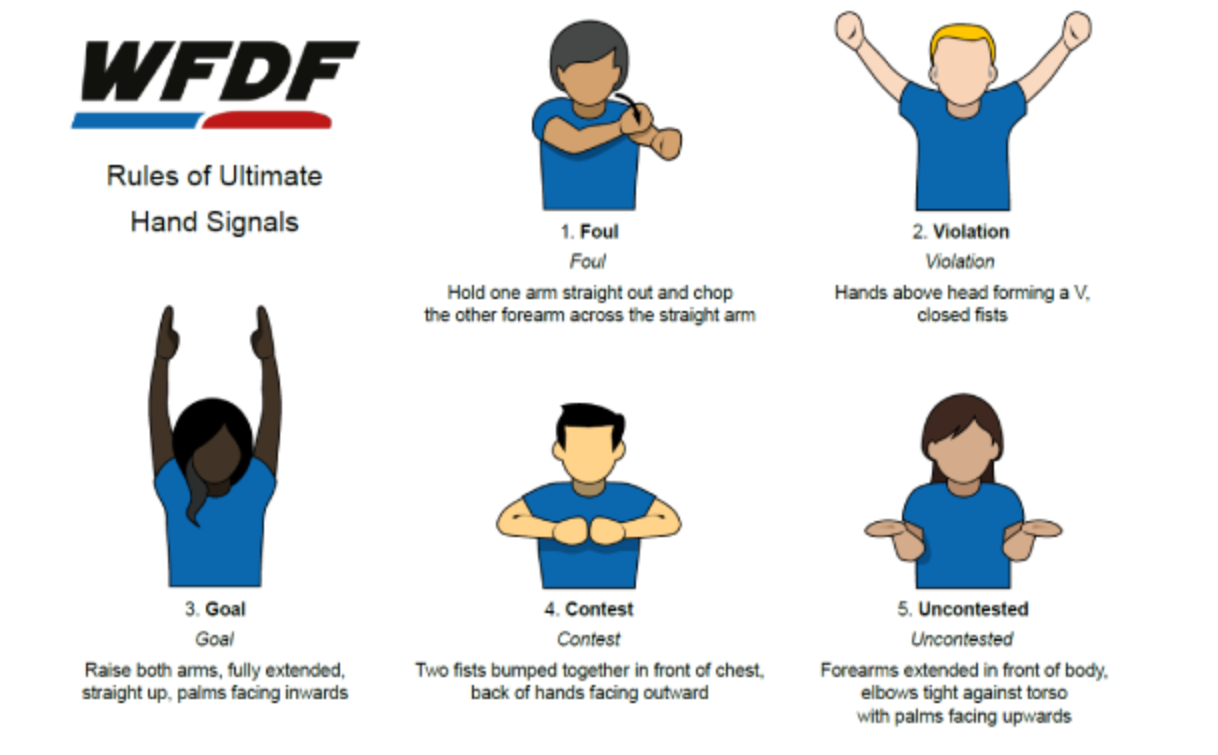
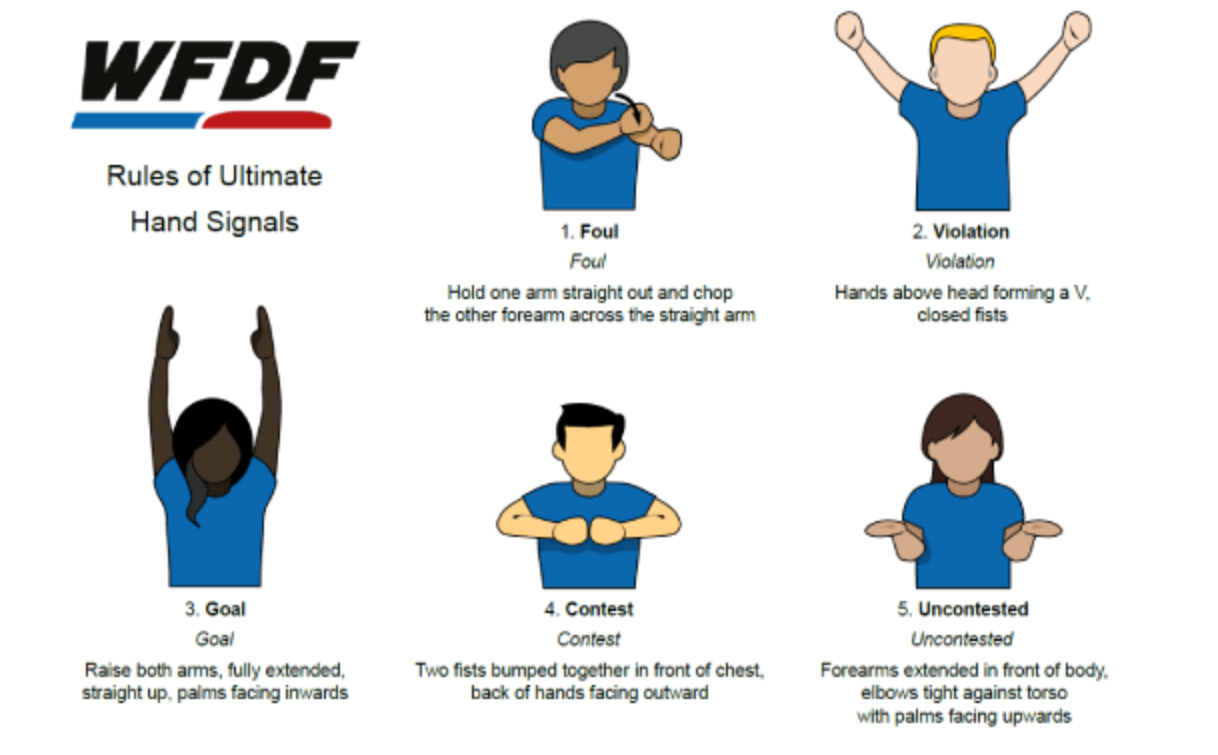
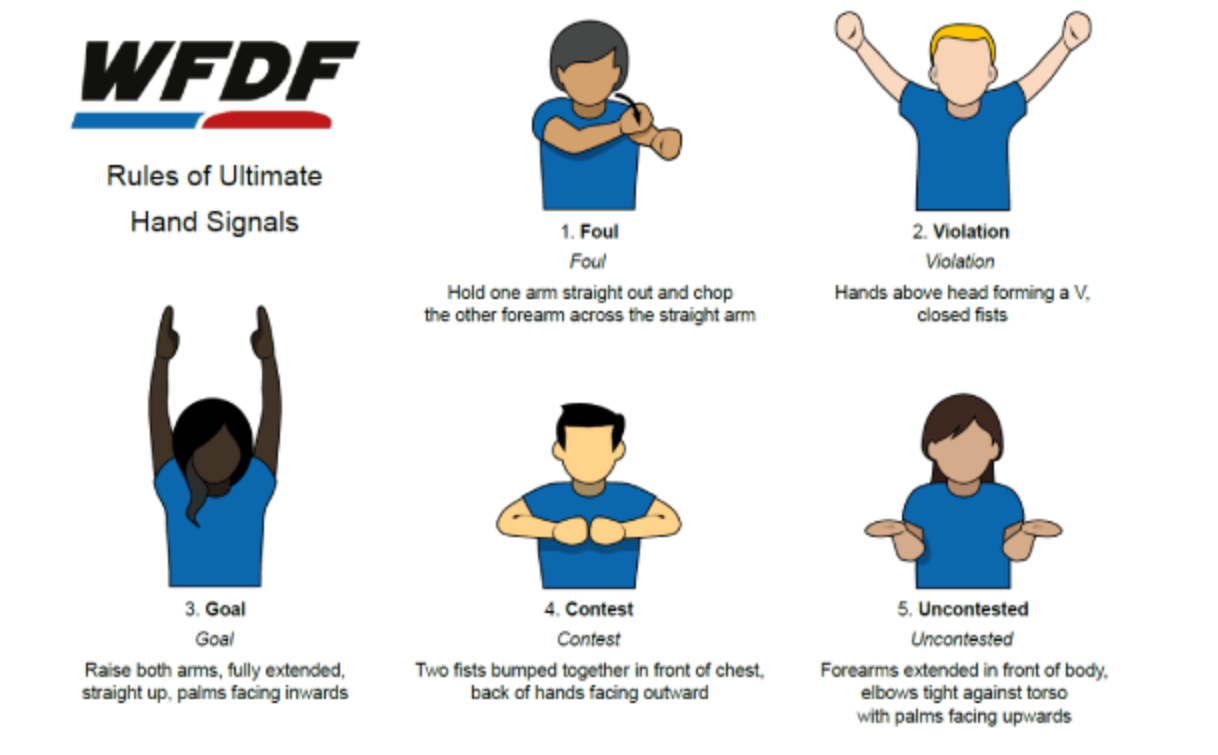
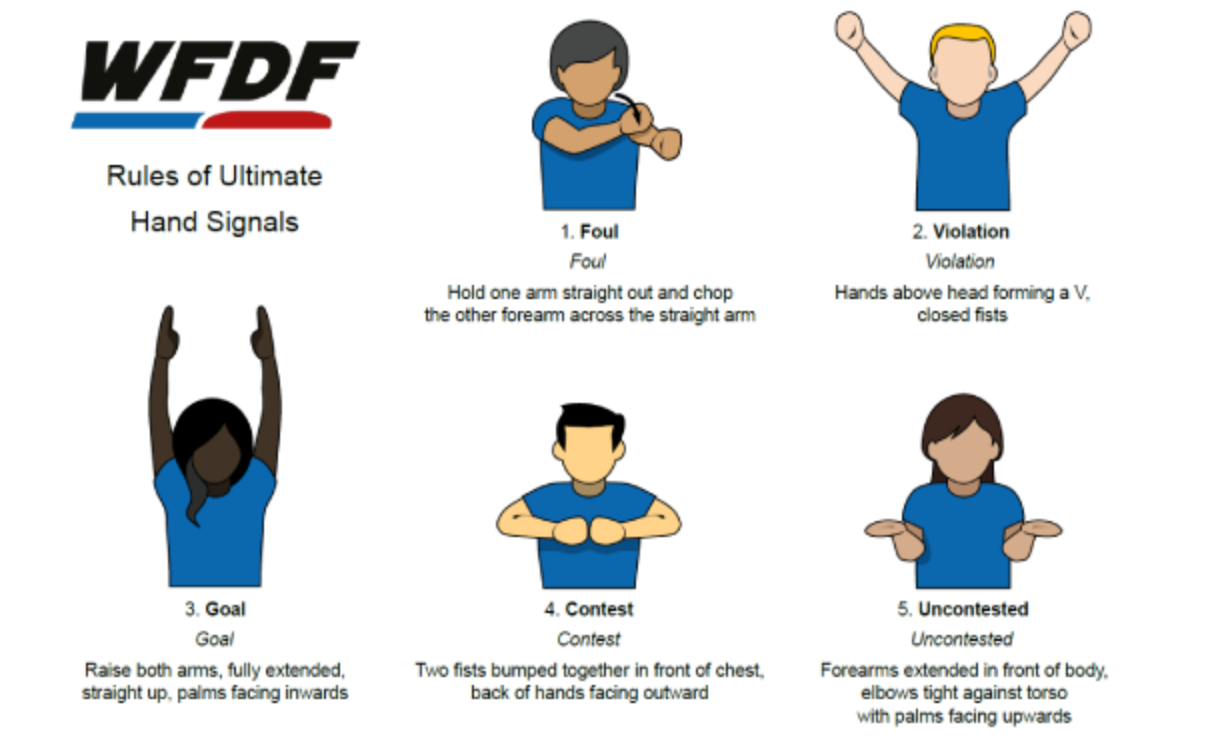
Fouls are categorized into three levels: minor, major, and travel fouls. A minor foul results in a continuation of play, while a major foul results in a turnover and the possibility of a suspension. Travel fouls involve illegal movement with the disc. The key update is that any contact deemed reckless or intentional will automatically be classified as a major foul.
This places a greater responsibility on players to be aware of their surroundings and avoid initiating contact. Observers now have the authority to issue warnings for potentially dangerous play, even if no foul is called immediately. This proactive approach aims to prevent injuries before they occur. Incidental contact, while still acknowledged, will be viewed with increased scrutiny.
- Minor fouls let play continue.
- Major fouls result in a turnover and potential suspension.
- Travel Foul: Illegal movement with the disc
Foul Classification Comparison: 2024-2025 vs. 2026 Rules
| Foul Type | Description | Penalty | Observer Involvement |
|---|---|---|---|
| Minor Foul | Contact that affects the play but is not dangerous. | Loss of possession at the point of the foul. Play stops. | Generally, observer involvement is limited to clarifying the location of the foul. |
| Major Foul | Contact that is dangerous or creates a significant risk of injury. | Loss of possession and potential suspension depending on severity. May result in a warning or ejection. | Observer involvement is crucial; they determine severity and potential disciplinary action. |
| Travel | Movement of a pivot foot while in possession of the disc. | Loss of possession at the point of the travel. Play stops. | Observer typically calls travel; discussion may occur if contested. |
| Strip | Contact made with the disc or the hand holding the disc while attempting to gain possession. | Loss of possession at the point of the strip. Play stops. | Observer involvement is necessary to determine if contact was incidental or a foul. |
| Pick | Intentional obstruction of a defender by an offensive player without attempting to catch the disc. | Loss of possession at the point of the pick. Play stops. | Observer determines if the obstruction was intentional and impacted the defender’s ability to play. |
| Fast Count | A thrower does not release the disc within ten seconds. | Loss of possession. The disc goes to the defender. | Observer is responsible for counting and calling fast counts. |
Illustrative comparison based on the article research brief. Verify current pricing, limits, and product details in the official docs before relying on it.
Clarifying the pick rule
The obstruction rule, often referred to as the 'pick' rule, has been a constant source of confusion. The 2026 rules aim to provide greater clarity by emphasizing the concept of intentional obstruction. A legal screen involves a player establishing position and allowing an opponent to play around them. An illegal pick occurs when a player moves into the path of an opponent to impede their movement.
The key difference lies in the intent. If a player deliberately positions themselves to create a roadblock, it's a pick. If a player is simply standing in a location and an opponent runs into them, it’s generally not. The new rules also address situations where a player uses their body to shield the disc from a defender – this is now explicitly considered an illegal pick.
To avoid illegal picks, players should focus on establishing stationary positions and avoiding any movement that directly impedes an opponent’s path. Defenders should communicate clearly with potential pickers to avoid collisions and ensure fair play. This remains a judgement call, and observers will play a critical role in determining whether a pick is legal or illegal.
- Legal Screen: Player establishes position and allows play around them.
- Illegal Pick: Player moves to impede opponent’s movement.
- You cannot use your body to shield the disc from a defender.
Out-of-Bounds: Boundary Line Nuances
There have been minor adjustments to the out-of-bounds rules for 2026. The primary change concerns the interpretation of foot placement on the boundary line. Previously, any part of the foot touching the line was considered inbounds. Now, the entire foot must be completely within the field of play to be considered inbounds.
This stricter enforcement applies particularly to endzone plays and sideline cuts. A receiver attempting a diving catch near the sideline will now need to ensure their entire foot lands within the boundary line to maintain possession. This is likely to result in more contested catches and potentially more turnovers.
The rules also clarify that if a player’s momentum carries them out of bounds after making a catch, the catch is still valid as long as the initial catch was made while inbounds.
Observer Roles and Responsibilities: 2026 Updates
Observers are essential for maintaining fair play, and their roles have been refined in the 2026 ruleset. Observers now have the authority to issue warnings for potentially dangerous play before a foul occurs, as mentioned earlier. They also have increased latitude in interpreting the Spirit of the Game and mediating disputes.
Players are expected to communicate respectfully with observers and accept their rulings. Repeatedly contesting an observer’s decision can result in a warning or even a suspension. Observers are encouraged to explain their reasoning clearly and provide constructive feedback to players.
USA Ultimate has online courses and workshops if you want to become an observer. You can find the sign-up links on their main site. Observers are there to help the game stay fair, not to decide who wins.
- Observers can issue warnings for potentially dangerous play.
- Players must communicate respectfully with observers.
- USA Ultimate provides observer training resources.
No comments yet. Be the first to share your thoughts!