

2026 rulebook changes
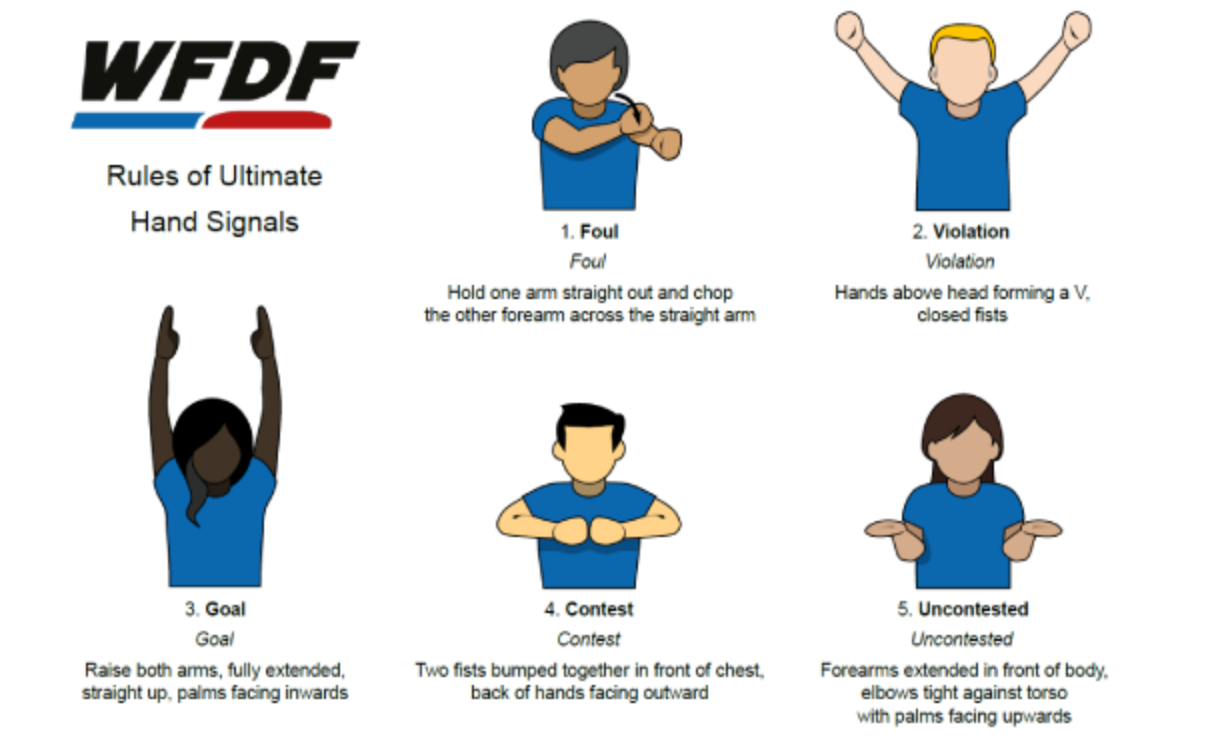
USA Ultimate's 2026-2027 rulebook aligns closer with WFDF standards than previous cycles. These updates aren't just minor tweaks; they change how we handle possession resets and endzone stalling.
The driving forces behind these updates are multifaceted. Player safety is a paramount concern, as is maintaining the core principles of the Spirit of the Game. Competitive balance is also a key consideration, with the aim of creating a more equitable and dynamic playing field for all. The changes reflect a desire to reduce ambiguity and promote fair play.
This update cycle focuses on clarifying existing rules, rather than introducing entirely new concepts. You’ll see adjustments to areas like stall counts, contact, travel calls, and the introduction of a 'fast count' exception. While the fundamental spirit of Ultimate remains unchanged, understanding these nuances will be critical for players and observers alike. The full 2026 rulebook is available on the USA Ultimate website.
It's important to remember that these rules are designed to be self-officiated. This means players share the responsibility of understanding and applying the regulations fairly. This update aims to empower players to do that more effectively.
Stall counts and possession
The stall count is undergoing some of the most talked-about changes for 2026. Previously, a stall count reset with a clear change of possession. Now, the rules specify that a reset occurs when a player gains clear possession with both feet establishing a pivot. This is a subtle but potentially impactful change. It’s meant to clarify what constitutes a legitimate reset.
The new wording is intended to reduce ambiguity around contested catches and quick throws following a catch. The previous rules sometimes allowed for very quick resets that were difficult for defenders to react to. This change aims to give defenders a fairer opportunity to initiate a stall count. The USA Ultimate rules document details this clearly.
What does this mean for defensive positioning? I think we'll see defenders becoming more aggressive in challenging catches, knowing they have a slightly better chance of establishing a stall count if possession isn't cleanly secured. Handlers will need to be more precise with their throws and catches, prioritizing secure possession over quick releases. Expect to see more emphasis on strong hands and reliable catching skills.
Consider this scenario: a handler catches the disc near the endzone, quickly pivots, and attempts a short pass. Under the new rules, if the pivot isn't fully established before the throw, a defender can argue that the stall count should have been initiated. This wasn’t always clear before. Another example would be a contested catch where a defender believes possession wasn't truly gained. This will likely lead to more discussions on the field.
The impact on the pace of play remains to be seen, but it's reasonable to expect a slight slowdown in certain situations. The goal isn’t to grind the game to a halt, but to ensure that resets are genuinely secure and that defenders have a fair chance to defend.
Stricter contact rules
The 2026 rules aim for greater clarity around contact and fouls, a perennial source of debate in Ultimate. The overarching principle remains the same: incidental contact is generally permitted, but intentional or dangerous contact is a foul. However, the specific definitions are being refined.
Bidding fouls are receiving particular attention. The rules now emphasize that a bid must be made with a legitimate attempt to play the disc, not simply to impede an opponent. A defender can’t simply launch themselves into an offensive player’s path without attempting to make a play on the disc. This clarification is intended to reduce reckless bids.
Incidental contact is still allowed, but the rules are more explicit about what constitutes "incidental.’ Contact that significantly alters a player"s movement or prevents them from making a play is not incidental and will be called as a foul. This is a subtle but important distinction. The goal isn't to eliminate all contact, but to penalize contact that unfairly affects the play.
The new language specifically protects players in the air. If a defender moves into a jumper's landing space or initiates contact mid-air without a clear path to the disc, it's a foul. You'll have to rely on better positioning rather than playing through the receiver.
The impact on defensive intensity is a valid concern. Defenders will need to rely more on positioning, timing, and anticipation, rather than relying on physical contact to disrupt plays. This could favor more skilled and athletic defenders.
Travel Calls & Pivoting
Travel calls are notoriously subjective, and the 2026 rules attempt to address this by providing a more precise definition of establishing a pivot foot. Previously, the rules were somewhat vague about when a pivot foot was considered "set." Now, the rules state that a pivot foot is established when a player stops their motion and firmly plants that foot.
The new guidelines emphasize that the pivot foot must be firmly planted before any subsequent movement. A slight shuffle or adjustment of the foot after stopping is permitted, but any significant movement of the pivot foot constitutes a travel. This is a subtle change, but it could have a significant impact on how players move with the disc.
How will this affect players who like to move quickly? They’ll need to be more deliberate about establishing their pivot foot before initiating a throw or cut. Quick, choppy movements will be more likely to be called as travels. This will likely favor players with strong footwork and the ability to maintain balance.
This change could also impact cutting and receiving. Receivers will need to be more careful about establishing a pivot foot before attempting to make a catch. Defenders will be able to challenge cuts more effectively, arguing that the receiver traveled before securing possession. Expect to see more strategic movement and a greater emphasis on precise footwork.
The 'Fast Count' Exception
A completely new addition to the 2026 rules is the 'fast count' exception. This allows the marker to accelerate the stall count to five seconds in specific situations. The goal is to speed up the game in situations where a handler is deliberately stalling or attempting to draw a foul.
The fast count exception applies only when a handler has possession in the endzone and is not making a genuine attempt to complete a pass. If the marker believes the handler is simply stalling to run down the clock, they can call a 'fast count.' This means the stall count jumps directly to five seconds.
The requirements for initiating a fast count are strict. The marker must clearly announce "fast count" before initiating the accelerated stall. The handler must have clear possession in the endzone and not be actively looking to throw. This exception is not intended to be used aggressively, but rather as a tool to prevent deliberate stalling.
I suspect this will be a point of contention initially. Players will need to be very clear about the conditions that trigger the fast count to avoid misunderstandings. It will also require markers to exercise good judgment and avoid calling fast counts unnecessarily. Careful communication will be key.
Fast Count Exception Conditions - 2026-2027 Rules
| Situation | Fast Count Allowed? | Specific Requirements/Notes | Relevant Rule Section (2026-2027) |
|---|---|---|---|
| Endzone Stall Count | Yes | The defender may begin a fast count immediately upon the thrower entering the endzone. | 15.A.3.b |
| Reset Stall Count | Yes | A fast count is permitted when a player initiates a reset throw, provided the defender clearly indicates their intention to count. | 15.A.3.b |
| Thrower Changing Pivot Foot | No | A standard stall count is required when a thrower changes their pivot foot. A fast count is *not* allowed in this situation. | 15.A.3.a |
| Thrower Leaving the Field of Play | No | If the thrower steps out of bounds, a standard stall count must be used. A fast count is not permitted. | 15.A.3.a |
| Disputed Possession | No | During a contested catch or a situation with disputed possession, a standard stall count is always used. | 15.A.3.a |
| Thrower Recovering a Drop | No | If the thrower drops the disc and recovers it, a standard stall count resumes from the point of recovery. | 15.A.3.a |
| Thrower Moving to Avoid Contact | Potentially | If a thrower moves to avoid contact from a defender, a fast count may be permitted at the discretion of the players involved, prioritizing Spirit of the Game. This requires mutual agreement. | 15.A.3.b (Spirit of the Game considerations) |
Illustrative comparison based on the article research brief. Verify current pricing, limits, and product details in the official docs before relying on it.
How confident are you in your understanding of the 2026 WFDF rule changes for Ultimate Frisbee?
The 2026 WFDF regulations bring notable updates to the sport we love. We want to know where our community stands when it comes to understanding these changes. Vote below and share any specific questions or thoughts you have about the new rules in the comments section.

No comments yet. Be the first to share your thoughts!