

The shift in who plays ultimate
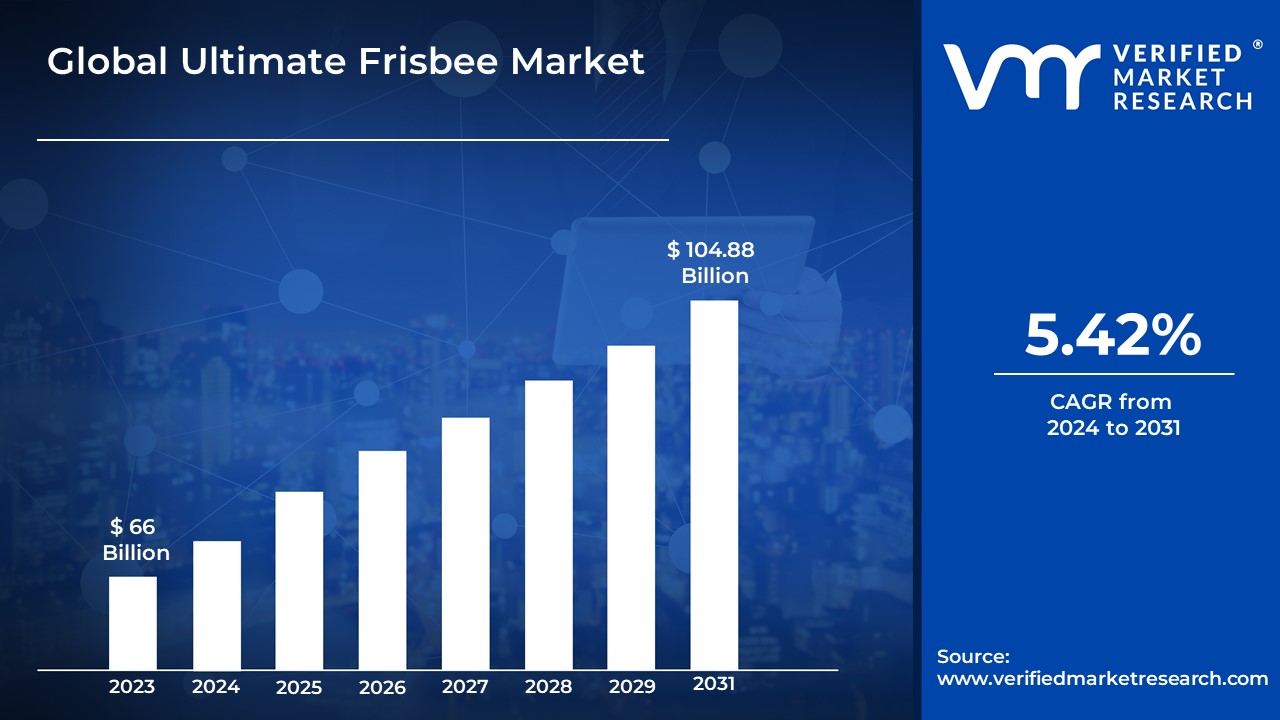
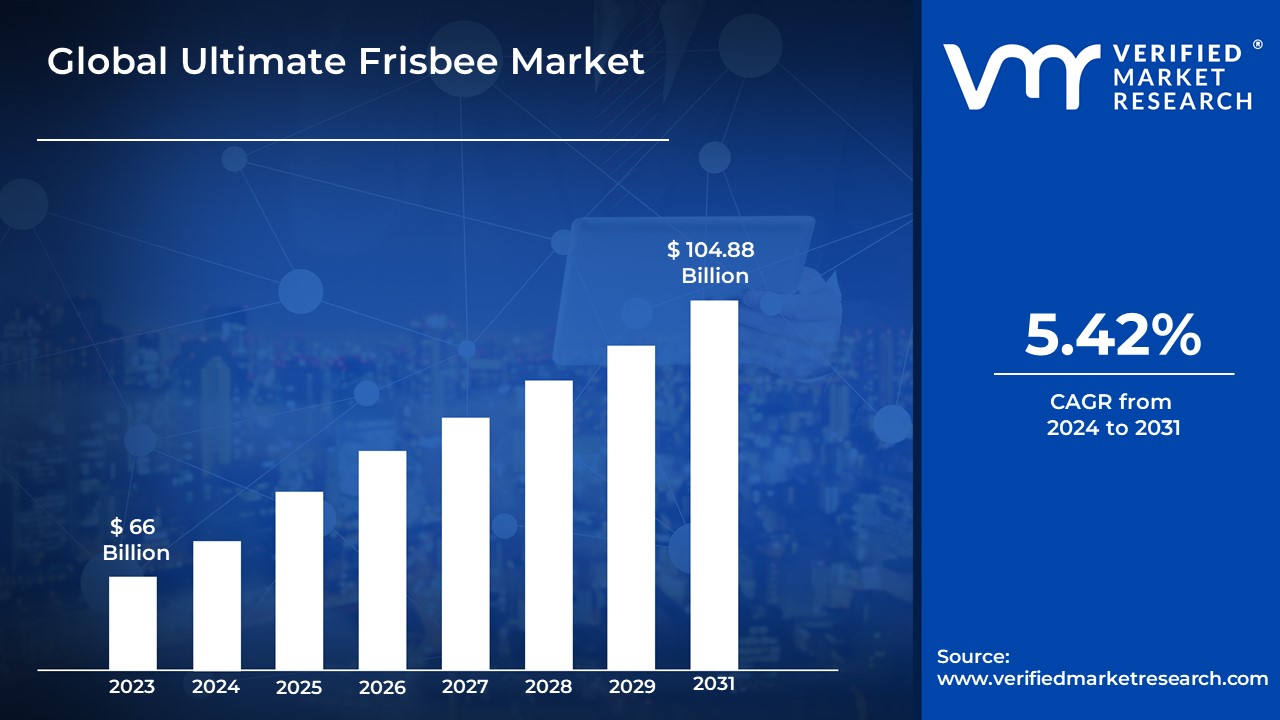
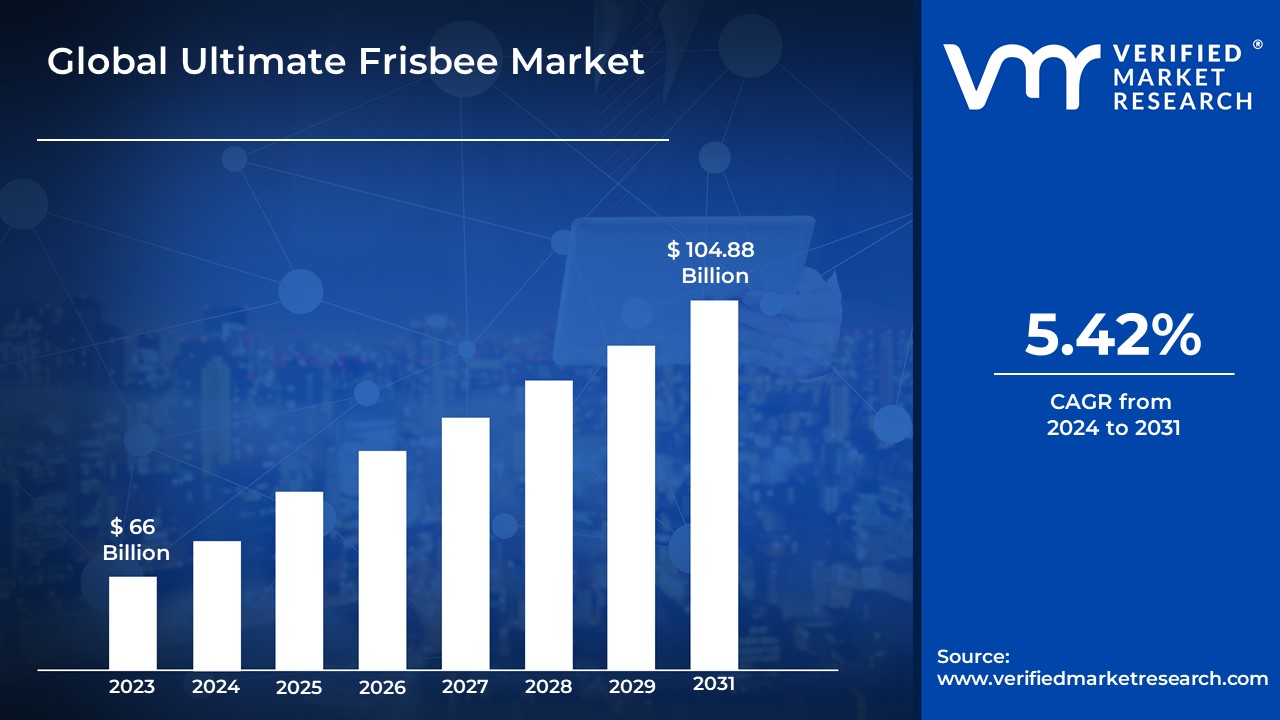
Ultimate is growing in ways we didn't see coming. It isn't just a college game anymore. I'm seeing more adults pick up a disc for the first time, and the sidelines are looking a lot more diverse than they did ten years ago. It's a shift from a niche campus hobby to a legitimate community staple.
For a long time, Ultimate carried a reputation for being a niche sport, requiring a high level of athleticism and strategic understanding. That’s changing. People are drawn to its Spirit of the Game – the emphasis on sportsmanship and self-officiating – and its accessibility. You don’t need expensive equipment or a specialized facility to play. A field and a disc are often enough to get started.
The pandemic had a strange effect. While organized play was disrupted, it also spurred the creation of smaller, more localized groups. People were looking for safe, outdoor activities, and Ultimate provided a compelling option. This led to a boom in pickup games and informal leagues, fostering a sense of community in a time of isolation. Now, we're seeing those groups look to formalize and expand, creating a real need for resources and support for local community building.
USA Ultimate is actively working to broaden the sport’s appeal, with initiatives aimed at youth development and inclusivity. The goal isn’t just to increase participation, but to create a welcoming environment for everyone. The sport’s growth trajectory is promising, but sustaining that momentum requires a deliberate focus on building strong, resilient local communities.
How to run a discover ultimate day
USA Ultimate’s DISCover Ultimate Day, scheduled for September 19, 2026, is a fantastic opportunity to introduce the sport to new players. The core idea is simple: host free, introductory events in local communities. But successful events require careful planning and execution.
USA Ultimate has a kit with rule guides and videos, but the real work is on the ground. You need more volunteers than you think. If you have one person trying to teach thirty beginners how to flick, half of them will get bored and leave. Line up your coaches early.
Marketing the event to non-Ultimate players is crucial. Don’t assume people know what the sport is. Focus on the fun, social aspects of the game. Highlight the accessibility and inclusivity. Use eye-catching visuals and simple language. Partner with local community organizations, schools, and recreation centers to reach a wider audience. Consider offering incentives, like free discs or snacks, to encourage participation. You can find more information and resources on the USA Ultimate website:
Keeping players after the first game
Attracting new players is only half the battle. The real challenge lies in retaining them. Simply offering a "try it’ session isn"t enough; you need to create a pathway for continued engagement. Beginner-friendly leagues are a great starting point. These leagues should prioritize learning and fun over competition, with a focus on skill development and sportsmanship.
Skill clinics and workshops can help new players improve their technique and confidence. Consider offering sessions on throwing, catching, cutting, and defensive principles. Triangle Ultimate in North Carolina does a particularly good job of this, offering a tiered system of leagues and clinics to cater to players of all levels. They emphasize creating a supportive and welcoming environment, which is key to keeping people coming back.
Social events are equally important. Organize post-game gatherings, potlucks, or team-building activities. These events help players connect with each other on a personal level, fostering a sense of community. A strong social network is a powerful motivator for continued participation. Remember that people often join for the game, but they stay for the friends.
Creating a culture of inclusivity is paramount. Ensure that everyone feels welcome, regardless of their skill level, gender, or background. Encourage experienced players to mentor newcomers. Be mindful of language and avoid jargon that might exclude beginners. The goal is to create a space where everyone feels comfortable learning and improving.
- Drop the list entirely.
- Skill clinics and workshops
- Social events
- A culture of inclusivity
The Power of Local Leagues
Local leagues are the backbone of any thriving Ultimate community. The format of your league can significantly impact participation and player satisfaction. Hat leagues, where players are randomly assigned to teams, are a great way to encourage social interaction and level the playing field. Co-ed leagues promote gender equality and provide a more inclusive experience.
Competitive leagues cater to more experienced players, offering a higher level of challenge. It’s important to offer a variety of league formats to accommodate players of all levels and preferences. Scheduling and field availability are often major logistical hurdles. Explore options for securing permits from local parks and recreation departments. Consider using online scheduling tools to streamline the process.
Captains and league organizers play a critical role in fostering a positive and inclusive environment. They should be responsible for enforcing the Spirit of the Game, resolving conflicts, and ensuring that everyone feels respected. Clear communication and transparency are essential. Providing captains with training on leadership and conflict resolution can be beneficial.
I'm not sure which software is best for every budget, but most local groups I know use Ultimate Central or LeagueApps. You need something that handles the money and the schedule in one place so you aren't chasing players for waivers and fees on game day.
League Format Comparison: Building a Thriving Ultimate Community
| Skill Level | Social Focus | Competitiveness | Ease of Organization |
|---|---|---|---|
| Hat League | High | Low to Medium | Medium |
| Co-ed League | Medium to High | Medium | Medium to High |
| Competitive League | High | High | High |
| Beginner-Focused League | High | Low | Medium |
| Mixed Ability League | Medium | Medium | Medium |
| College Recreational League | Medium to High | Medium | Medium to High |
| Club Qualifying League | High | High | High |
Illustrative comparison based on the article research brief. Verify current pricing, limits, and product details in the official docs before relying on it.
Online Spaces: Forums and Groups
Online communities are invaluable for connecting Ultimate players. Facebook groups are a common starting point, but they can sometimes be chaotic and difficult to navigate. Dedicated Ultimate forums – if you can find active ones – offer a more focused and organized space for discussion. These forums can be used to share resources, ask questions, organize pickup games, and connect with other players.
Maintaining a positive online environment is crucial. Moderation is essential to prevent harassment, spam, and negativity. Establish clear rules of conduct and enforce them consistently. Encourage respectful dialogue and constructive feedback. A well-moderated online community can be a powerful tool for building camaraderie and fostering a sense of belonging.
Beyond forums and Facebook groups, consider using other online platforms like Discord or Slack for real-time communication and coordination. These platforms are particularly useful for organizing pickup games and sharing quick updates. The key is to find the platforms that work best for your community and actively engage with your members.
What we can learn from Courtney McCarthy
The YouTube video “Why Ultimate Frisbee is the Key to Community Connection!” () features Courtney McCarthy, Operations Manager and Ultimate Frisbee enthusiast, and offers a compelling perspective on the sport’s social impact. Courtney eloquently describes how Ultimate fosters a sense of belonging and connection, going beyond just physical activity.
She emphasizes that Ultimate isn’t just about throwing a disc; it’s about building relationships and creating a supportive community. It’s about finding a group of people who share your values and who challenge you to be your best self. As Courtney notes, “It’s a really special sport because it’s built on trust and respect.” This is a core tenet of the Spirit of the Game, and it’s what sets Ultimate apart from many other sports.
Courtney’s story highlights the intangible benefits of Ultimate – the friendships, the sense of purpose, the positive impact on mental and physical health. These benefits are often overlooked, but they are essential to creating a thriving community. When people feel connected and supported, they are more likely to stay engaged and contribute to the growth of the sport. Building community isn't a byproduct of playing Ultimate; it is the point.
Funding & Sustainability
Building and maintaining an Ultimate community requires financial resources. Leagues, events, and equipment all cost money. Fundraising is often necessary to cover these expenses. Sponsorships from local businesses can provide a significant source of revenue. Merchandise sales – discs, shirts, hats – can also generate income and promote your community.
Grants are another potential funding source. USA Ultimate may offer grant programs to support local initiatives, though availability can vary. It’s also worth exploring grants from local foundations and government agencies. Financial transparency is crucial. Keep accurate records of all income and expenses. Share this information with your members to build trust and accountability.
Responsible budgeting is essential. Prioritize essential expenses and avoid unnecessary spending. Consider offering tiered membership fees, with discounts for students and low-income players. Explore opportunities for in-kind donations, such as field space or printing services. Long-term sustainability requires a diversified funding model and a commitment to financial responsibility.
IZTECH Ultimate Frisbee Topluluğu’ndan Vortech Ultimate takımı, yeni turnuva öncesi ziyaretime geldi. Yolunuz açık olsun çocuklar, yeni ödüllerle döneceğinize inancım tam, kutlamak için sizi yine bekliyorum.
— Prof. Dr. Yusuf BARAN (@ProfYusufBaran) March 31, 2026
.
The Vortech Ultimate team from the IZTECH Ultimate Frisbee Community… pic.twitter.com/ULZCEQuons
No comments yet. Be the first to share your thoughts!