
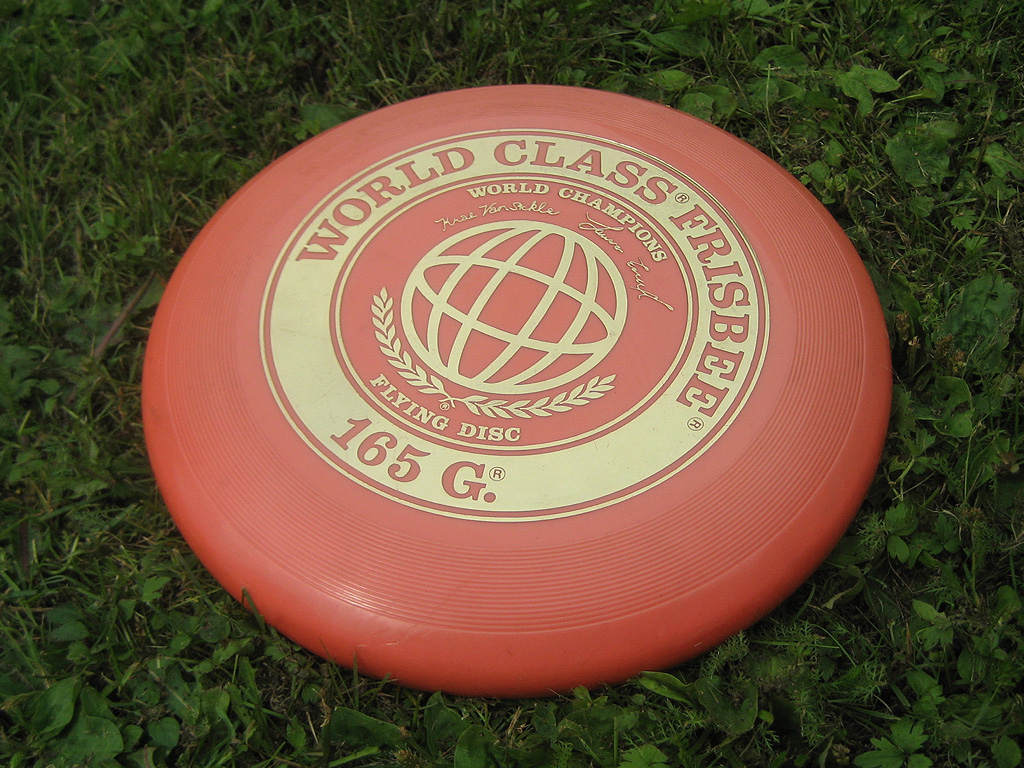

What is ultimate frisbee
Ultimate Frisbee is a non-contact team sport played with a flying disc. Two teams of seven players compete on a rectangular field with end zones at each side. The objective is simple: pass the disc downfield to a teammate who catches it in the opponent’s end zone for a score. Unlike many traditional sports, there are no referees. Players are responsible for enforcing the rules themselves, relying on honesty and mutual respect to keep the game fair.
The sport emphasizes the "Spirit of the Game," a core principle that places sportsmanship above winning. This self-officiated structure means players must communicate openly during disputes, often resolving conflicts through discussion rather than penalties. It creates a respectful, skill-based environment where integrity is as important as athletic ability. Whether played casually in a park or competitively at the world level, this ethos defines the Ultimate Frisbee experience.
The game requires no specialized equipment beyond a disc and open space. Players move the disc by throwing and catching; running with it is not allowed. To advance, a player must pass to a teammate. If the disc hits the ground, goes out of bounds, or is intercepted, possession changes immediately. This continuous flow demands quick decision-making, precise throwing, and agile movement, making it an engaging mix of strategy and physical fitness.
Set up your first game
Organizing a pickup game of Ultimate Frisbee is straightforward, but it requires clear boundaries and a mutual understanding of the rules. Unlike traditional sports, Ultimate is self-officiated, meaning players must agree on the setup and resolve disputes through communication rather than relying on external referees.
Follow this workflow to get your field ready and start play.
Find a rectangular grassy area at least 70 yards long and 40 yards wide. Use backpacks, jackets, or natural markers to define the sidelines and end zones. Each end zone should be 10 to 20 yards deep. If you are playing on a standard football or soccer field, the end zones are already marked, which simplifies the process significantly.
Ultimate is typically played with seven players per side, but for casual pickup games, five-a-side is common and easier to manage. Aim for mixed-gender teams if possible, as most recreational leagues use mixed divisions to ensure balanced competition. Once teams are formed, assign a team name and agree on a captain to handle initial coin tosses and rule clarifications.
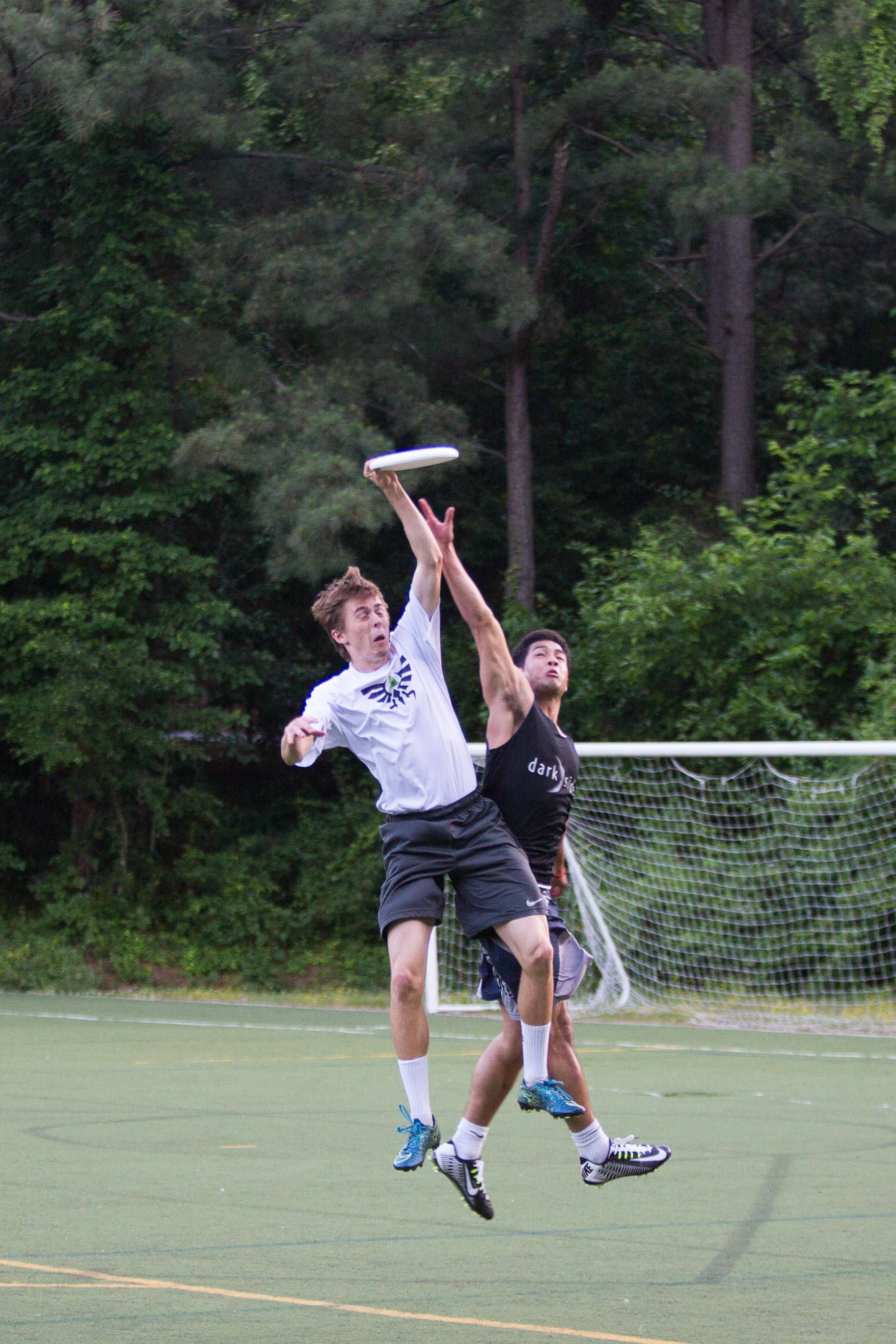
Briefly go over the fundamental rules before the first throw. Players move by running, cutting, and defending; dribbling or running with the disc is a turnover. Points are scored by catching the disc in the opponent’s end zone. Remind everyone that play stops only when the disc is caught, goes out of bounds, or a foul occurs. Self-officiation relies on trust and clear communication.
The game begins with a "pull," which is essentially a kickoff. One team throws the disc to the other to start play. The receiving team then tries to advance the disc down the field by passing it to teammates until they score in the end zone. After a point is scored, the teams switch sides, and the team that scored pulls to the other team to restart play.
The Core Rules of Play
Ultimate Frisbee is a non-contact, self-officiated sport where players rely on sportsmanship and clear communication to keep the game moving. There are no referees; instead, players resolve disputes among themselves using the "spirit of the game." This means honesty and respect are just as important as physical skill. If you foul an opponent or break a rule, you call it on yourself.
Scoring and Field Layout
The field is divided into two end zones, typically 18 yards deep at each end, with a central playing area of 70 yards. Teams of seven compete to score points by catching the disc in the opposing end zone. A catch in the end zone counts as one point. Once a point is scored, the team that scored becomes the defense and moves to the other end of the field to start the next sequence.
Passing and Turnovers
The offense moves the disc down the field by passing it to teammates. You cannot run while holding the disc; you must establish a pivot foot and pass within ten seconds. This timer is enforced by a defender who counts aloud: "one, two, three..." up to "ten." If the thrower hasn't released the disc by the count of ten, it is a "stall" turnover, and possession immediately switches to the other team.
A turnover also occurs if the disc hits the ground, is intercepted, or goes out of bounds. When a turnover happens, the new offensive team takes possession at the spot where the disc became dead. This rapid transition from defense to offense is what makes the game fast-paced and continuous.
Fouls and Travel
Because there is no contact allowed, any physical interference is a foul. If a defender impedes your path or catches you while you are jumping for a mark, you call a foul. Play stops, and the disc is returned to the thrower, or possession may switch depending on the severity. Similarly, if a thrower moves their pivot foot or takes steps without passing, it is a "travel." The defender calls this, and the disc is returned to the thrower without a turnover.
Choose the right disc
Selecting the correct disc is the first step to enjoying Ultimate Frisbee. While a standard plastic disc works for casual backyard throws, official play requires specific equipment designed for speed, stability, and grip. The sport has seen a shift toward hybrid technology, which blends traditional durability with advanced flight characteristics.
Understanding the difference between standard and hybrid discs helps you pick gear that matches your skill level. Standard discs are durable and affordable, making them ideal for beginners learning basic throws. Hybrid discs offer enhanced stability and distance, appealing to players who want to refine their technique or compete in organized leagues.
| Disc Type | Flight Stability | Durability | Best For |
|---|---|---|---|
| Standard Plastic | Moderate | High | Beginners |
| Hybrid | High | Medium | Advanced Players |
Master basic throws
Learning to throw is the foundation of Ultimate Frisbee. You only need to master two throws to start playing: the backhand and the forehand. Think of these as your primary tools. The backhand is your go-to for distance and accuracy, while the forehand (or flick) is essential for navigating defenders in tight spaces.
The backhand throw
The backhand is the most natural throw for most people. Start by holding the disc with your throwing hand on top, fingers spread across the rim, and your thumb anchored on the inner rim for stability. Step forward with your non-throwing foot, pivot on your back foot, and swing your arm across your body. Release the disc with a snap of your wrist, aiming for a flat, stable flight path.
Common mistake: Many beginners toss the disc like a baseball, using only their arm. This results in wobbly, short throws. Focus on rotating your hips and shoulders through the throw to generate power from your core, not just your arm.
The forehand (flick) throw
The forehand is crucial for breaking out of double teams or throwing across the field quickly. Hold the disc with your fingers on top, similar to a backhand, but your thumb should be underneath the rim. Stand sideways to your target, pivot your hips, and snap your wrist outward. The disc should release flat and fast, cutting through the air with minimal wobble.
Common mistake: Gripping the disc too tightly or releasing it with a high angle ("anhyzer"). Keep your grip loose until the moment of release, and aim to keep the disc flat or slightly tilted inward ("hyzer") for a stable flight.
WFDF 2026 Rule Updates
The World Flying Disc Federation (WFDF) releases periodic updates to keep the sport fair and consistent. For 2026, the new rulebook focuses on clarifying non-contact enforcement and standardizing equipment checks. These changes aim to reduce stoppages and keep the game flowing smoothly for beginners and veterans alike.
Non-Contact Enforcement
The 2026 rules tighten the definition of contact during cuts and pivots. Players are now explicitly responsible for avoiding contact with defenders, even if the defender is moving into their space. This shift places more onus on the offensive player to adjust their path, reducing collisions that previously led to ambiguous calls.
Equipment Standards
Disc specifications have been updated to ensure consistency across all levels of play. The 2026 rules mandate stricter tolerances for disc weight and flight characteristics. Players must ensure their discs meet these standards before matches, particularly in tournament settings where equipment checks are more rigorous.
Self-Refereing Clarity
While Ultimate remains a self-officiated sport, the 2026 updates provide clearer language for resolving disputes. The new guidelines emphasize communication and mutual respect, encouraging players to discuss calls calmly. This helps maintain the spirit of the game while ensuring fair play.
Updated for 2026Frequently asked: what to check next
Start playing today
Ultimate is a non-contact team sport that is simple to learn and easy to afford. You don't need expensive gear or a formal league to get started. All you need is a disc and a group of friends.
Here is your checklist for your first game:
-
Find a flat, open field with good visibility
-
Grab a standard 175g ultimate disc
-
Gather 5-10 friends for a casual pickup game
-
Wear cleats or turf shoes for better traction
-
Bring water and agree on a basic spirit of the game
No comments yet. Be the first to share your thoughts!