

How the game flows
Ultimate is a game of keep-away played on a field similar to a football pitch. You score by catching the disc in the opponent's endzone. You can't run while holding the plastic; you have to plant a foot and find an open teammate. It feels like a mix of basketball's pivoting and soccer's constant movement.
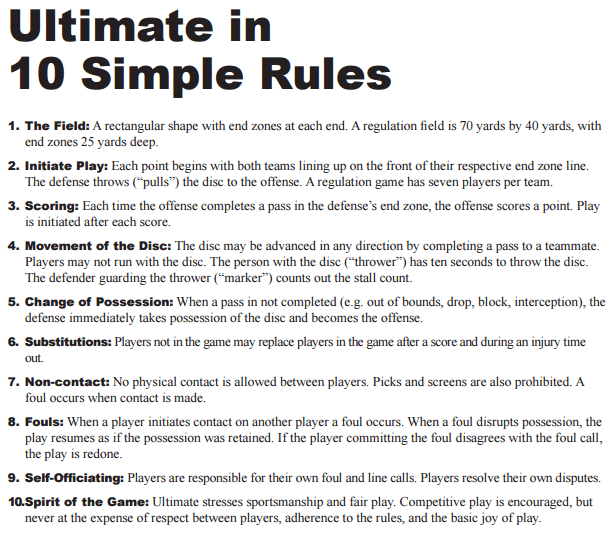
A typical point begins with one team "pulling" the disc to the other team. The receiving team then attempts to move the disc down the field by completing passes. Players defend by attempting to intercept passes or force turnovers. Once a player catches the disc in the endzone, a point is scored. Play then restarts with a pull from the scoring team. It's a continuous flow, with limited stoppages.
From the very first throw, you’ll notice the emphasis on positioning and communication. Players need to be aware of their teammates, the defenders, and the open spaces on the field. This awareness is what separates good players from great ones. But beyond the strategic elements, Ultimate is defined by its 'Spirit of the Game.'
Spirit of the Game is a core principle of Ultimate Frisbee. It places the responsibility for fair play on the players themselves. This means resolving disputes honestly and respectfully, even if it means calling a foul on yourself. It’s not just about winning; it’s about how you win – or how you lose. Many players find this aspect of Ultimate to be its most rewarding.
The field and basic terms
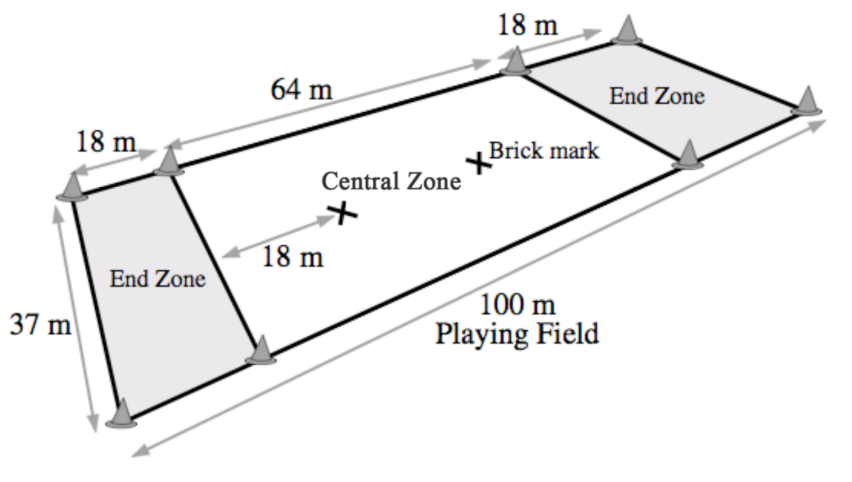
The Ultimate Frisbee field is rectangular, measuring 70 yards long and 40 yards wide, with a 25-yard endzone at each end. These dimensions can vary slightly, particularly for youth or indoor play, but this is the standard. The endzones are where points are scored; a player must have both feet completely within the endzone while possessing the disc to register a point. The field is divided into sections, but these are largely conceptual for strategic positioning.
Let’s define some essential terms. A 'pull' is the initial throw to start a point. The 'mark' is the defender directly guarding the thrower. The 'stall count' is the defender verbally counting to ten, forcing the thrower to release the disc. A 'turnover' happens when the disc is dropped, intercepted, goes out of bounds, or a violation is committed. A 'layout' is a diving catch to secure the disc.
You’ll also hear terms like 'pick' – when an offensive player intentionally obstructs a defender – and 'travel' which is illegal movement of the disc-holder. Understanding these terms is vital. A 'pick' is illegal, while a 'travel' occurs when a player moves their pivot foot after establishing it. Knowing what these terms mean will help you understand the flow of the game and communicate effectively with your teammates.
These terms aren't just vocabulary; they represent fundamental aspects of the game. For example, the stall count creates pressure on the thrower, forcing quick decisions. A well-executed layout can be a game-changing play. The more comfortable you are with these terms, the faster you’ll grasp the strategy and nuances of Ultimate.
Moving the disc on offense
The most fundamental rule of offensive play in Ultimate is that you cannot run with the disc. Once you catch it, you must establish a 'pivot foot'. This is the foot that remains planted on the ground while you throw. You can move your other foot freely to change your throwing angle, but lifting the pivot foot results in a 'travel' violation. Mastering this can be tricky for beginners; it’s a common source of turnovers.
The 'stall count' is a key element of the offense. A defender, the 'mark,' counts to ten while guarding the thrower. The thrower must release the disc before the count reaches ten. If the count reaches ten before the disc is thrown, it’s a turnover. Defenders often use this to pressure the thrower into making a hasty or inaccurate pass. A good thrower will be aware of the stall count and time their throws accordingly.
A completed pass occurs when a teammate catches the disc while remaining inbounds. If a pass is dropped, goes out of bounds, or is intercepted by the defense, it’s a turnover. The opposing team then gains possession. Understanding these scenarios is crucial for both offensive and defensive strategy. Players need to be aware of their surroundings and make smart decisions when throwing and receiving.
Many new players struggle with the pivot foot rule, often instinctively taking a step while trying to throw. Practicing throwing while maintaining a stationary pivot foot is essential. Also, be mindful of the stall count – it’s easy to lose track of time when under pressure. A good offensive strategy involves quick, accurate passes and constant movement to create open throwing lanes.
- Plant a pivot foot immediately after catching.
- Keep the pivot foot planted while throwing.
- Be aware of the stall count and throw before it reaches ten.
- Make accurate passes to teammates.
Defensive Rules: Guarding & Interference
Defense in Ultimate Frisbee is about preventing completions, not physical contact. The primary defensive tactic is 'marking' – guarding the thrower. A good mark stays close to the thrower, attempts to disrupt their throwing motion, and initiates the stall count. However, contact is generally prohibited. A defender cannot make contact with the thrower’s body or arms.
Interference is a complex area of defensive play. It’s illegal to intentionally obstruct a player who isn’t directly involved in the play. A legal 'contest' for the disc involves jumping for the disc and attempting to intercept it, but initiating contact during the jump is a foul. It's a fine line, and often requires judgment calls from the players.
The 'bid' – a jump for the disc – is a common defensive maneuver. However, players must be careful not to initiate contact with an opponent during the bid. Incidental contact sometimes happens, but intentional or dangerous contact is a foul. Defenders need to be aware of their positioning and avoid reckless plays. If a defender initiates contact that affects the play, it’s a foul.
"Picks" occur when an offensive player intentionally blocks a defender, preventing them from guarding the thrower. Picks are illegal and result in a turnover. Understanding the rules around picks is important for both offensive and defensive players. Defensive players need to be aware of potential pick situations and communicate with their teammates.
- Keep your hands to yourself; no physical contact is allowed.
- Legal contests for the disc must be clean.
- Intentional obstruction (picks) are illegal.
- Be aware of the rules surrounding bids and contact.
Resolving fouls and violations
Ultimate Frisbee is a self-officiated sport, meaning players are responsible for making their own calls. When a foul or violation occurs, the player who committed the infraction is expected to acknowledge it. If a player disputes a call, they can "contest" it. This initiates a discussion between the players involved to try and reach a resolution. The goal is to resolve disputes fairly and respectfully.
There’s a key distinction between a foul and a violation. A foul involves contact – for example, initiating contact during a bid or impeding a player’s movement. A violation is a rule infraction that doesn’t involve contact, such as traveling or stalling out. Fouls generally result in the disc being returned to the thrower, while violations result in a turnover.
If a call is "unresolved’ – meaning the players can"t agree on what happened – the disc typically goes back to the thrower. However, maintaining good Spirit of the Game is paramount. Players should strive to resolve disputes amicably, even if it means conceding a point. The focus should be on fair play and respect for opponents, not just winning at all costs.
Remember, honesty and integrity are essential in self-officiating. Calling your own fouls, even when no one else sees them, demonstrates good Spirit of the Game. It builds trust and respect among players. This commitment to fairness is what makes Ultimate Frisbee unique and enjoyable.
Special Situations & Uncommon Rules
Sometimes, the disc lands out of bounds. In this case, the disc is awarded to the team that didn’t touch it last before it went out. Play resumes with a throw-in from that spot. Windy conditions can significantly affect the flight of the disc. Players need to adjust their throws accordingly, accounting for the wind’s direction and strength. It often requires more spin and a lower trajectory.
If a defender counts too fast, the thrower calls 'fast count.' The marker must then drop the count by two seconds and keep going. If it happens again, the thrower can stop play to reset the count. Check the 2024-2025 USA Ultimate rules for the exact stall reset numbers if you're playing in a sanctioned tournament.
Obstructions can also occur when players inadvertently block each other’s movement. Players should make an effort to avoid obstructing opponents, but incidental contact is sometimes unavoidable. If a player is injured on the field, play is immediately stopped, and medical attention is provided. The safety of the players is always the priority.
These less frequent scenarios don’t come up in every game, but knowing the rules will make you a more prepared player. Being aware of how to handle out-of-bounds situations, windy conditions, and fast counts can give you a competitive edge. It’s also important to be mindful of player safety and know how to respond in case of an injury.
Decision Matrix: Common Situations & Resolutions
| Situation | Ruling | Best Practice | Relevant Rule (USA Ultimate) |
|---|---|---|---|
| Disc lands on an obstacle (e.g., tree, fence) | Play continues as if the obstacle wasn't there. If the disc is unplayable, it is a stall count reset and the thrower may throw again from the original spot. | Attempt to avoid throwing near obstacles. If contact occurs, discuss with all involved players to determine a fair resolution. | 17.4.1 |
| Player is injured during play | Play stops immediately. Medical attention is provided. Play resumes with a check after the injury is addressed. | Prioritize player safety. Ensure someone is designated to provide first aid or call for medical assistance. Communicate clearly with all players. | 9.5 |
| Contested catch near the sideline | The receiver must demonstrate clear possession. If possession is contested, the disc goes back to the thrower. | Players should strive for clear catches and avoid ambiguity. If a catch is unclear, err on the side of giving the thrower possession. | 15.1.3 |
| Disc is touched by a non-player (e.g., spectator) | Play stops. The disc is returned to the thrower, who restarts play from the spot of the interference. | Spectators should maintain a safe distance from the field. Players should alert the thrower to the interference. | 17.3.2 |
| Stall count disagreement | The marker's count is final. Players should be aware of the count and resolve disputes respectfully. | Markers should count clearly and consistently. Throwers should be aware of the stall count and throw before it reaches ten. | 15.2.2 |
| A player travels with the disc | Turnover. Possession changes to the opposing team at the spot of the infraction. | Pivot foot must remain established until the disc is released. Focus on maintaining a stable pivot. | 15.1.1 |
Illustrative comparison based on the article research brief. Verify current pricing, limits, and product details in the official docs before relying on it.
What does Spirit of the Game mean to you?
Vote below, then share your own perspective in the comments if none of these fully match your view.

No comments yet. Be the first to share your thoughts!