

Get frisbee right
Before you adjust your strategy for the 2026 WFDF guidelines, you need a solid handle on the basics. Ultimate Frisbee is a non-contact, self-officiated sport where the goal is simple: score by catching the disc in the end zone. But the mechanics of moving the disc are where most errors happen.
The core principle is straightforward. Run until you catch the disc, then stop as fast as you can. Do not touch other players. Your pivot foot stays planted while you look for a throw. This "stop-and-throw" rhythm is the foundation of every play. If you lose your pivot or take unauthorized steps, it is a turnover.
The golden rule of the game is the Spirit of the Game. Since there are no referees, players must call their own fouls and resolve disputes fairly. Treat others how you expect to be treated. This self-officiation model relies on honesty and respect, making clear communication between teammates essential before the game even starts.
-
Verify disc type and inflation
-
Confirm field dimensions and end zones
-
Review 2026 WFDF specific rule changes
-
Discuss Spirit of the Game expectations with team
Work through the steps
Adapting to the 2026 WFDF guidelines requires shifting from passive compliance to active application. The core changes center on marker movement, stall count clarity, and non-contact enforcement. Follow this sequence to update your team’s playbook.
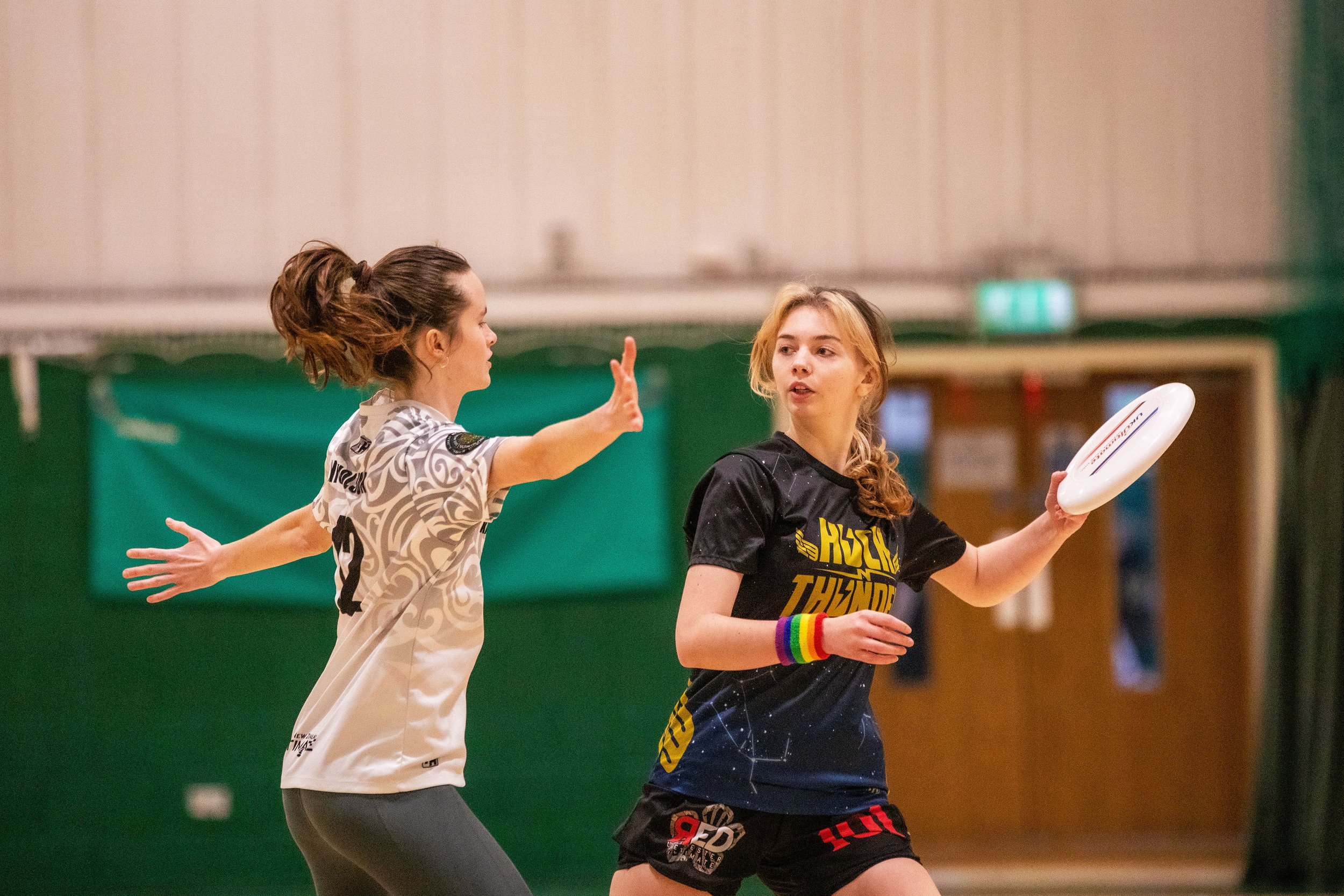
WFDF has tightened the definition of when a stall begins and ends. Ensure your handlers know that the stall count pauses only when the marker stops counting for at least one second. If the count is not audibly clear, the defense can challenge. Train your handlers to call "stall" clearly and consistently to avoid turnovers on technicalities.
New interpretations restrict lateral movement near the marker. Players must maintain a stable pivot foot until the disc is released. Excessive shuffling or sliding to create throwing lanes is now a foul. Drill your markers to stay planted; if you need space, step back legally before moving forward again.

WFDF is stricter on incidental contact. Even light bumps that affect a receiver’s path are now often called as fouls. Adjust your cutting routes to avoid crowded spaces. If contact occurs, stop play immediately and reset. Playing through contact risks a foul call that hurts your team more than a brief pause.
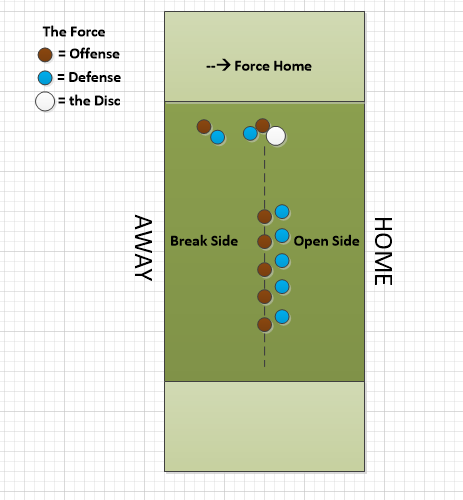
Discs landing out of bounds are now handled differently depending on the last touch. If a defender deflects the disc out, it remains live for the offense to recover. If the thrower releases it out, it is a turnover. Clarify these scenarios in pre-game talks so players react instantly rather than arguing.
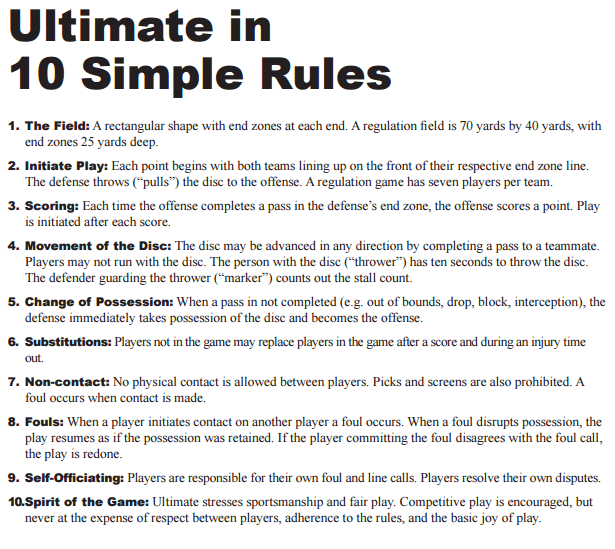
Spirit of the Game remains central. Use these new rules as a framework for fair play, not a weapon. Run scrimmage scenarios where players must call their own fouls and stalls. Debrief afterward to ensure everyone agrees on the interpretation. Consistency in self-officiation prevents game-ending disputes.
Use this checklist to confirm your team’s readiness before the next match.
-
All players can recite the new stall count pause rule.
-
Markers demonstrate stable pivot footwork in drills.
-
Receivers practice avoiding contact in crowded zones.
-
Team agrees on sideline recovery procedures for deflections.
-
Pre-game talk covers Spirit of the Game expectations.
Fix common mistakes
Frisbee Rule Updates troubleshooting should start with a clear boundary: what is actually broken, and what still works normally. Check the display, network connection, paired devices, app access, and recent updates before assuming the whole system needs a reset. A small connection failure can make the main screen feel unreliable even when the core system is fine. Work from low-risk checks to deeper resets. Confirm power state, safe parking, account access, and signal first. Then restart the interface, wait for it to reload completely, and test the original symptom. Avoid changing multiple settings at once because that makes it harder to know which step actually fixed the problem. If the issue affects safety information, repeats after every restart, or appears with warning messages, treat the reset as a temporary diagnostic step rather than the final fix. Document the symptom and move to official support instead of stacking more DIY attempts.
The simplest way to use this section is to keep the setup small, verify each change, and record the stable configuration before adding optional accessories.
No comments yet. Be the first to share your thoughts!