
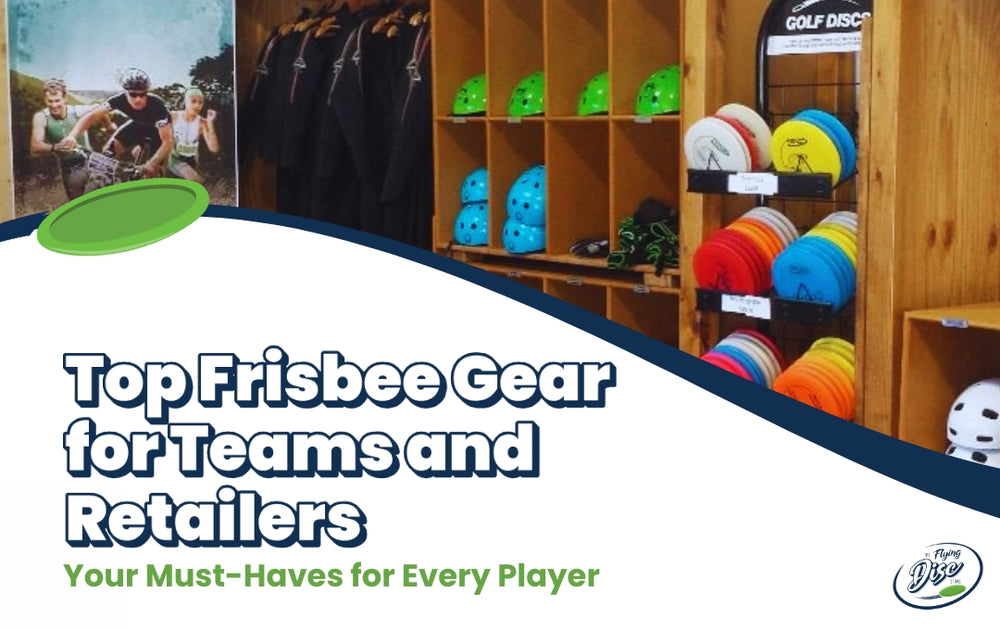

Choosing the right ultimate disc
Finding the right Frisbee equipment starts with understanding how weight and plastic affect your game. A disc is not just a flying object; it is an extension of your throw. Choosing the wrong combination can lead to erratic flight, poor grip, or a disc that wears out after a single tournament.
The standard regulation weight for ultimate frisbee is 175 grams. This weight offers the best balance of stability and distance for most players. Lighter discs (165-170g) are easier to throw for those with less arm strength or smaller hands, while heavier discs (176-180g) cut through wind better and hold their shape longer over time.
Plastic type determines how the disc feels and lasts. Innova’s Star plastic is the industry standard for competitive play. It is durable, stiff, and holds its edge well, making it ideal for tournament use. For practice or beginners, Aviar plastic is softer and more grippy, helping new players learn control without the frustration of slippery edges.
Below is a comparison of top-rated discs to help you select the right Frisbee equipment for your skill level and playing style.
| Disc | Weight | Plastic | Best Use |
|---|---|---|---|
| Innova Champion Aviar | 175g | Star | All-around control, beginners |
| Innova Destroyer | 175g | Star | Power throws, wind play |
| Discraft Ultra-Star | 175g | Pro/Champion | Tournament standard, durability |
| Innova Teebird | 175g | Star | Forehand control, accuracy |
Choose cleats for your field conditions
Footwear is the foundation of your Frisbee equipment, directly impacting your ability to cut, accelerate, and stop without injury. The right pair depends entirely on the surface you play on. Using the wrong traction pattern on wet grass or artificial turf leads to sluggish movement or, worse, knee injuries from slipping or getting stuck.
Natural grass fields
For natural grass, especially when wet or muddy, you need cleats that penetrate the soil. Metal cleats offer the best grip in deep mud, but molded plastic cleats are the standard for most recreational and competitive leagues. Look for a configuration with a forefoot stud pattern to aid in quick lateral cuts. Brands like Adidas and Nike dominate this space with models designed specifically for turf sports, offering lightweight support that doesn't weigh you down during long games.
Artificial turf and hard ground
Artificial turf requires a different approach. Long metal spikes can catch on the rubber infill, causing ankle rolls. Instead, opt for turf shoes with numerous short, rubberized nubs or "AG" (Artificial Grass) plates. These provide consistent traction without the deep penetration that leads to instability on hard, synthetic surfaces. If you play on older turf or dry, hard-packed dirt, ensure your soles have enough flexibility to conform to the uneven ground.
Position-specific needs
Your position on the field also dictates your shoe choice. Cutters and handlers need maximum agility and low-profile shoes to facilitate rapid direction changes. Linemen or defenders who rely on physicality and standing ground might prefer boots with higher ankle support and a stiffer sole for stability during blocks. Always prioritize a secure fit; a loose shoe increases the risk of blisters and ankle sprains, regardless of the traction pattern.
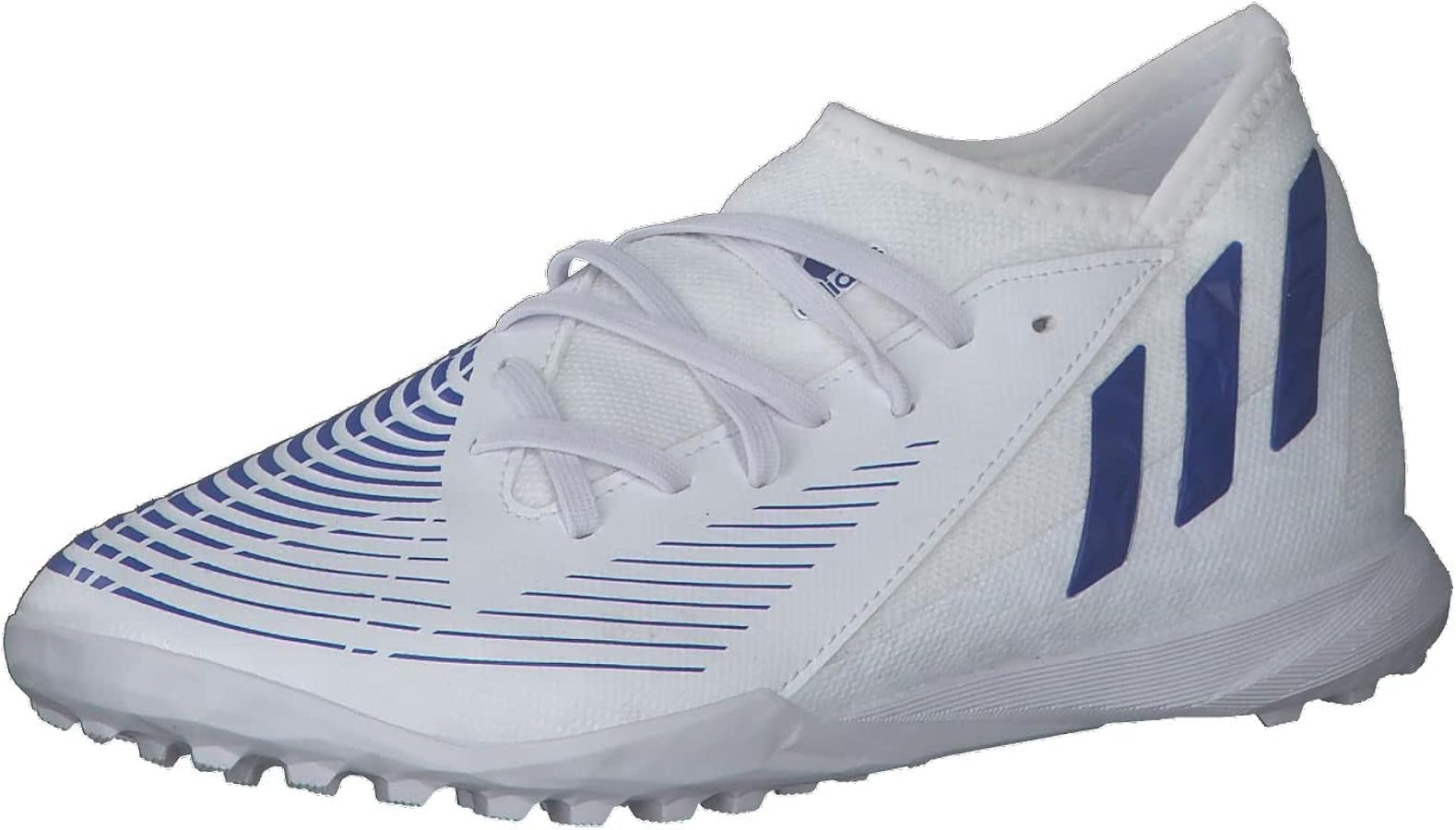
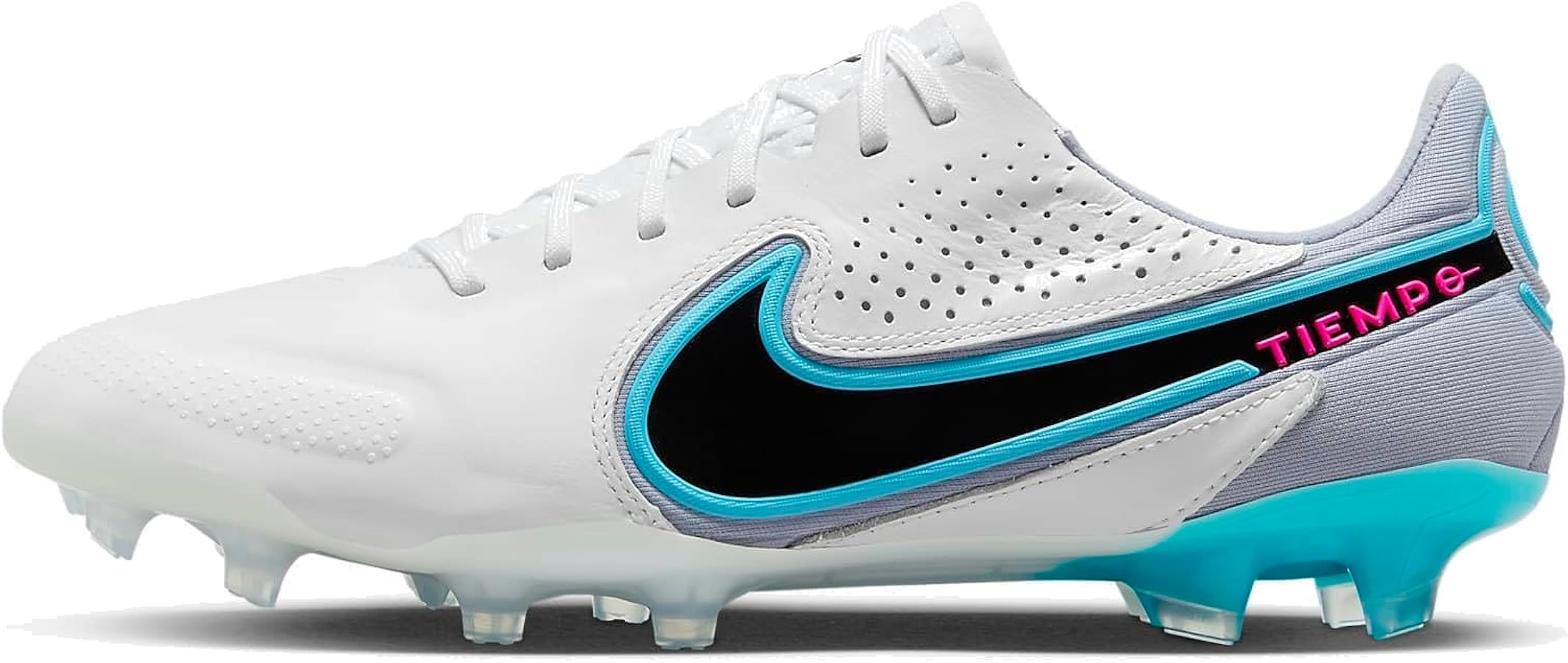
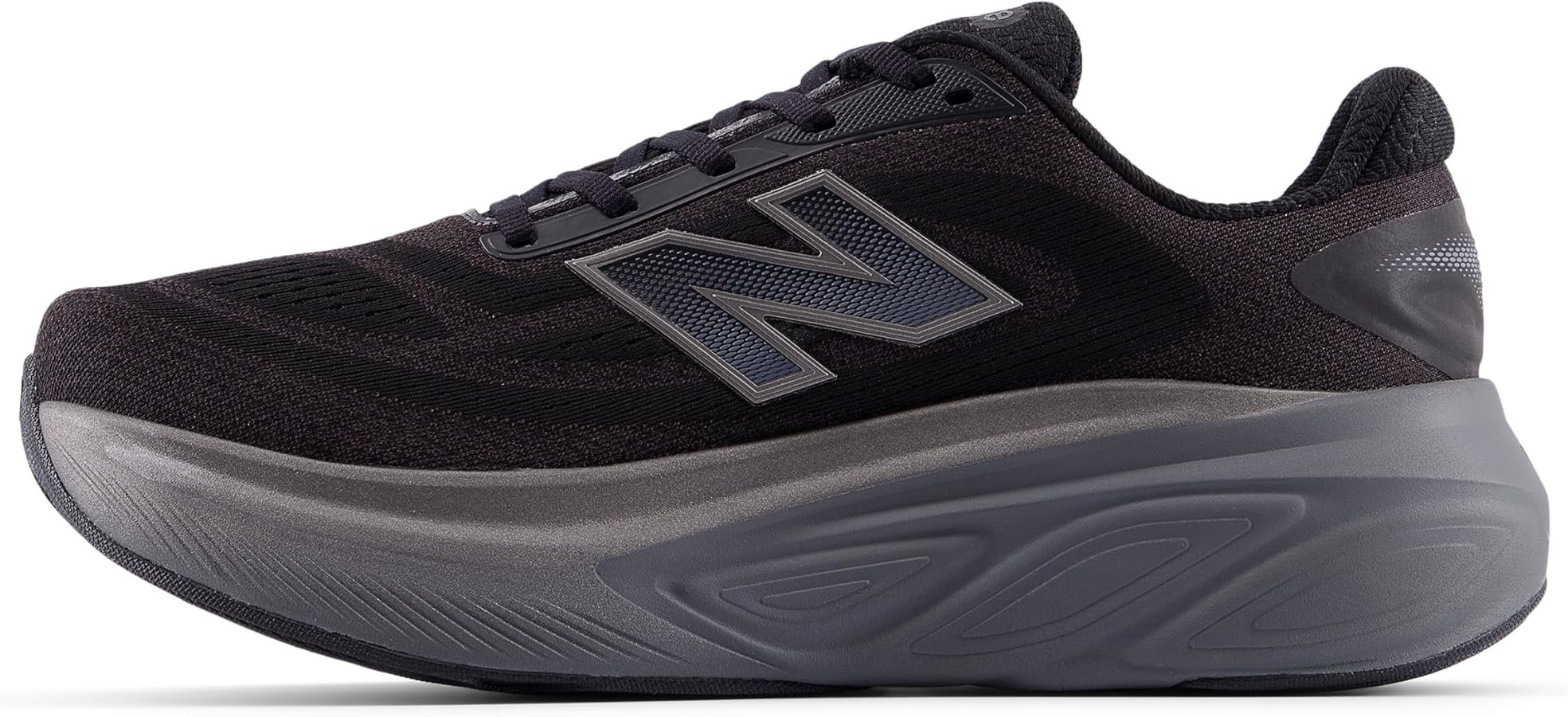
As an Amazon Associate, we may earn from qualifying purchases.
Gloves and hand protection
Grip gloves are a staple in modern Frisbee equipment, designed to solve the most common problem in Ultimate: the slippery disc. When hands are sweaty, rainy, or cold, catching a spinning disc becomes a gamble. Gloves with silicone palms or textured grips provide the friction needed to secure catches in traffic and maintain control during sharp releases.
While not every player wears them, serious competitors often rely on them for consistency. The best options balance grip with breathability, ensuring hands don’t overheat during intense matches. Below are two widely recommended models that prioritize hand security without sacrificing feel.

As an Amazon Associate, we may earn from qualifying purchases.
These gloves are engineered specifically for the demands of Ultimate. The Hyperflite model is known for its durable silicone patches that hold up to repeated dives, while Discraft’s version offers a lighter feel for players who prefer minimal bulk. Both help keep the disc in your hands when it matters most.
Frisbee equipment: bags and hydration
Transporting multiple discs and staying hydrated on hot fields requires gear that balances durability with ease of use. Most Ultimate players rely on a dedicated bucket or a reinforced backpack to carry their Frisbee equipment, cleats, and water. A standard 24-ounce plastic bucket is the most common choice because it protects discs from impact and fits easily into car trunks or team gear piles. For players who prefer hands-free mobility, backpacks with padded straps and separate compartments for wet clothes offer a practical alternative.
When selecting a container, look for reinforced handles and thick plastic walls. Cheap buckets often crack after a single tournament, forcing you to replace them mid-season. If you choose a backpack, ensure it has a rigid bottom or a dedicated disc sleeve to prevent the discs from bending under the weight of shoes and water bottles. A simple, sturdy bucket is often the most reliable option for regular team practices and weekend tournaments.
Hydration is non-negotiable during high-intensity play. A 32-ounce reusable water bottle is the standard size for a single game, but many players bring two to ensure they stay hydrated throughout a full day of matches. Look for bottles with wide mouths for easy ice packing and secure lids to prevent spills in your bag. Electrolyte packets are also worth keeping in your Frisbee equipment kit to replenish salts lost through sweat, especially in humid conditions.
For those who play frequently, investing in a larger 64-ounce jug for the sidelines or a hydration bladder for your backpack can make a significant difference in performance. The goal is to have your gear organized so you can grab your bucket and water and head straight to the field without wasting time sorting through loose items.
Essential accessories for beginners
You don’t need a gear bag to start playing ultimate. The only non-negotiable items are a regulation disc and something to mark the end zones. For most pickup games, eight cones are enough to define the field boundaries. If you don’t have cones, use backpacks, jackets, or water bottles to mark the goals.
Apparel is simple: wear a light-colored shirt and a dark-colored shirt so teammates can be distinguished easily. This is a universal rule in ultimate to prevent confusion during fast breaks. Bring water; the game is continuous and high-intensity. Most players wear cleats for traction on grass, but running shoes are fine for casual turf games.
-
Regulation 175g disc
-
8 cones (or substitutes)
-
Light and dark shirts
-
Water bottle
-
Cleats or running shoes
No comments yet. Be the first to share your thoughts!