
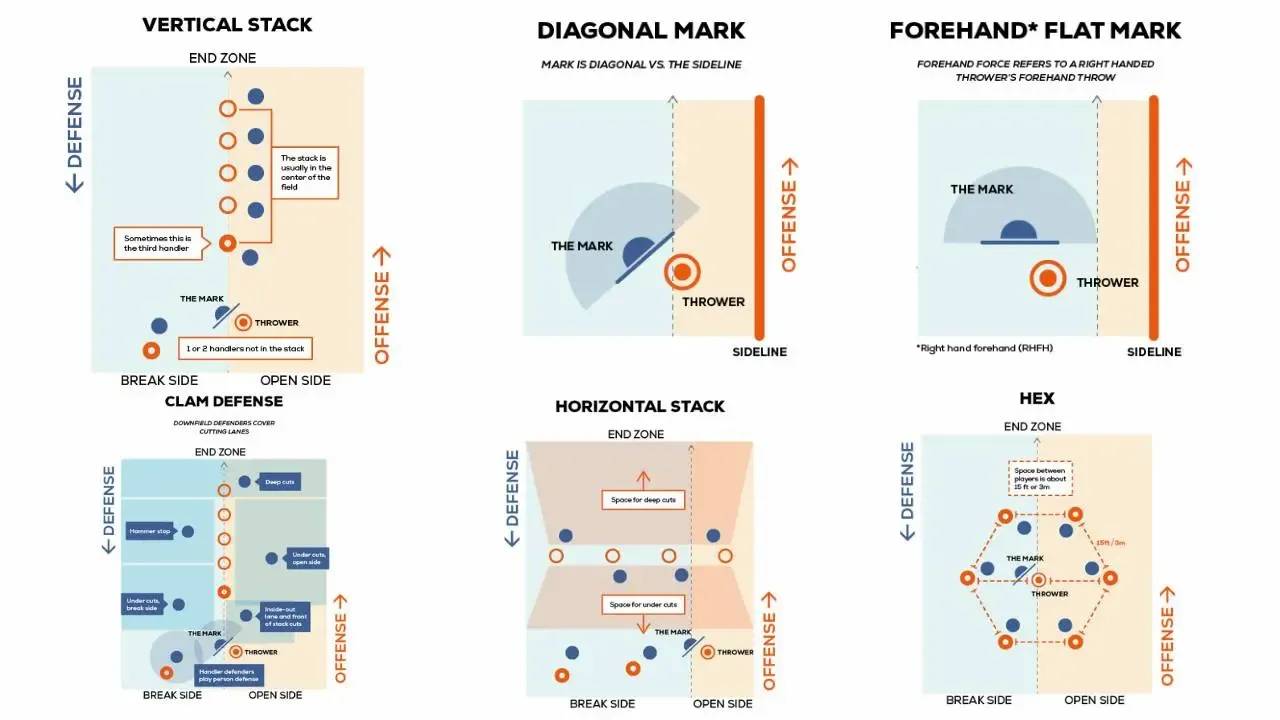

The basics of ultimate frisbee
Ultimate is a self-officiated sport played on a rectangular field with end zones at each end. A regulation field measures 70 yards long by 40 yards wide, with end zones that are 20 yards deep. The core objective is simple: advance the disc down the field by passing it to teammates until you catch a pass in the opposing end zone. Unlike many sports, there are no referees to call fouls or violations. Players stop play to resolve disputes themselves, relying on mutual respect and clear communication.
The 2026 rulebook updates refine how these foundational concepts are applied, particularly regarding player movement and disc handling. Understanding the basic flow of the game helps you anticipate where the disc will go and how to position yourself effectively. We will break down the specific rule changes and how they impact your strategy in the following sections.
Move the disc correctly
Possession in ultimate starts with a single, clear rule: you cannot run with the disc. Once you catch the frisbee, your movement options narrow instantly. You must plant a pivot foot and keep it stationary while you scan for an open teammate. This pivot acts as your anchor, allowing you to shift your weight and turn your body to throw in any direction without traveling.
The clock starts ticking the moment you gain control. You have exactly ten seconds to release the pass. The referee marks this with a loud "stall count," starting from "one" and counting up. If the count reaches "ten" and the disc is still in your hands, it is a turnover. This rule forces quick decision-making and prevents players from holding onto the disc to stall out the game clock.
To execute this sequence smoothly, treat the catch, pivot, and throw as one fluid motion. Land, plant your pivot foot, and look up immediately. Do not take extra steps to find a teammate; use your torso rotation and arm speed to generate power. If you are pressured, use a quick, short pass rather than trying to force a long throw under the stall count.
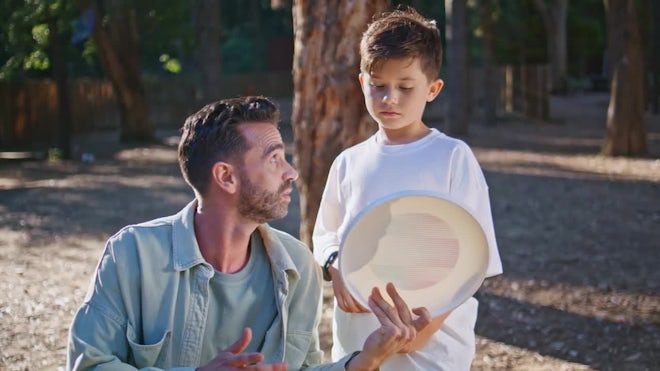
Secure the catch with both hands. As soon as you have control, identify your pivot foot. Plant it firmly on the ground. This foot cannot slide or lift off the turf until you release the disc. Your other foot is free to move for balance or to fake out defenders.
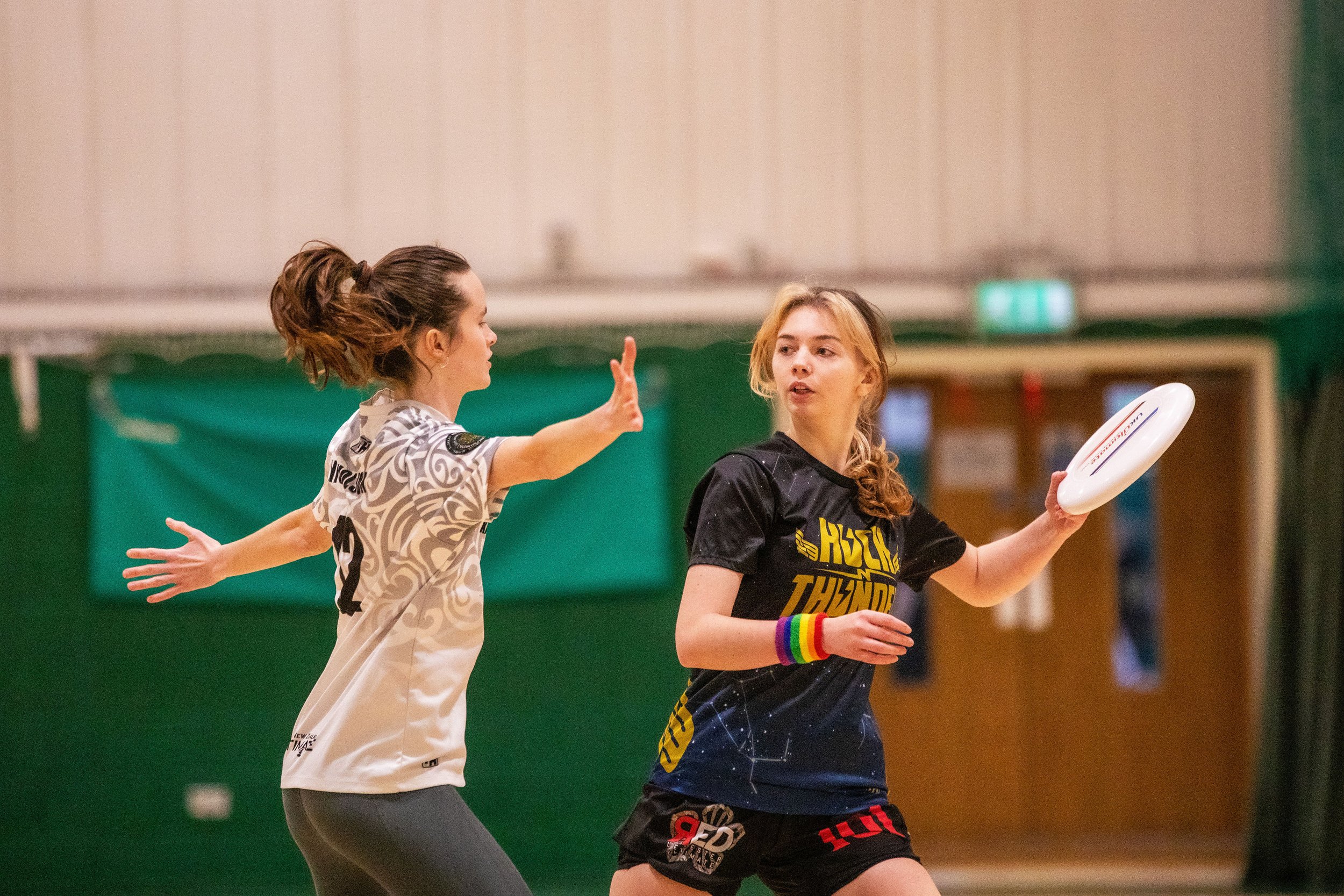
Look up immediately after planting. Start watching the stall count from your referee or the marker. If you are being marked, you can use your body to shield the disc, but you must still release it within ten seconds. Keep your eyes on your teammates, not the ground.
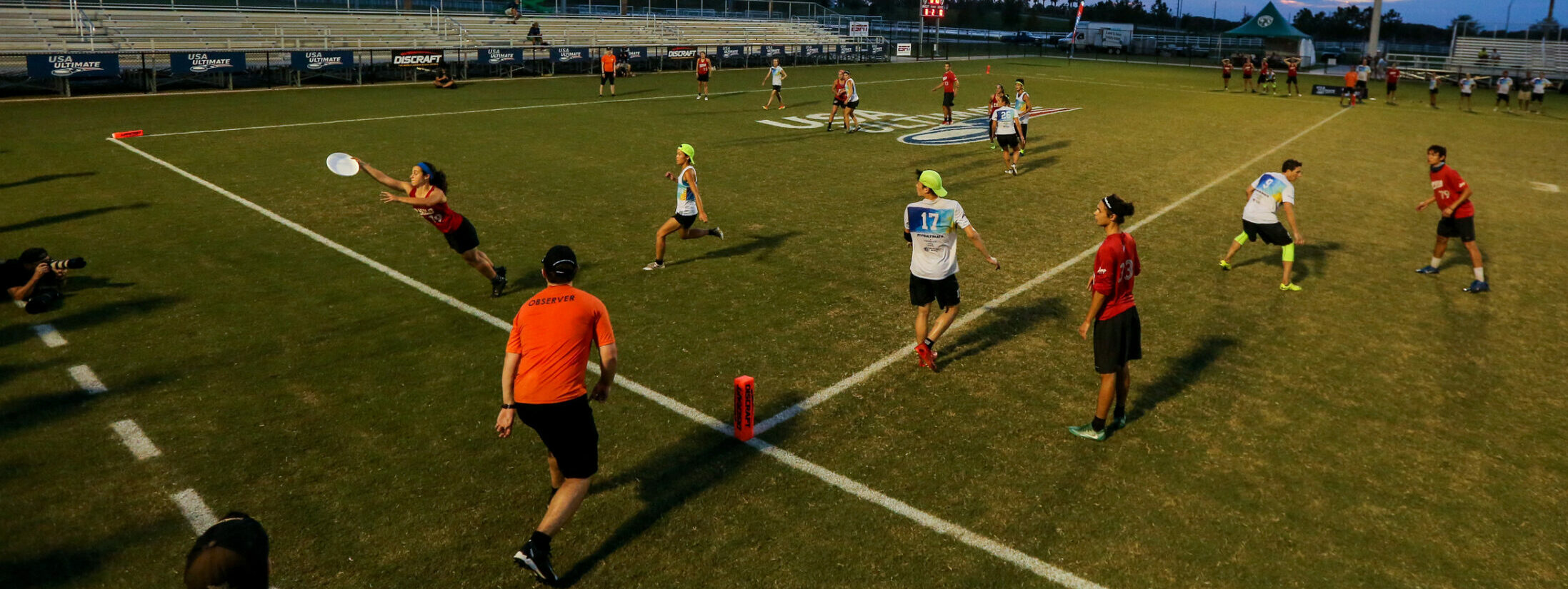
Throw the disc before the count reaches "ten." A quick, accurate pass is better than a risky, long throw. If you cannot find an open receiver, dump the disc to a nearby teammate to reset the stall count. Remember, any incomplete pass results in an immediate turnover.
Score and defend the end zone
The 2026 rulebook update sharpens the distinction between marking and defending, with a specific emphasis on non-contact play. Understanding how to score and how to defend the end zone requires precise spatial awareness and strict adherence to the stall count.
Marking distance and the stall count
When you mark the thrower, you must maintain a distance of one disc length from the pivot foot. This rule prevents physical obstruction and ensures the thrower has a clear passing lane. The marker begins the stall count at "one" and must count aloud, one number per second. If the thrower releases the disc before the count reaches ten, the turnover does not occur. A stalled count results in an immediate turnover to the opposing team.
Non-contact defense enforcement
The 2026 rules place heavier scrutiny on defensive positioning to minimize contact. Defenders must establish position without impeding the thrower’s movement. Any physical contact that alters the thrower’s balance or path is a foul. This includes leaning into the thrower or extending arms to block vision. The focus is on positioning and anticipation rather than physical interference. Players are expected to call their own fouls, maintaining the Spirit of the Game.
Scoring and end zone entry
A score is recorded when a player catches a legal pass while grounded inside the opponent’s end zone. The player must establish both feet within the boundary lines before the disc touches the ground. If a player catches the disc on the line, it is considered out of bounds, and possession reverts to the previous thrower. Defenders aim to block passes or force incomplete throws to prevent scores. Successful defense relies on reading the thrower’s eyes and cutting off passing lanes without committing fouls.
Resolve disputes on the field
Ultimate relies on self-officiating, meaning players must manage conflicts without referees. The 2026 rulebook reinforces that every player is responsible for maintaining fair play through clear communication and mutual respect. When a dispute arises, the goal is to reach a consensus quickly so the game can continue.
Stop play and call the foul
If you believe a foul occurred, stop playing immediately. Shout "Foul" clearly so all players hear the call. Do not continue the play, as this can complicate the resolution. The player who committed the foul (or their opponent) should acknowledge the call. If the foul is obvious, play stops right there.
Discuss and reach consensus
Once play stops, the involved players discuss the incident. Refer to the specific rule that was broken. If both sides agree on the outcome, resolve the dispute and reset the disc to the last uncontested position. The Official Rules of Ultimate provide the final word on technicalities, so consult the rulebook if the interpretation is unclear.
Escalate if needed
If players cannot agree, they must find a neutral third party, such as a captain or spectator, to help mediate. If no neutral party is available, the players should agree to a fair compromise, such as replaying the point or resetting the disc to the previous spot. The spirit of the game demands that no player insists on an unfair advantage.
Check your setup before play
Before the first pull, take two minutes to verify the field and rules. A mismatched field or outdated rule knowledge can derail strategy before you throw. The 2026 Ultimate Frisbee rulebook update emphasizes precision in setup, so a quick visual check saves disputes later.
Start with the field dimensions. A regulation field is 70 yards long by 40 yards wide, with end zones 20 yards deep [src-serp-5]. Measure the sidelines and end zones if possible, or use the existing markings as a baseline. Ensure the goal lines are clearly visible and the field is free of debris or hazards.
Next, review the key 2026 rule changes. Focus on spirit of the game protocols and stall count adjustments. Make sure all players understand the current stall count limit and the new procedures for resolving disputes. This alignment prevents stoppages and keeps the game flowing smoothly.
No comments yet. Be the first to share your thoughts!