

What is ultimate frisbee
Ultimate frisbee is a non-contact team sport played with a flying disc. Two teams of seven players compete on a rectangular field with end zones at each end. The core objective is simple: move the disc downfield by passing it to teammates until a player catches it in the opposing end zone to score a point. Unlike many traditional sports, there are no referees. Players are responsible for making their own calls, resolving disputes, and enforcing the rules on the field.
This self-officiating structure is built around the "Spirit of the Game," which is the sport’s golden rule. It requires players to compete hard while maintaining mutual respect and fair play. If you foul someone, you admit it. If you think you were fouled, you call it. This reliance on integrity means that knowing the basic rules is essential not just for winning, but for keeping the game moving smoothly and respectfully. The sport prioritizes sportsmanship over winning at all costs, making it accessible to players of all skill levels.
The game flows continuously, with the disc changing possession only when a pass is incomplete, caught by the defense, or goes out of bounds. This creates a fast-paced, athletic experience that combines the strategy of football with the fluidity of soccer, all centered around the simple act of throwing and catching a disc.
Gather the right frisbee gear
You don’t need a lot of equipment to start playing, but bringing the wrong items can hurt your performance or safety. Standard backyard frisbees are designed for casual tossing; they are often too light and aerodynamically unstable for the speed and precision required in competitive play. Using a disc meant for dogs or park picnics will result in inconsistent flights and poor control. Instead, you need a disc built for Ultimate, which offers the necessary weight and rim stability.
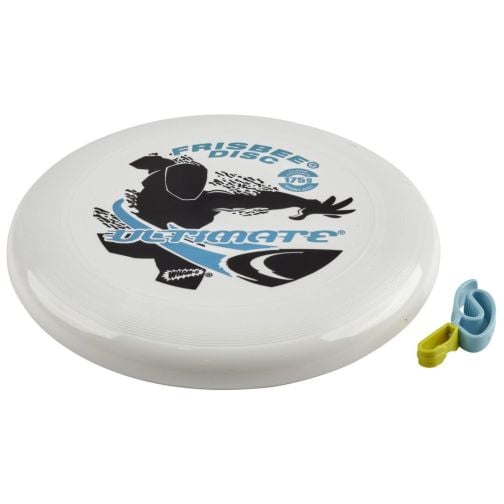
Look for a disc labeled for Ultimate play, typically weighing between 170 and 175 grams. These discs are heavier than recreational toys, which helps them cut through wind and maintain a straight flight path. The rim should be firm enough to grip securely with your fingers without causing blisters.
Standard running shoes often lack the lateral support needed for the sudden stops and sharp turns in Ultimate. Cleats provide the traction necessary to push off quickly without slipping on grass or turf. If you don’t have cleats, cross-training shoes with good grip are a safer alternative than smooth-soled sneakers.
Because Ultimate is a contact sport where players often collide when fighting for catches, a mouthguard is essential. It protects your teeth and reduces the risk of concussion from accidental impacts. You don’t need a custom dentist-made guard; a boil-and-bite version from a sporting goods store is sufficient for beginners.
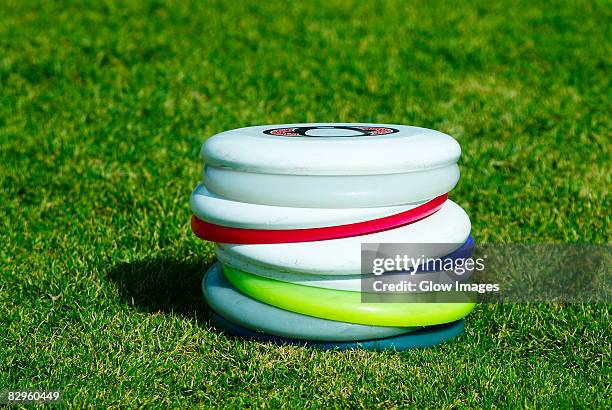
Essential gear checklist
Before your first practice, verify you have these items packed in your bag. This list covers the basics for a beginner’s first game.
-
Competition-grade Ultimate disc (170-175g)
-
Athletic cleats or high-traction shoes
-
Mouthguard (boil-and-bite)
-
Water bottle (at least 500ml)
-
Moisture-wicking athletic clothing
While you can borrow a disc from a friend if you’re just trying it out for the first time, investing in your own disc early on helps you learn the feel of the sport. The "Spirit of the Game" relies on fair play, and having the right gear ensures you can play safely and effectively without holding up the game due to equipment issues.
Learn the basic throwing techniques
The two fundamental throws in Ultimate Frisbee are the backhand and the forehand. Mastering these two motions allows you to control the disc and keep your team moving down the field. Focus on your grip and release to improve accuracy.
The backhand throw
The backhand is the most common throw in Ultimate. It is the easiest to learn and provides good control for short and medium passes.
- Grip: Hold the disc with your dominant hand. Place your index finger along the rim, just behind the inner ridge. Your thumb rests on top of the disc for stability. The other fingers curl underneath the rim.
- Wind-up: Turn your shoulders sideways to your target. Keep your elbow close to your body. The disc should be held across your chest, not out to the side.
- Release: Step forward with your non-dominant foot. Swing your arm across your body in a smooth arc. Let the disc roll off your index finger at the end of the swing. This spin stabilizes the disc in the air.
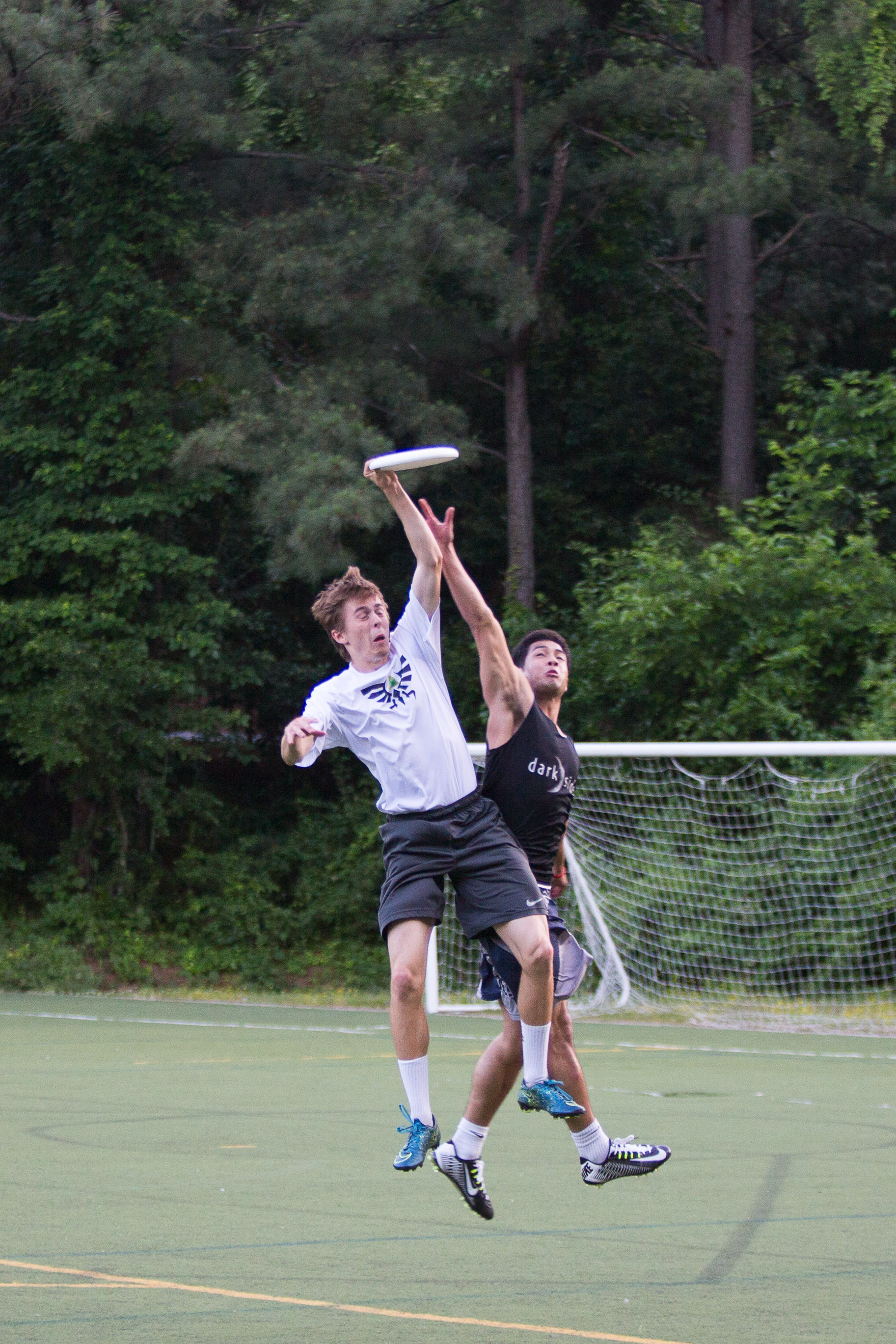
The forehand throw
The forehand, also called a flick, is useful for quick passes and throwing around defenders. It uses a similar grip but a different arm motion.
- Grip: Hold the disc with your dominant hand. Place your index finger along the rim, just behind the inner ridge. Your thumb rests on top of the disc. The other fingers curl underneath the rim, similar to the backhand grip.
- Wind-up: Turn your shoulders sideways to your target. Bring the disc across your body, keeping your elbow bent and close to your torso. The palm of your hand should face the target.
- Release: Step forward with your non-dominant foot. Snap your wrist outward and forward. The disc should leave your hand with a slight tilt, creating spin as it flies.
Understand core game rules
Ultimate Frisbee is played with a simple objective: move the disc down the field and catch it in the opponent’s end zone to score. Unlike many sports, there are no referees. Players are responsible for making their own calls, a concept known as the "Spirit of the Game." This means you must play hard but fair, resolving disputes through discussion rather than confrontation.
The Pivot and Movement
Once a player catches the disc, they must establish a pivot foot. This foot stays planted in one spot, acting like a hinge, while the player can step with their other foot to pass or move. You cannot run with the disc. If you take more than one step without pivoting, or if you lift your pivot foot before releasing the disc, it is a traveling violation. The disc is then turned over to the other team.
The Stall Count
The thrower has ten seconds to release the disc. A teammate or the marker (the defender guarding the thrower) counts out loud: "one, two, three..." up to ten. If the thrower hasn’t released the disc by "ten," it is a stall violation, and possession changes hands. This rule keeps the game moving quickly and prevents players from holding onto the disc too long.
Scoring and Turnovers
A goal is scored when a player catches a legal pass inside the opponent’s end zone. After a goal, the teams switch sides of the field, and the scoring team throws the disc to the other side to restart play. A turnover happens when a pass is dropped, hits the ground, goes out of bounds, or is intercepted. The defending team immediately becomes the offense and starts moving the disc in the opposite direction.
Because there are no referees, clear communication is essential. If you think you were fouled, you call "foul" immediately. If the defender thinks they played clean, they can argue their case. Most disputes are resolved on the spot. If players cannot agree, they replay the play from the last spot where both sides agreed the disc was in play. This system ensures the game remains fair without needing an official.
Practice the spirit of the game
Ultimate is unique among team sports because it is self-officiated. There are no referees on the field to call fouls, make out-of-bounds decisions, or determine turnovers. Instead, every player is responsible for their own actions and the integrity of the contest. This system relies entirely on the "Spirit of the Game," which serves as the golden rule of the sport: treat your opponents exactly as you would want to be treated.
"Spirit of the Game = Golden Rule. Treat others as you hope they would treat you."
— Ultimate Frisbee Community Guidelines
In practice, this means you must acknowledge your own fouls immediately. If you clip an opponent while defending, or if you step out of bounds while making a catch, you call it on yourself. You do not wait for someone else to point it out. This honesty keeps the game flowing and ensures that no one gains an unfair advantage through dishonesty.
When a dispute arises, the play stops, and the players involved discuss the incident until they reach a consensus. If you cannot agree, the disc is returned to the last thrower, and the play is replayed. This process requires calm communication and a willingness to listen. It transforms conflicts into conversations, reinforcing the idea that respect for your teammates and opponents is just as important as winning the point.
Find a local ultimate team
The easiest way to start playing is through your local community. Most cities have organized leagues that welcome beginners, ranging from casual pickup games to structured seasonal divisions. These groups provide the structure you need to learn the basics while meeting other players who share your interest.
Start by checking USA Ultimate’s club directory. It lists registered clubs across the country, many of which host beginner-specific practices or mixed-level games. If you prefer something less formal, search for local pickup games on social media or community boards. These sessions are often drop-in, meaning you can show up without committing to a full season.
When you join, remember that ultimate is self-officiated. The "Spirit of the Game" is the golden rule: treat others as you hope they would treat you. Players resolve their own disputes on the field, relying on honesty and respect rather than referees. This culture makes it easier to find welcoming teams, as players prioritize good sportsmanship over winning.
No comments yet. Be the first to share your thoughts!