

Grip and stance
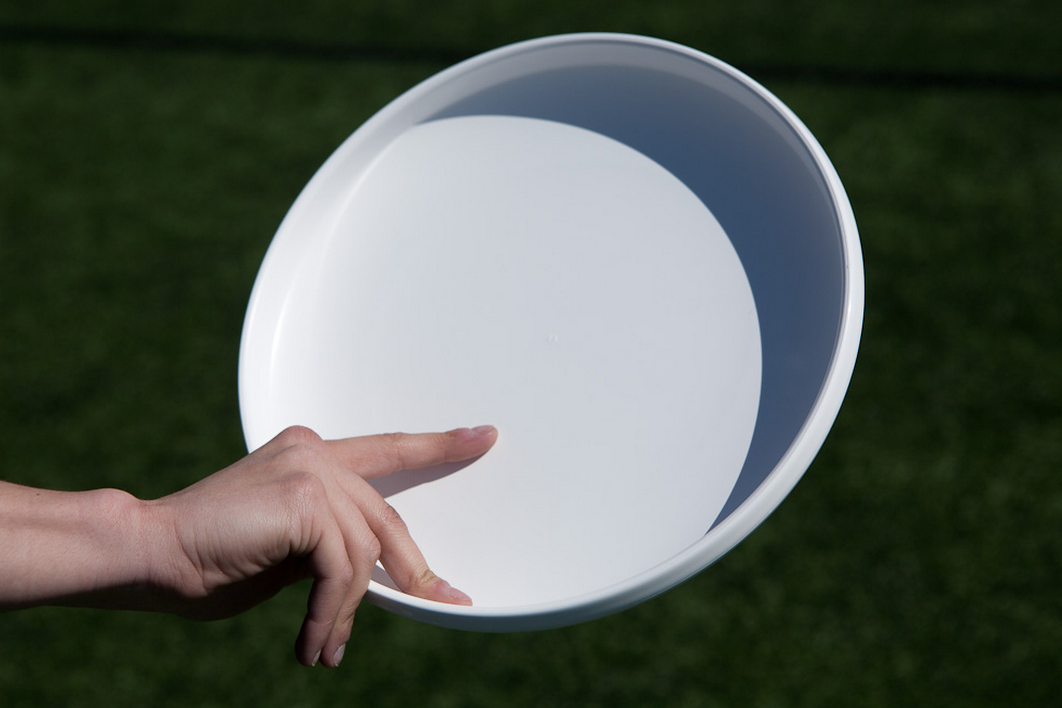
The foundation of a good forehand, or flick, throw in Ultimate Frisbee is a comfortable and consistent grip. You want to hold the disc with your fingers underneath and your thumb on top, similar to how you might hold a plate. Don't grip it too tightly; a relaxed grip allows for better wrist snap and a cleaner release. The disc should rest mostly in your palm, not solely in your fingers.
Disc angle is also important. Most players find success with a slight angle – tilting the outside edge of the disc upwards a bit. This helps promote a smooth release and a stable flight. Experiment to find what feels most natural for you, but avoid a completely flat grip initially. It's tougher to get spin with a flat grip.
Your stance should be athletic and balanced. Feet shoulder-width apart, with a slight bend in your knees. Point your non-throwing shoulder towards your target. This alignment helps transfer power efficiently. A common mistake beginners make is stepping towards the target with their throwing-side foot. Instead, focus on rotating your torso while keeping your weight balanced.
Generating power through the wrist
Many players think a powerful throw comes from arm strength, but the real secret is the wrist snap. It’s not just about quickly flicking your wrist; it's a sequence. Start with a smooth pull-through, bringing the disc back and across your body. Think of drawing a line from your back shoulder to your target.
Engage your core as you pull through. Power starts in the legs and torso before moving to the arm. The wrist snap happens at the very end of the motion, just before you let go. It is a quick, forceful rotation rather than a long arm swing.
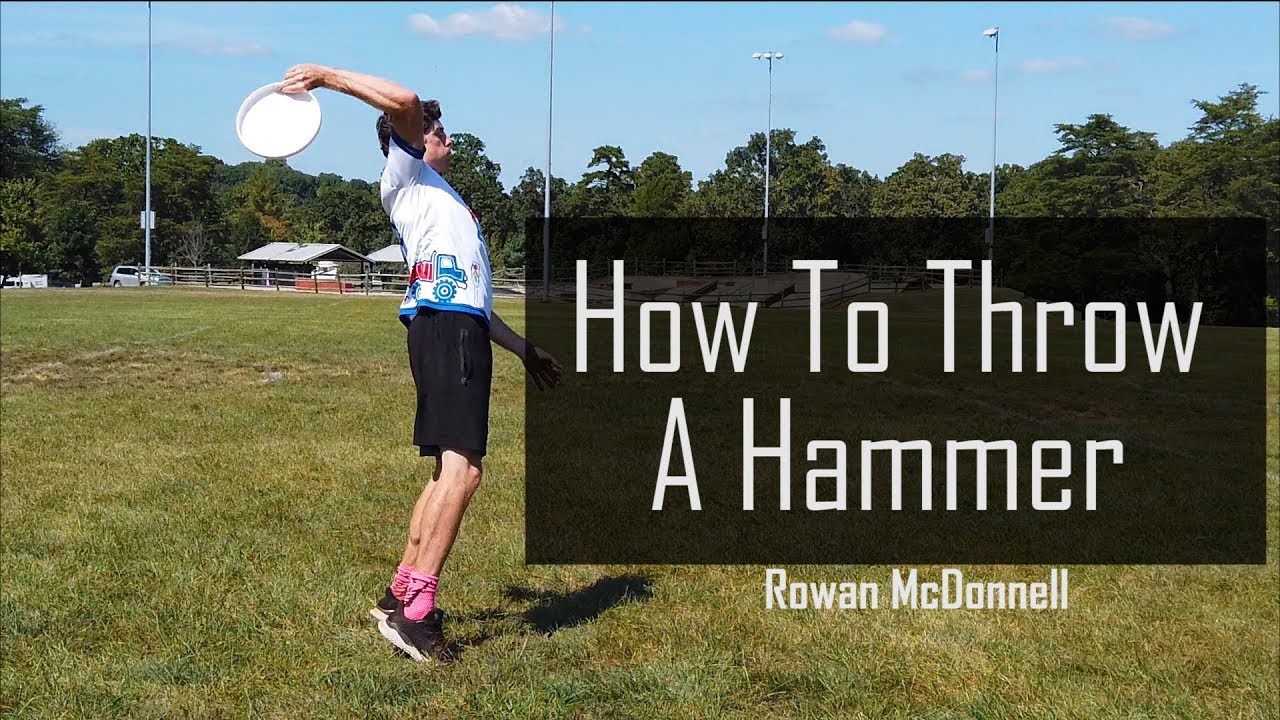
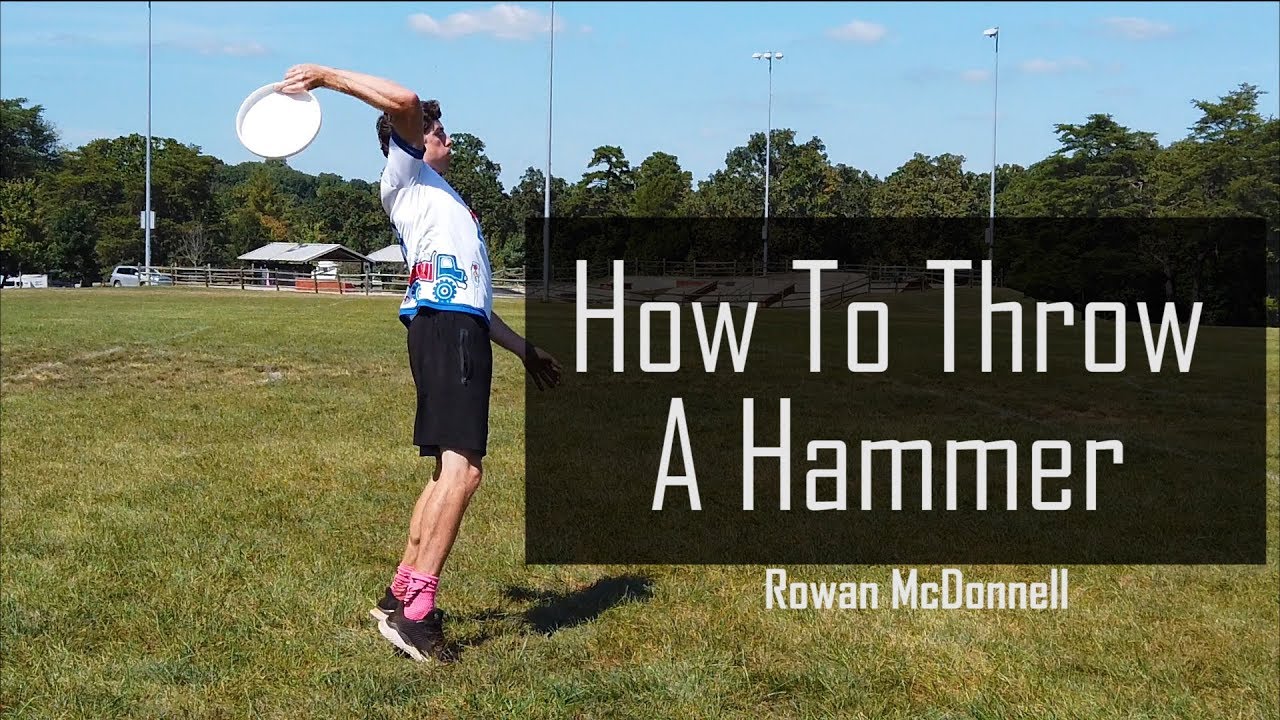
To isolate and strengthen this motion, practice 'snap drills'. Simply hold the disc and practice snapping your wrist without actually releasing the disc. Focus on the feeling of the snap and the rotation. You should feel your forearm muscles working. Excel Ultimate on YouTube has a good visual guide to this, published in September 2019.
Release points and disc angles
The release point is absolutely critical for controlling the disc's flight path. Releasing the disc too early will result in a nose-up stall, while releasing it too late will cause it to dive. The ideal release point is just in front of your body, at about eye level. This gives the disc a good angle for a stable, flat flight.
Adjusting the disc angle at release allows you to control distance and stability. A flat release will generally result in a longer, more stable throw. Releasing with a slight hyzer angle (outside edge tilted down) will create a more aggressive curve. A slight anhyzer angle (outside edge tilted up) will cause the disc to turn over more.
A clean release is key. Avoid any wobble or unintentional spin. This often happens when players grip the disc too tightly or try to force the throw. Focus on a smooth, relaxed release. Pay attention to your body position; your shoulders should be aligned with your target, and your weight should be transferred forward.
Controlling spin
Spin is the backbone of a good Ultimate throw. More spin equates to more stability, making the disc less susceptible to wind and maintaining a straighter flight path. Generating consistent spin comes down to proper finger pressure and wrist rotation during the release.
Apply pressure with your index and middle fingers as you snap your wrist. This helps impart spin on the disc. Think of 'rolling' the disc off your fingers. The more you practice, the more you’ll develop a feel for the right amount of pressure. A wobbling disc often indicates insufficient spin.
Focus on a smooth, controlled snap where you can feel the disc rotate against your finger pads. Experiment with how hard you squeeze the rim and the angle of your wrist. More pressure usually helps in windy conditions to keep the flight path straight.
Forehand Spin Control: Test Your Knowledge
So you've been working on your forehand – excellent! But a wobbly flick is a weak flick. This quick quiz will test your understanding of the key elements that contribute to spin and how to diagnose common wobble issues. Accurate spin is crucial for distance, accuracy, and breaking marks in 2026 and beyond. Let's see how well you've grasped the fundamentals.
Adding variety with break throws
Once you've mastered the basic forehand, adding break throws to your repertoire is essential. Break throws are throws that curve in the air, allowing you to throw around defenders or reach receivers in tight coverage. Inside break throws curve towards your body, while outside break throws curve away from your body.
To throw an inside break, release the disc with a slight anhyzer angle and a bit more spin. The anhyzer angle will cause the disc to turn over and curve inwards. For an outside break, release with a slight hyzer angle. This will cause the disc to fade and curve outwards. The amount of angle and spin determines the sharpness of the curve.
Strategic use of break throws is crucial. Don't just throw them randomly. Use them to exploit defensive weaknesses, create throwing lanes, or surprise your opponents. For example, an inside break throw can be effective when the defender is expecting an outside break. Knowing when to use which break throw is just as important as being able to throw them.
Fixing common mistakes
Inconsistent accuracy is a common problem. Often, this stems from an inconsistent grip or a rushed release. Slow down, focus on your grip, and make sure you're completing your full throwing motion. A quick fix is to practice throwing at a stationary target close range to build consistency.
Lack of distance usually indicates insufficient power generation. Focus on engaging your core and maximizing your wrist snap. Remember, it's not about arm strength; it's about transferring energy efficiently. Try doing some core strengthening exercises to improve your power.
Wobbling discs are typically caused by insufficient spin or an uneven release. Ensure you're applying enough finger pressure during the release and that your wrist is rotating smoothly. If the wobble persists, try adjusting your grip slightly. I’ve seen players fix wobbles simply by shifting their grip a quarter-inch.
Drills to improve your flick
Start with the 'Target Practice' drill. Set up a stationary target (a cone or a teammate) and practice throwing forehands at it from varying distances. Focus on accuracy and consistency. Gradually increase the distance as you improve. The University of Arizona Ultimate team recommends starting 10-15 feet away.
Next, try the 'Partner Throw' drill. Have a partner stand a short distance away and practice throwing forehands back and forth. Focus on maintaining a consistent release point and generating spin. This drill helps you develop timing and coordination.
For advanced practice, try the 'Break Throw Drill'. Have a partner call out 'inside' or 'outside' and practice throwing the corresponding break throw. This drill helps you develop the muscle memory needed to execute break throws quickly and accurately. Consistent practice – even just 15-20 minutes a day – will yield significant improvement.
- Target Practice: Focus on accuracy and consistency at varying distances.
- Partner Throw: Develop timing and coordination with a partner.
- Break Throw Drill: Build muscle memory for inside and outside breaks.
Forehand Throw Development Drills
| Drill Name | Focus | Difficulty | Equipment Needed |
|---|---|---|---|
| Target Practice | Release Point & Accuracy | Beginner | Disc |
| Wall Throws | Grip & Initial Arm Motion | Beginner | Wall, Disc |
| Short Range Snap Drill | Wrist Snap Development | Intermediate | Disc, Partner |
| Stride & Throw | Combining Footwork with Throw | Intermediate | Disc, Partner, Open Space |
| Angle Release Practice | Adjusting Release Angle for Different Breaks | Intermediate | Disc, Partner, Cones (optional) |
| Full Field Forehand | Throwing with Distance and Under Pressure | Advanced | Disc, Partner, Field Space |
| Break Throw Simulation | Practicing forehands to specific cutting lanes | Advanced | Disc, Multiple Partners, Field Space, Cones (optional) |
Illustrative comparison based on the article research brief. Verify current pricing, limits, and product details in the official docs before relying on it.

No comments yet. Be the first to share your thoughts!