

Review the 2026 rule changes
USA Ultimate updates the rulebook annually to refine enforcement and clarify ambiguity. The 2026 edition introduces specific text modifications that impact how players self-officiate and how referees interpret plays. Understanding these shifts is essential for maintaining competitive integrity.
The primary focus of the 2026 revisions is precision in non-contact violations and spirit calls. Previous editions often relied on broad interpretations of "interference" or "dangerous play." The new text narrows these definitions to specific physical interactions, reducing subjective judgment during high-speed play. This shift aims to decrease stoppages caused by disputed calls.
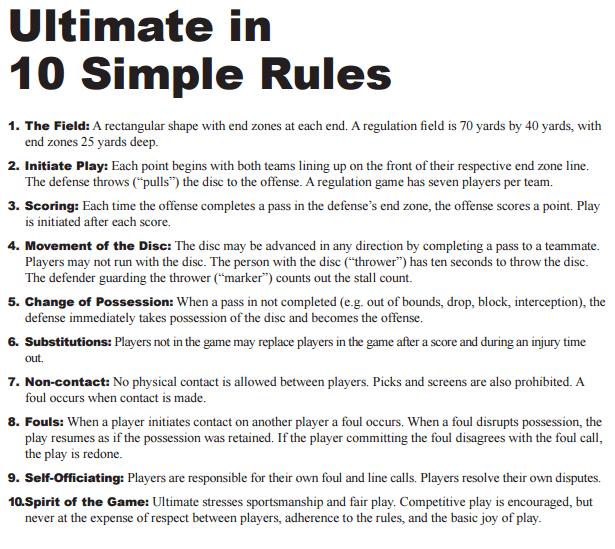
Enforcement protocols have also been adjusted to support these textual changes. Referees now have clearer guidelines for when to intervene versus when to allow players to resolve disputes. This reduces the frequency of referee overrides, keeping the game flowing while preserving the self-officiated nature of the sport. Players must adapt their communication style to align with these new expectations.
For teams preparing for the 2026 season, review the official rulebook changes section by section. Focus on definitions related to marking, cutting, and defensive positioning. These areas typically see the most significant enforcement adjustments, directly affecting gameplay strategy.
Adjust your defensive strategy
The 2026 rule updates tighten the standards for contact and stall counts, forcing defenders to shift from reactive positioning to proactive spacing. Under the new interpretations, even minor body contact can result in a foul call, and the margin for error in stall communication has narrowed. Defenders must now treat every mark as a time-sensitive constraint and every cut as a potential contact point.
To adapt, you need to refine your footwork and vocal presence. The following steps outline how to adjust your mark and coverage to meet the new standards.
Measure your distance from the mark before engaging. The new contact rules penalize "leaning" or cutting off the mark's path more strictly than before. Stand upright, keep your feet active, and avoid drifting toward the thrower. If the mark moves, you move with them, maintaining a consistent, non-intrusive buffer.

Ambiguity is no longer an option. Call "stall" clearly and loudly at the exact moment the count begins, ensuring the thrower hears it. Under the updated stall count interpretations, a missed or mumbled call can void the stall or lead to a violation. If you are unsure if the thrower heard you, reset the count rather than risking a foul or violation call.
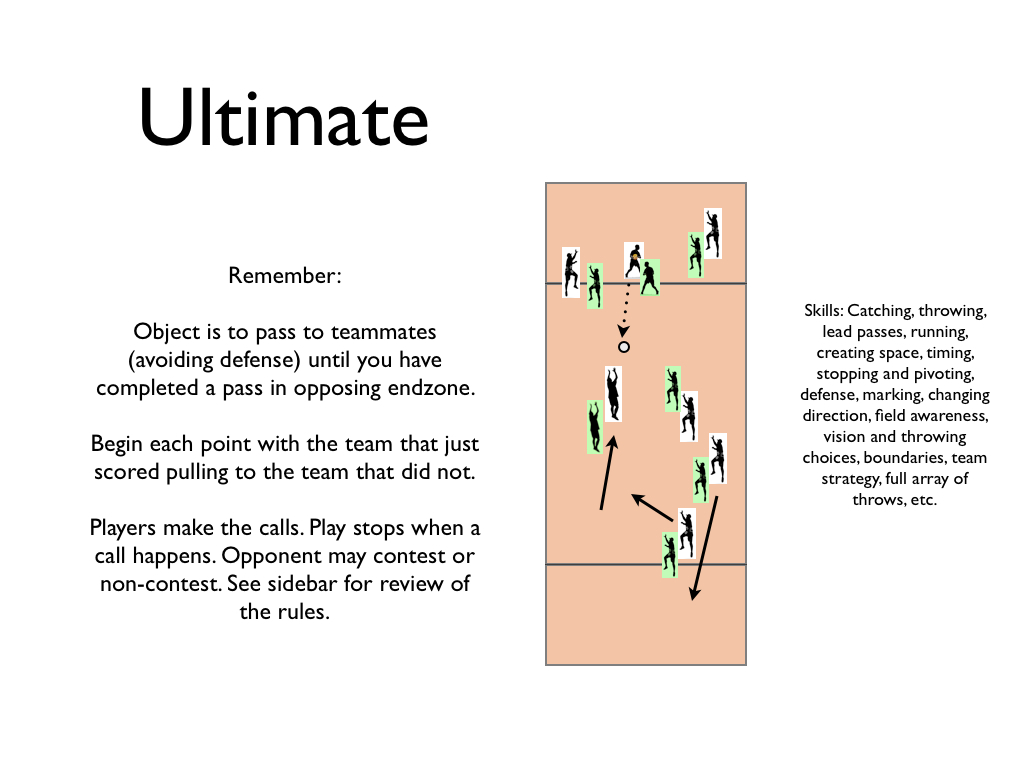
Traditional man-to-man defense often leads to accidental contact when players turn to receive the disc. Instead, prioritize lateral positioning. Stay between the thrower and your mark's likely cut path without entering their space. Use your peripheral vision to track the disc while keeping your body oriented toward the mark to prevent accidental collisions.
With the reduced tolerance for contact, verbal communication becomes your primary tool for avoiding fouls. Call out "space" or "cutting" when you see a potential collision risk. If a defender is out of position, call it immediately so your team can adjust. This proactive communication reduces the need for physical intervention and keeps the game flowing under the new rules.
These adjustments require discipline, but they align with the spirit of the game as defined by USA Ultimate. By prioritizing space and clear communication, you protect your team from penalties while maintaining defensive pressure. For the full text of the updated rules, refer to the official USA Ultimate rulebook.
Adjust offensive spacing tactics
The 2026 rule changes place a heavier emphasis on pivot foot clarity. This shift forces offensive players to rethink their spacing and cutting patterns. When defenders know exactly where your pivot foot is, they can close down lanes more effectively. You must adapt your movement to create ambiguity and exploit the new defensive geometry.
Establish a clear pivot
Before every cut, ensure your pivot foot is planted and stationary. A wobbly or sliding pivot gives the marker an easy read. If your pivot is unclear, the defender can legally shadow your potential cutting path without fouling. Take a moment to set your base firmly. This small adjustment signals intent and forces the defense to react to your body language rather than guessing your next move.
Create separation through timing
Spacing is no longer just about distance; it is about timing. With clearer pivot rules, defenders can stay tighter to you without fear of a travel call. To create space, you must vary the speed of your cuts. Instead of a steady jog, use explosive bursts followed by sudden stops. This rhythm disrupts the defender's ability to maintain close coverage. Use the extra room created by their tighter marking to slip into open zones.
Use the sideline and endline
The boundaries of the field become more valuable when pivot foot clarity is enforced. Defenders often hesitate to play the sideline closely for fear of blocking a cut or calling a foul incorrectly. Use the sideline as an extra defender. By cutting along the boundary, you force the marker to navigate around you, creating natural separation. Similarly, using the endline to stretch the defense can open up middle lanes for your teammates.
Communicate with non-verbal cues
Clear pivots allow for more precise communication. Use eye contact and hand signals to indicate your intended cut direction before you move. This reduces hesitation and allows your team to adjust spacing instantly. When everyone knows where you are going, the offense moves as a cohesive unit rather than a collection of individuals. This cohesion is essential for exploiting the new rule environment effectively.
Implement self-officiating protocols
Ultimate relies on the Spirit of the Game, meaning players resolve disputes without referees. This requires a clear, consistent workflow for handling calls. When a dispute arises, follow this sequence to maintain fairness and keep the game moving.
1. Identify the foul
Stop play immediately if a foul occurs during a scoring attempt or if the disc is still in the air. If the disc is already in play, allow the throw to complete before addressing the issue. Clearly state the foul type and location. Do not argue the call; simply state the facts as you see them.
2. Discuss and resolve
Players involved in the play discuss the call. If both sides agree, the disc is returned to the location of the foul. If there is disagreement, the player who made the call (or the defender, depending on the foul type) has the final say. The goal is to reach a consensus quickly. If you cannot agree, the disc is returned to the thrower.
3. Reset and resume
Once the call is resolved, reset the disc to the agreed-upon location. Ensure all players are aware of the new position. Resume play without lingering on the dispute. This keeps the game flowing and respects the Spirit of the Game.
Pre-game checklist
-
Review the latest WFDF or USA Ultimate rulebook
-
Agree on foul resolution protocol with teammates
-
Confirm understanding of Spirit of the Game principles
-
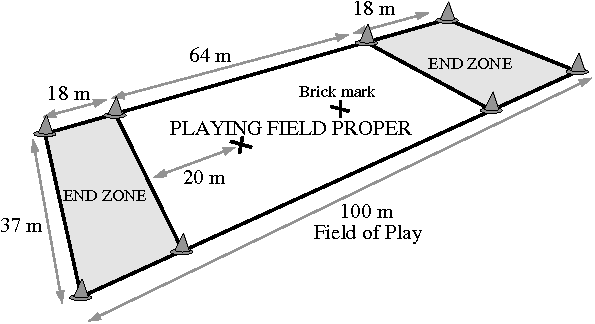
Check field boundaries and out-of-bounds markers
-
Ensure disc is in good condition and clearly marked
No comments yet. Be the first to share your thoughts!