

What is ultimate frisbee
Ultimate frisbee is a non-contact team sport played with a flying disc. Two teams of seven players compete on a rectangular field with end zones at each side. The primary objective is simple: advance the disc down the field by passing it to teammates and catch it in the opponent’s end zone to score a point. Unlike many traditional sports, there are no referees. Players are responsible for making their own calls on fouls and violations, a system known as the "Spirit of the Game." This self-officiated nature places a premium on respect, fair play, and honest communication.
The game moves quickly because the disc cannot be run with. Once a player catches the disc, they must establish a pivot foot and can only pass it to others. Defenders mark the thrower closely to prevent passes, creating a dynamic balance between offensive spacing and defensive pressure. Because there are no timeouts or stoppages for minor infractions, the flow of the game remains continuous, requiring players to resolve disputes quickly and respectfully on the field.
To learn the specific rules and regulations, refer to the Official Rules of Ultimate published by USA Ultimate. Understanding these guidelines will help you understand the field layout with confidence and ensure a fair experience for all participants.
Essential equipment for beginners
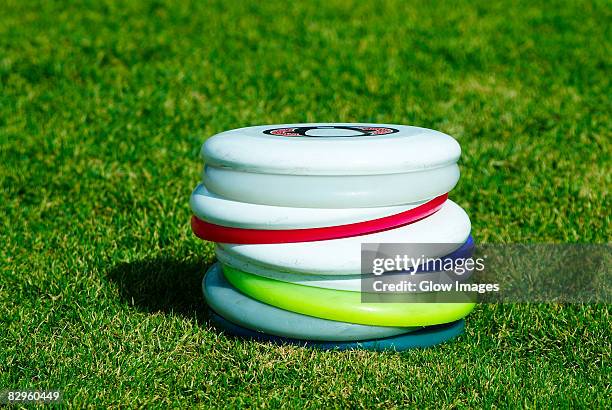
You do not need expensive gear to start playing ultimate frisbee. The sport is built on simplicity: a disc, some movement, and a field. Before you buy anything, check what your local league or pickup group already has. Most clubs maintain a shared bin of discs for newcomers to borrow. This lets you test different throws and grips before investing in your own stack.
When you are ready to buy your first disc, look for a standard 175-gram ultimate disc. Heavier discs cut through wind better, while lighter ones are easier to throw if you have less arm strength. Avoid "flying disc" novelty items sold in toy stores; they are often made of soft plastic that warps and flies unpredictably. Stick to brands recognized by USA Ultimate for consistent flight patterns.
Footwear depends on where you play. For turf or grass fields, cleats provide the traction needed for sharp cuts and sprints. If you are playing on concrete or indoor courts, flat-soled court shoes prevent slipping and protect your joints. Avoid running shoes with deep treads on turf, as they can catch and cause ankle injuries. For clothing, wear breathable athletic wear that allows full range of motion. Shorts and a t-shirt are standard; just avoid pockets that might catch the disc.
How a Play Unfolds from Pull to Score
Ultimate Frisbee moves in distinct bursts. Possession shifts instantly when the disc hits the ground, is caught out of bounds, or is intercepted. Understanding the flow of a single play helps you anticipate where the disc is going and where you need to be.
1. The Pull Starts the Point
Every point begins with a "pull," which is essentially a kickoff. The defending team throws the disc from their end zone to the attacking team at the opposite end. The receiving team catches the disc and immediately becomes the offense. They must establish a pivot foot before they can throw, just like in any other possession.
2. Establishing the Pivot
Once a player catches the disc, they must stop moving their feet. The foot that touches the ground first upon landing becomes the pivot foot. This foot stays planted in one spot, acting as a hinge. The player can rotate their body in any direction to look for an open teammate, but they cannot drag or lift the pivot foot. If they do, it is a travel violation, and possession turns over.
3. Moving the Disc
The offense advances the disc by throwing it to teammates. Players can run to get open, but they cannot hold the disc for more than ten seconds. A defender marks the thrower and counts aloud to enforce this stall count. If the count reaches ten before a throw is released, it is a turnover. The thrower must release the disc before the count reaches ten.
4. Scoring and Turnovers
A goal is scored when a player catches the disc in the opposing end zone. After a score, teams switch sides, and the team that just scored pulls to start the next point. Turnovers happen when the disc is dropped, caught out of bounds, intercepted, or stalled. When a turnover occurs, the team that was just defending becomes the offense. They take the disc to the spot where the turnover happened and begin their attack.
Common mistakes and how to fix them
Even experienced players slip up on these basics. Fixing them early saves time and keeps the game flowing.
Traveling
Traveling happens when the thrower moves their pivot foot after catching the disc. This is a turnover. To avoid it, catch the disc and immediately plant your pivot foot. Don't slide or shuffle. Stay still until you release the throw. This keeps the defense honest and prevents stoppages.
Dropping Catches
Dropping the disc is frustrating but fixable. Focus on your hands, not the disc. Use a "C" hand shape with your thumb and index finger. Catch with your fingers, not your palm. If the disc hits your chest, let it go. Try again. Practice tracking the disc with your eyes until it lands in your hands.
Poor Defense Communication
On defense, silence leads to missed assignments. Call "switch" when attackers cross paths. Call "mine" when you are responsible for a specific receiver. This prevents two defenders from going for the same player and leaving someone open. Clear, loud calls keep your team organized and effective.
Find local ultimate groups
Finding a place to play is the fastest way to get on the field. The sport runs on community-led pickup games and local clubs, which are easy to locate with a few targeted searches.
Start with USA Ultimate’s club directory. This database lists registered clubs across the country, giving you a clear list of organized teams in your area. Most clubs host weekly practices that welcome newcomers, providing a structured environment to learn the basics. Visit usaultimate.org to search by zip code and filter by skill level.
For casual play, look for pickup game listings on social media or apps like Meetup. These games are drop-in friendly and require no prior commitment. They are ideal for testing your skills without the pressure of a league. If you prefer community discussion, browsing threads on r/ultimate can reveal hidden game spots and etiquette tips specific to your city.
Once you find a group, show up early. Ultimate is welcoming, and most players are happy to explain the basics of throwing and catching. Bring a disc if you have one, though most groups have spares available.
Frequently asked questions about ultimate
Work through Frisbee Rule Changes & New Equipment Tech
No comments yet. Be the first to share your thoughts!