

What is ultimate frisbee
Ultimate is a non-contact team sport played with a flying disc. It is not a casual toss in the park. Two teams compete to score goals by catching the disc in the opposing end zone. The game relies on speed, strategy, and player integrity rather than referees.
The standard field is rectangular, similar to American football but without yard lines. Each end zone is typically 18 yards deep. A team consists of seven players. The objective is simple: move the disc downfield by passing it to teammates until a player catches it in the end zone for a point.
Unlike many sports, there are no referees in standard play. Players are responsible for making their own foul calls and resolving disputes. This self-officiating spirit, known as the "Spirit of the Game," is central to Ultimate. It requires honesty and respect, ensuring fair play without external enforcement.
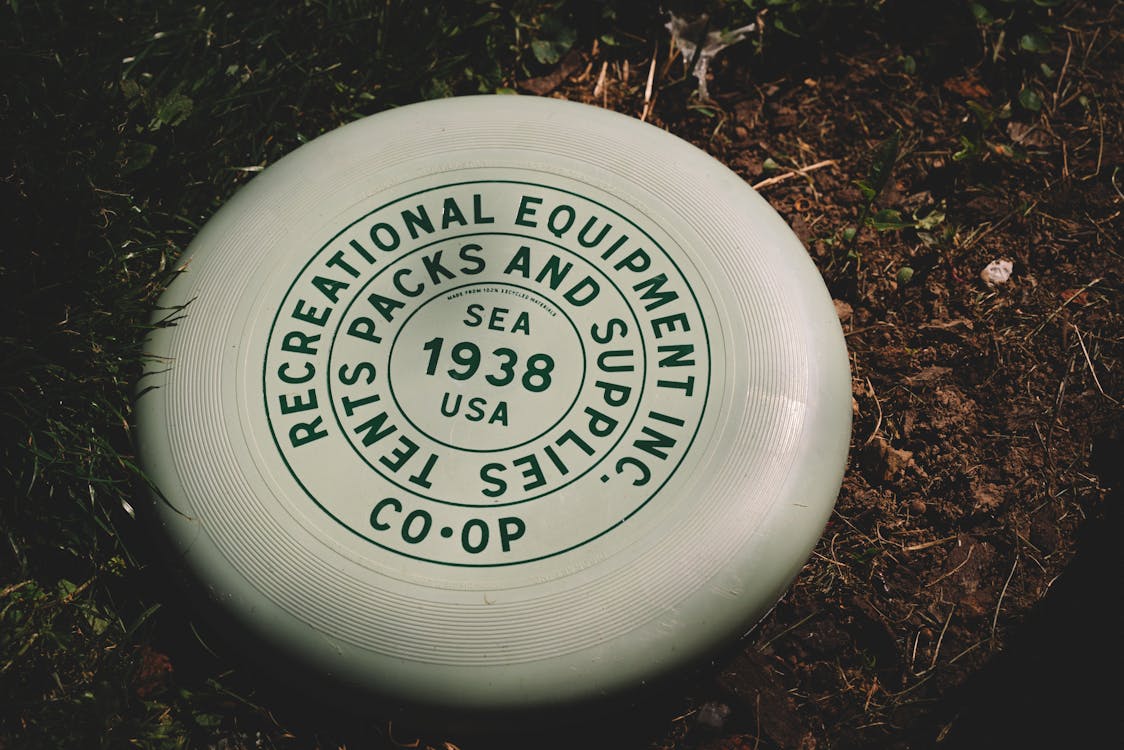
The sport is governed by official rules that define field dimensions, player positions, and scoring. These rules ensure consistency across casual pickup games and competitive tournaments. Understanding the basics of field layout and team structure is the first step to playing.
For detailed regulations, including specific foul calls and stall counts, refer to the official rules provided by USA Ultimate. These documents serve as the standard reference for both new players and seasoned competitors.
Essential equipment for beginners
You don't need expensive gear to start playing Ultimate Frisbee. The sport relies on movement and teamwork, not specialized technology. Focus on two main items: a disc that flies true and shoes that grip the grass.
Choose the right disc
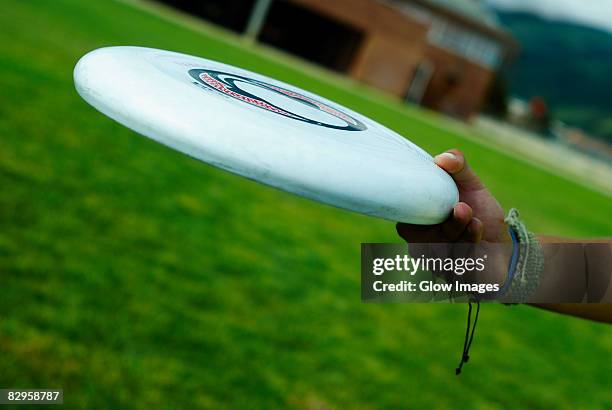
A standard 175-gram disc is the official weight for most adult leagues. It offers a balance of stability for throws and forgiveness for new players. Avoid lightweight novelty discs or heavy golf discs; they disrupt your throwing mechanics and make catching difficult.
If you are buying your first disc, look for "player discs" rather than "game discs." Player discs are softer and easier to grip, which helps build confidence. As you improve, you can upgrade to stiffer discs that hold their shape better in windy conditions.
Wear cleats or turf shoes
Your footwear determines your ability to stop and turn quickly without slipping. Grass fields can be slippery, especially in the morning or after rain. Athletic sneakers with flat soles often lack the traction needed for sudden direction changes.
Molded plastic cleats are the standard choice for Ultimate. They provide grip without the danger of metal spikes, which are often banned on natural grass fields. If you play on artificial turf, choose turf shoes with small rubber nubs to protect your joints and maintain traction.
Pre-game gear checklist
-
175g ultimate disc (player disc recommended)
-
Molded cleats or turf shoes
-
Moisture-wicking athletic clothing
-
Water bottle
-
Knee pads (optional, for comfort)
How Ultimate Frisbee Works
Ultimate Frisbee is a non-contact, self-officiated team sport played with a flying disc. Two teams of seven players compete on a rectangular field, each trying to score goals by catching the disc in the opponent’s end zone. The game moves quickly, relying on player movement and precise throws rather than physical contact or referee intervention.
Scoring and Field Layout
The primary objective is to score points by completing a pass within the opposing team’s end zone. When a player catches the disc while standing inside the end zone, the team is awarded one point. The field is divided into two equal end zones at either end, separated by a central playing area. After a score, the teams switch sides, and the non-scoring team restarts play with a "pull," which is similar to a kickoff in football.
Turnovers and Possession
Possession changes immediately when a pass is incomplete, intercepted, knocked down, or goes out of bounds. If a defender catches a pass intended for an offensive player, they gain possession and become the offense. Similarly, if the disc hits the ground without being caught, or lands outside the field boundaries, the other team takes over. This constant flow of possession keeps the game fast-paced and requires players to maintain high levels of focus and communication.
The Stall Count
To prevent the offense from holding the disc indefinitely, the defender marking the thrower begins a ten-second count, known as a stall. The marker calls out numbers from one to ten at a steady pace. If the thrower has not released the disc by the time the count reaches ten, it is a turnover. This rule encourages quick decision-making and dynamic movement, ensuring the game remains fluid and engaging for all participants.
Self-Officiating and Spirit of the Game
Unlike many sports, Ultimate Frisbee has no referees. Players are responsible for making their own calls and resolving disputes. This system is guided by the "Spirit of the Game," a core principle that emphasizes sportsmanship, fair play, and mutual respect. Players must honestly report fouls and violations, trusting that their opponents will do the same. This self-regulation fosters a unique culture of integrity and accountability, making honesty the foundation of every match.
How to throw and catch
Learning to throw and catch is the foundation of playing Ultimate Frisbee. The disc moves differently than a ball, relying on spin and aerodynamics rather than just force. You will spend most of your game time either holding the disc or trying to keep it in the air. Mastering the two primary throws—the backhand and the forehand—along with safe catching mechanics, will keep the disc moving and your team ahead.
The backhand throw
The backhand is the most natural throw for beginners and the workhorse of the game. It is the easiest throw to learn and allows for good distance with minimal effort. To execute a proper backhand, start by gripping the disc with your index finger along the rim and your thumb on top for stability. Stand sideways to your target, keeping your feet shoulder-width apart.
Bring the disc across your body to your non-throwing side, bending your elbow and keeping your wrist firm. Rotate your hips and shoulders toward the target, leading with your elbow. Snap your wrist forward at the last moment to release the disc. The disc should fly flat and stable, cutting through the air like a frisbee on a sunny day. Avoid flicking your wrist too early, which causes the disc to fade left (for right-handers) or turn over.
The forehand (flick) throw
The forehand, often called the flick, is essential for clearing defenders or throwing in tight spaces. It uses a different part of your body, engaging your forearm and wrist more directly. Grip the disc with your index finger along the rim and your thumb on top, similar to the backhand but with your palm facing the target. Stand sideways to your target, but this time your throwing shoulder is closer to the direction you want to go.
Pull the disc back across your body, keeping your elbow tucked in. As you rotate your torso, snap your wrist forward aggressively. The power comes from the wrist snap and the rotation of your core, not just your arm. The disc will fly straighter and faster over short to medium distances. Practice releasing the disc with a slight upward angle to keep it from nosediving into the ground.
Catching safely
Catching is often harder than throwing because the disc can be unpredictable. The safest and most reliable method is the two-handed catch. Keep your eyes on the disc until it is firmly in your hands. As the disc approaches, extend both arms toward it, forming a V-shape with your thumbs and index fingers. Catch the disc in the middle of the V, allowing your arms to absorb the impact by pulling the disc gently toward your chest.
Avoid reaching out with one hand unless you are in a high-pressure game situation. One-handed catches are riskier and more likely to result in dropped discs. For beginners, sticking to the two-handed catch builds confidence and reduces the number of turnovers. Remember, a caught disc is secure; a dropped one gives the other team possession.
Common beginner mistakes to avoid
New players often stumble on the basics of positioning and communication. These errors slow down play and frustrate teammates. Fixing them early makes your first Ultimate Frisbee game much smoother.
Dropping the disc on a catch
Many beginners watch the disc too closely and forget to secure it. When you catch the disc, you must hold it firmly. If you drop it, the other team gets possession. Practice catching with both hands and securing the disc against your chest.
Standing still after catching
In Ultimate Frisbee, you cannot run with the disc. You must pivot on one foot while looking for a teammate. Beginners often stop moving entirely after a catch. This gives defenders time to close in. Keep your pivot foot planted and scan the field immediately.
Poor communication
Ultimate is a self-officiated sport. Players must call their own fouls and communicate clearly. Beginners often stay silent, assuming someone else will call the disc. If you see a foul, call it. If you are open, say "I'm open!" Silence leads to missed opportunities and confusion.
Misunderstanding the stall count
The defender counts to ten seconds while marking the thrower. Beginners often ignore this count or forget to start their own stall count when they catch the disc. If you hold the disc for more than ten seconds, it is a turnover. Keep the disc moving to keep the offense alive.
Ignoring the sideline
The sidelines are out of bounds. Beginners often throw to players who are standing on or near the line. If any part of the disc touches the sideline, it is a turnover. Always throw to players who are clearly inside the field boundaries.
Frequently asked: what to check next
Work through Frisbee Rule Updates & Equipment Trends
No comments yet. Be the first to share your thoughts!