

Why ultimate is growing
Ultimate has been around since the late 60s, but interest is spiking again. After years of being stuck inside, people are looking for ways to get outdoors and actually talk to their neighbors. Ultimate is one of the easiest ways to do that.
One of the biggest draws is its accessibility. Compared to sports like hockey or even organized baseball, the barrier to entry is remarkably low. You don’t need expensive equipment – just a disc and a field. This makes it appealing to a wide range of people, regardless of their athletic background or financial situation. The sport’s emphasis on self-officiating and the 'Spirit of the Game' also creates a uniquely positive and inclusive environment.
Organizations like USA Ultimate are actively working to promote the sport and expand its reach. Their initiatives, combined with the growth of local leagues like those organized through leaguesbyplaycv.org, are clear indicators of this upward trend. You can see the commitment to growth reflected in events like DISCover Ultimate Day, slated for September 19, 2026. It’s a fantastic time to get involved and build a local Ultimate community.
I believe this combination of factors – increased demand for accessible outdoor activities, the sport’s inherent community focus, and the support of national organizations – creates an ideal opportunity to establish a thriving local Ultimate scene in 2026.
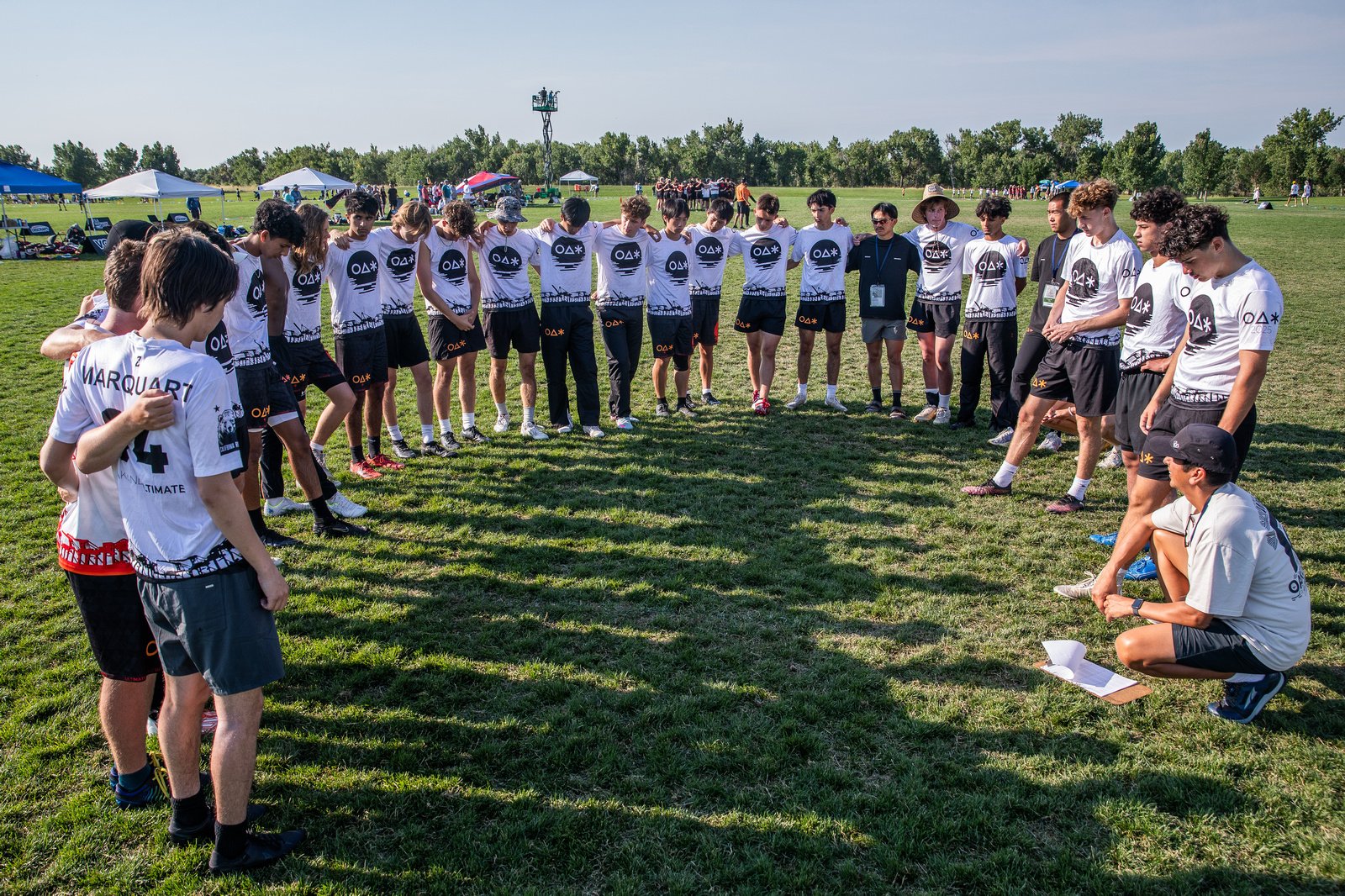
My response to someone asking if they should tryout for their local ultimate frisbee club, even if they feel they aren’t good enough.
— Brodie Smith (@Brodiesmith21) April 23, 2026
Playing with people better than you will make you better. Also, this is a great opportunity to see what your weaknesses are and what you need to…
How to find your first players
Building a community starts with finding those initial players. Local colleges and universities are excellent places to start; many have Ultimate clubs or recreational teams. Don’t overlook recreational sports leagues in your area – people are already looking for activities and might be interested in trying something new. Social media groups, like Facebook groups dedicated to local sports or outdoor activities, Meetup.com, and even relevant subreddits, can also be valuable resources.
Diversity is key. Aim for a group that represents a range of skill levels, ages, and genders. A more inclusive group will be more welcoming to newcomers and more sustainable in the long run. Consider hosting a free 'learn to play' session to attract beginners and generate interest. Make it fun, low-pressure, and focused on the basics.
I’ve found that targeting people who used to play Ultimate is surprisingly effective. Life gets busy, and people sometimes step away from hobbies, but the interest often remains. Reaching out to former players can quickly build a core group with existing skills and enthusiasm. Word-of-mouth is also incredibly powerful – encourage your initial players to spread the word to their friends and colleagues.
- Post flyers at local colleges and universities
- Create a Facebook event for a 'learn to play' session
- Join local sports and outdoor activity groups online
- Reach out to former Ultimate players in the area
Dealing with fields and permits
Securing a field is one of the most practical challenges you’ll face. Your options generally fall into three categories: public parks, school fields, and private facilities. Public parks are often the most affordable, but they typically require a permit, which can involve a fee and a sometimes-lengthy application process. School fields are another possibility, but you’ll need to negotiate with the school administration to gain access, often during off-hours.
Private facilities, such as sports complexes, offer the convenience of well-maintained fields and potentially more flexible scheduling, but they come with a higher cost. Costs can vary significantly depending on location and availability. Expect to pay anywhere from $50 to $200+ per hour for a private field rental. Public park permits might range from a one-time fee of $25 to a seasonal permit costing several hundred dollars.
When choosing a field, consider its size (a standard Ultimate field is 70 yards long by 40 yards wide), surface quality (grass is preferred, but well-maintained artificial turf can work), and lighting (for evening games). It’s also crucial to have a backup field in mind in case of weather issues or unforeseen conflicts. Check with your local parks and recreation department for specific permitting requirements and regulations.
Don't underestimate the time it takes to navigate the permitting process. Start early, be prepared to submit detailed plans, and be persistent. A well-prepared application will significantly increase your chances of success.
League Structure and Formats
The structure of your league will greatly impact the player experience. Hat leagues, where teams are randomly assigned each week, are a great way to encourage mixing and mingling, and they're ideal for beginners. Draft leagues involve a player draft, allowing teams to strategically build their rosters. Pre-formed teams are best suited for more competitive players who want to play with their established groups.
Each format has its pros and cons. Hat leagues promote inclusivity but can be less competitive. Draft leagues offer a balance of competition and social interaction. Pre-formed teams can be highly competitive but might exclude newcomers. Consider running multiple leagues simultaneously to cater to different preferences and skill levels.
Skill divisions are also important. Separating players into beginner, intermediate, and competitive divisions ensures that everyone has a positive experience. Common game formats include 7v7 (the standard for competitive play) and 5v5 (suitable for smaller fields or beginner leagues). USA Ultimate’s rules provide a solid foundation for establishing fair and consistent gameplay.
Clear communication of the rules and schedule is paramount. Post the schedule online, send out regular email updates, and be responsive to player questions. A well-organized league will attract and retain players.
- Hat leagues use random teams to help beginners meet people.
- Draft leagues allow captains to pick players for more balanced competition.
- Pre-formed Teams: Established groups, highly competitive
League Format Comparison
| League Format | Skill Level Mixing | Social Aspect | Competitive Balance | Organizational Effort |
|---|---|---|---|---|
| Hat League | High - Encourages diverse teams | Better for meeting new players | Moderate - Teams change frequently | Moderate - Requires managing the hat selection process |
| Draft League | Good - Attempts to balance teams based on skill | Moderate - Players know each other less initially | Higher - Aims for equitable teams | Medium - Requires a draft event and potentially skill ratings |
| Pre-formed Teams | Lower - Teams often self-segregate by skill | Better for established friend groups | Variable - Dependent on team composition | Lower - Teams handle their own organization |
| Hybrid (Hat/Draft) | Very Good - Initial hat pool followed by a draft | Moderate - Combines social and competitive elements | High - Aims for balanced teams with some social mixing | Higher - More complex organization required |
| Small-Sided (e.g., 5v5) | Good - Easier to integrate varying skill levels | Better for casual play and quick social interaction | Moderate - Skill differences can be more apparent | Lower - Less logistical complexity |
| Large-Sided (e.g., 7v7) | Moderate - Can accommodate more players, but mixing is harder | Moderate - More opportunities for different social circles | Moderate - Requires more strategic team play | Medium - More players to manage |
Qualitative comparison based on the article research brief. Confirm current product details in the official docs before making implementation choices.
Equipment and Costs
You only need three things: a disc, some cones, and a first aid kit. Stick to the standard 175g discs—brands like Discraft or Aria are the gold standard. Don't bother with the cheap plastic ones from big-box stores; they don't fly straight and they'll frustrate your new players.
Costs can add up. A good quality disc will cost around $15-$30. Cones typically cost around $20-$50 for a set. A comprehensive first aid kit can range from $50 to $100. Fundraising can help offset these costs. Consider seeking sponsorships from local businesses or charging a modest league fee.
To lower the barrier to entry, consider offering disc rentals. This allows players to try the sport without having to invest in their own equipment upfront. Reputable disc brands include Discraft, Innova, and Yudu. Transparency about all costs is crucial for building trust with players.
Marketing and Communication
Getting the word out requires a multi-faceted approach. Social media marketing is essential. Create engaging content on platforms like Facebook, Instagram, and TikTok. Share photos and videos of games, highlight player achievements, and promote upcoming events. A website or a league management platform provides a central hub for information, registration, and scheduling.
Email marketing is a great way to keep players informed about league updates, schedule changes, and special events. Flyers and posters can be effective for reaching people who aren’t active on social media. Partnering with local businesses can expand your reach and provide sponsorship opportunities.
Answer emails quickly. If someone asks about a game and doesn't hear back for three days, they won't show up. I've seen local groups grow just by posting raw, unedited clips of a good point on TikTok or Instagram—it doesn't need to be professional to work.
A strong brand identity – a logo, consistent colors, and clear messaging – can help you stand out and build recognition. Invest time in creating a professional and appealing brand.
Spirit of the Game and Conflict Resolution
Ultimate Frisbee is unique in its reliance on self-officiating and the 'Spirit of the Game.' This principle emphasizes fairness, respect, and responsibility. Players are expected to know the rules, make their own calls, and resolve disputes respectfully. It's what truly sets Ultimate apart from other sports.
Conflicts inevitably arise, even in a community built on good sportsmanship. Training players on conflict resolution techniques is essential. Encourage open communication, active listening, and a willingness to compromise. Remind players that the goal is to have fun and maintain a positive environment.
Fostering a positive and inclusive environment is paramount. Create a culture where everyone feels welcome and respected, regardless of their skill level or background. This is especially important for attracting and retaining new players. USA Ultimate offers valuable resources on the Spirit of the Game and conflict resolution.
The Spirit of the Game isn't just about resolving disputes; it's about embodying the values of integrity, fairness, and respect in all aspects of the game. It's a fundamental part of what makes Ultimate such a special sport.
What is the biggest challenge facing new Ultimate Frisbee communities in your area?
Whether you are an experienced organizer or just getting started, your input helps us understand the real obstacles to growing the sport. Vote below and share your experience with the PlayUltimateFrisbee community!



No comments yet. Be the first to share your thoughts!