

Where ultimate stands now
Ultimate Frisbee is experiencing a quiet but consistent surge in popularity. While precise, comprehensive participation numbers are difficult to pin down, the sport has steadily grown beyond its college campus origins. The Bay Area, as evidenced by resources like bayareadisc.org, remains a significant hub, but growth is happening nationally and even internationally. We’re seeing more people discover the unique combination of athleticism, strategy, and self-officiating that Ultimate offers.
Growth is uneven. Some cities have massive leagues while others can't get ten people to show up. Field access and local culture are the biggest hurdles. Since we rely on volunteers, it's cheap to play, but organizers burn out fast. If you want a scene in your town, you have to build it yourself.
The appeal of Ultimate is multifaceted. It's relatively inexpensive to start playing, requiring only a disc and a group of friends. It’s also incredibly inclusive; players of all skill levels and athletic backgrounds can find a place within the community. This accessibility is a major driver of its increasing appeal, particularly as people seek alternatives to more traditional, expensive sports.

Use existing sports networks
One of the most effective ways to grow your local Ultimate community is to connect with existing sports networks. Don’t try to build from scratch; instead, find places where people are already active. Reach out to local soccer leagues, volleyball clubs, or even running groups. Offer to run a free Ultimate demonstration during one of their events. Show them how the skills translate – the throwing motion in Ultimate is similar to baseball, the cutting is akin to basketball, and the endurance demands are similar to many field sports.
Universities and colleges can also be valuable partners. Even if they don't have a formal Ultimate program, you could offer learn-to-play clinics for students. This is a great way to introduce the sport to a new audience and potentially recruit players for local leagues. Partnering with campus recreation departments can open doors to field access and promotional opportunities. It requires building relationships, but the payoff can be substantial.
Consider cross-promotion with other outdoor activities. If your area has a strong hiking or biking community, you could collaborate on events that combine both activities. The goal is to expose Ultimate to people who might not otherwise encounter it. Think creatively about where your target audience spends their time and how you can integrate Ultimate into their existing routines.
“Maggie, what do you like about Twitter?”
— Maggie (@BAEWATCH_1) May 21, 2024
Well you see there’s this account called ultiplanet and it just called out this other company called ultiworld for exploiting the ultimate frisbee community by monopolizing live streams at USA Ultimate events and now people are really mad
Host free clinics
Free beginner clinics are absolutely essential for attracting new players. The key is to make them fun, welcoming, and non-intimidating. Forget about complex strategies and focus on the fundamentals: throwing, catching, and basic cutting. Keep the drills simple and emphasize positive reinforcement. A good clinic isn’t about turning people into experts overnight; it’s about getting them hooked on the sport.
Volunteer instructors are crucial. Recruit experienced players who are passionate about teaching and willing to share their knowledge. Make sure you have enough discs – a ratio of at least one disc per three players is ideal. A common mistake is trying to cover too much ground in a single clinic. It’s better to focus on a few key skills and do them well than to overwhelm new players with information. Vary the activities and incorporate games to keep things engaging.
Be prepared for a range of skill levels. Some participants will be complete beginners, while others may have some athletic background. Offer modifications and challenges to accommodate different abilities. Encourage experienced players to help their less experienced peers. The goal is to create a supportive learning environment where everyone feels comfortable and encouraged. I've found that breaking people into small groups based on experience level can be really helpful.
- Warm-up: Start with light cardio and dynamic stretching.
- Throwing: Teach the forehand and backhand grips and basic mechanics.
- Catching: Practice different catching techniques (pancake, rim catch).
- Cutting: Introduce basic cutting movements (in cuts, out cuts).
- Game Play: End with a short, simplified game to apply the skills learned.
Organize pickup games
Consistent pickup games are the lifeblood of any thriving Ultimate community. This is where players practice, socialize, and develop a love for the sport. Resources like PickupUltimate.com can help you find existing pickup games in your area or create your own. The more regular and accessible the pickup games, the stronger the community will become.
Publicizing pickup games is essential. Use social media, email lists, and word-of-mouth to spread the word. Create a consistent schedule and stick to it as much as possible. Consider offering different levels of play to accommodate different skill levels. A well-organized pickup game should have clear rules and a system for self-officiating.
Challenges inevitably arise. Skill imbalances, disputes over calls, and occasional personality clashes are all part of the game. Establish a clear code of conduct and encourage players to resolve conflicts respectfully. Emphasize the spirit of the game and the importance of fair play. Pickup is about having fun, so prioritize creating a positive and inclusive environment.
Youth Outreach: Investing Long-Term
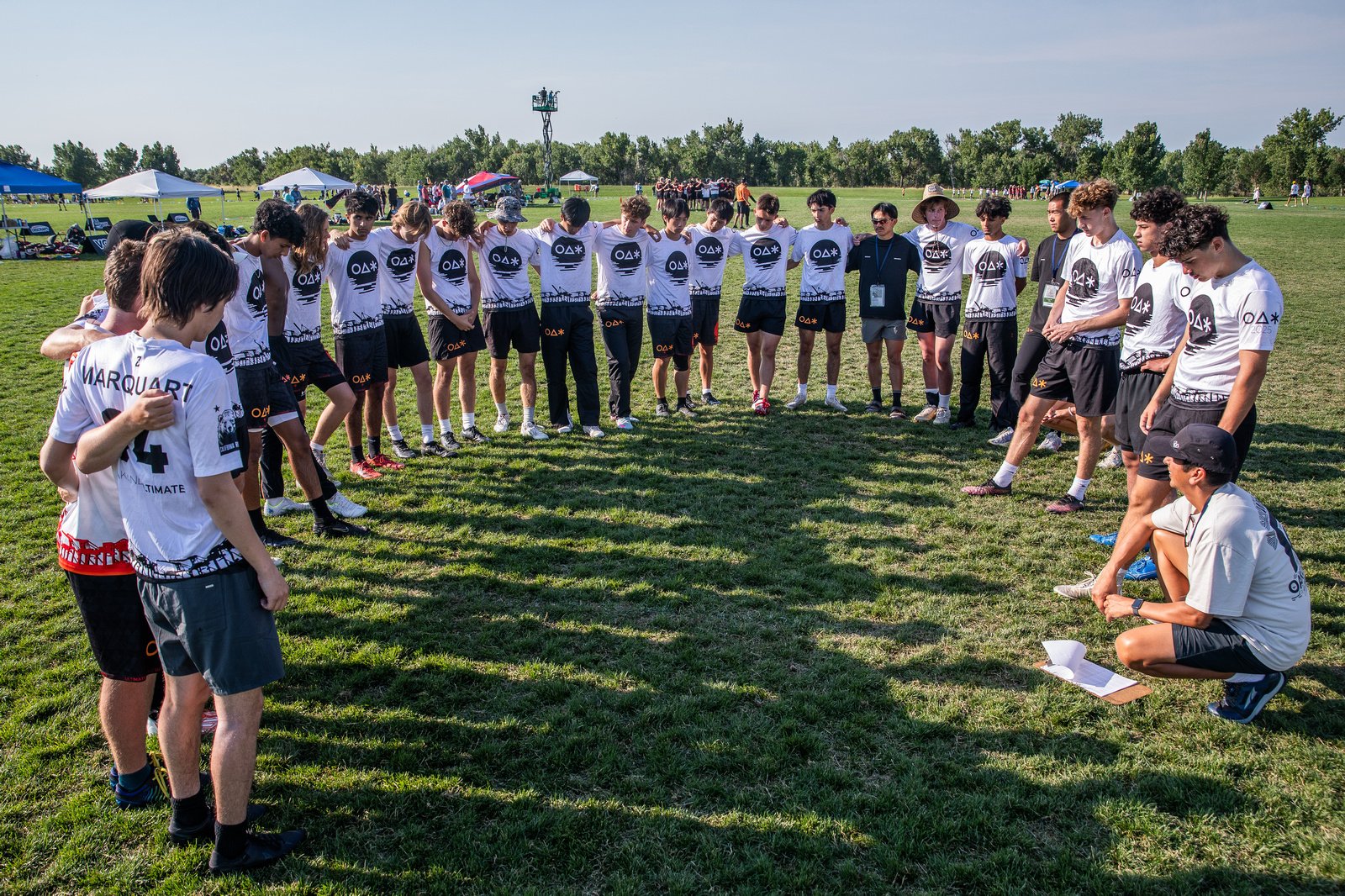
Investing in youth Ultimate programs is crucial for the long-term health of the sport. The Bay Area Disc Association provides a great example of successful youth initiatives. Reaching out to schools, running after-school programs, and offering summer camps are all effective ways to introduce Ultimate to young players. The benefits extend beyond the field – Ultimate promotes teamwork, sportsmanship, and physical activity.
Securing funding and recruiting volunteers can be significant challenges. Explore grant opportunities, fundraising events, and partnerships with local businesses. Leverage the enthusiasm of existing players to recruit volunteers. Parents are often willing to help out, especially if they see the positive impact the sport is having on their children. Don't underestimate the power of word-of-mouth referrals.
Shrink the field and use smaller discs for kids. Don't worry about the stack or complex zones yet. If they have fun, they'll come back next week. Youth sports are about development, so keep the focus on touches and movement rather than the scoreboard.
Online Hubs: Forums and Social Media
A strong online presence is essential for fostering a thriving Ultimate community. A dedicated Facebook group or Discord server can serve as a central hub for communication, event organization, and social interaction. Encourage players to share information, ask questions, and connect with each other online. This is especially important for players who are new to the area or don’t have a large network of Ultimate friends.
Consider creating a local Ultimate website or forum. This can provide a more permanent and organized platform for sharing information, posting event calendars, and archiving resources. A forum can also facilitate more in-depth discussions about strategy, technique, and community issues. Maintaining a website requires some technical expertise, but it can be a valuable asset.
Moderation is key. Establish clear guidelines for online behavior and enforce them consistently. Create a welcoming and inclusive environment where everyone feels comfortable participating. Address any instances of harassment or negativity promptly and effectively. A positive online community can significantly enhance the overall Ultimate experience.


No comments yet. Be the first to share your thoughts!