

Get frisbee right
Use this section to make the Frisbee Rules Update decision easier to compare in real life, not just on paper. Start with the reader's actual constraint, then separate must-have requirements from details that are merely nice to have. A practical choice should survive normal use, maintenance, timing, and budget. If a recommendation only works in an ideal situation, call that out plainly and give the reader a fallback path.
The simplest way to use this section is to write down the must-have criteria first, then compare each option against those criteria before weighing nice-to-have features.
Work through the steps
Frisbee Rules Update works best as a clear sequence: define the constraint, compare the realistic options, test the tradeoff, and choose the path with the fewest hidden costs. That order keeps the advice usable instead of decorative. After each step, pause long enough to check whether the recommendation still fits the reader's actual situation. If it depends on perfect timing, unusual access, or a best-case budget, include a simpler fallback.
Fix common mistakes
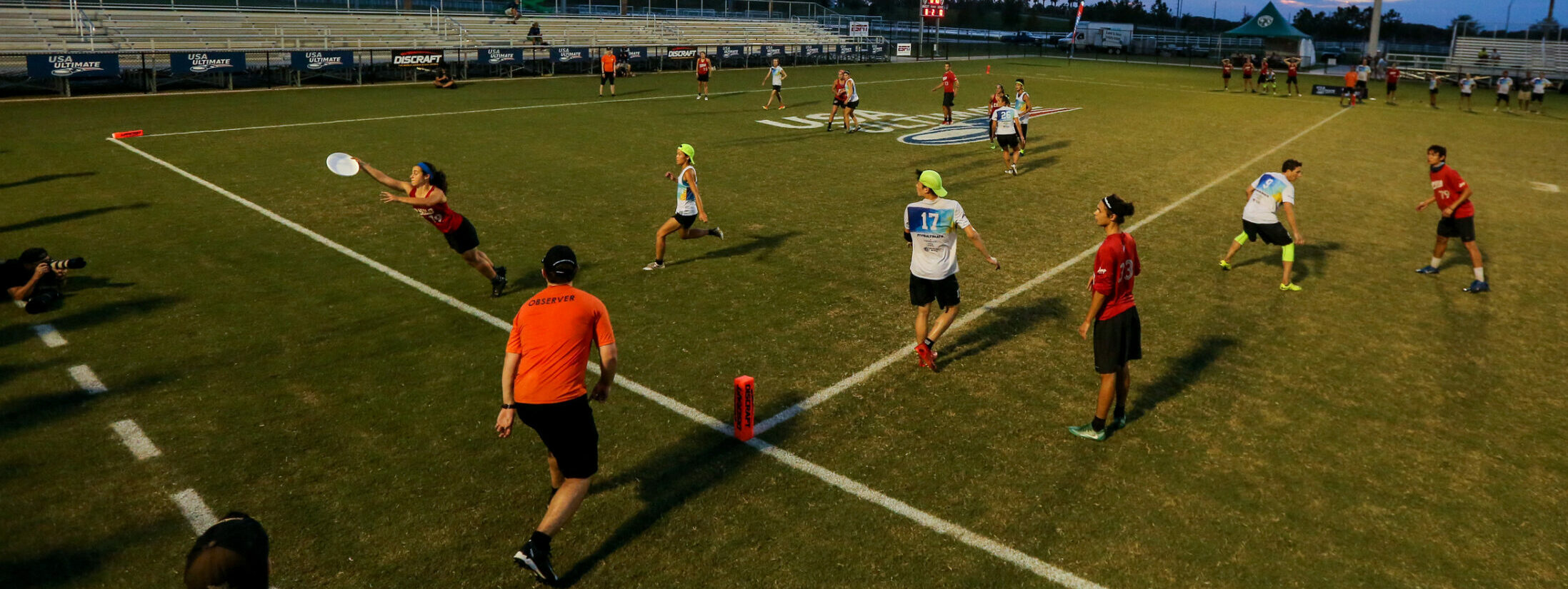
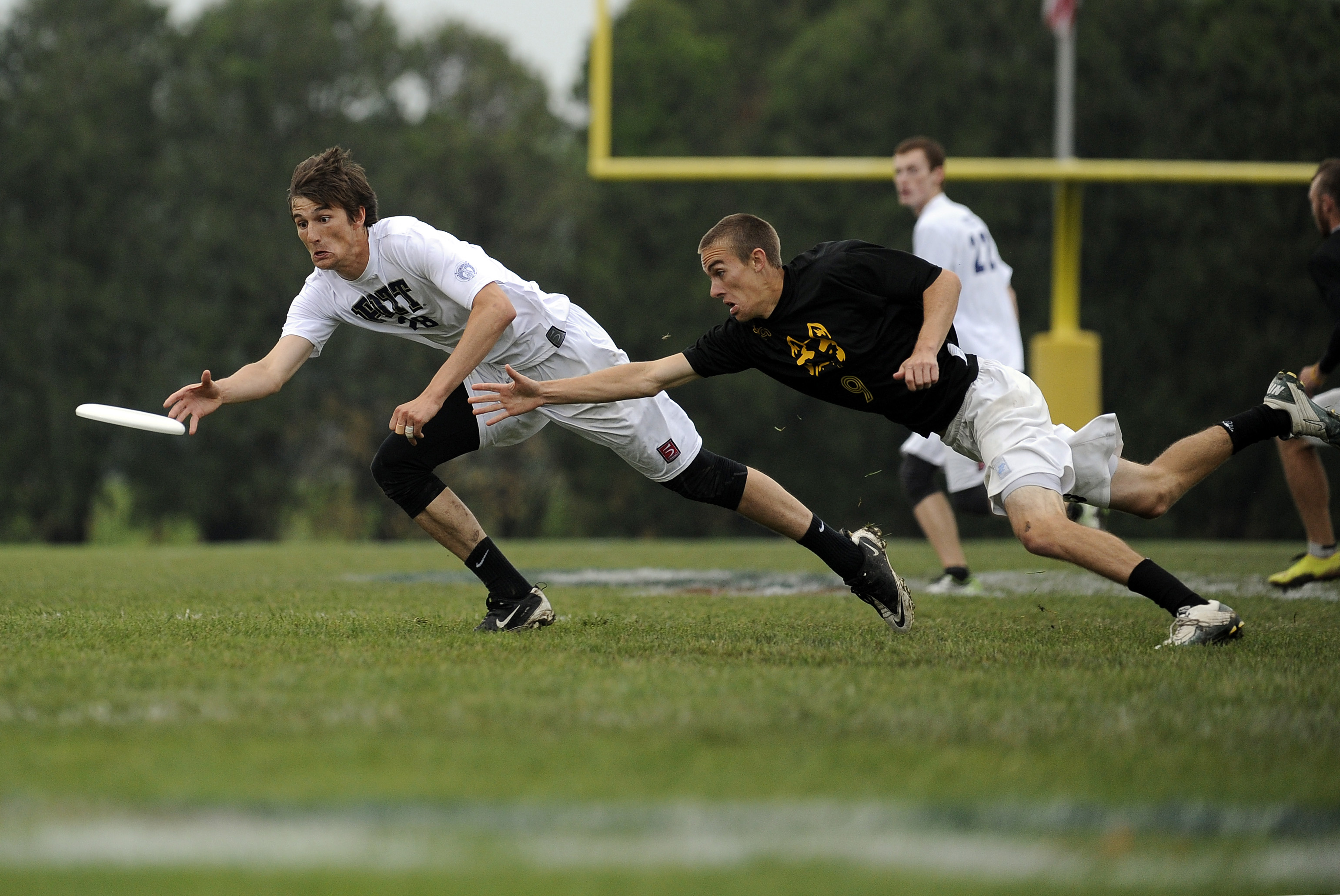
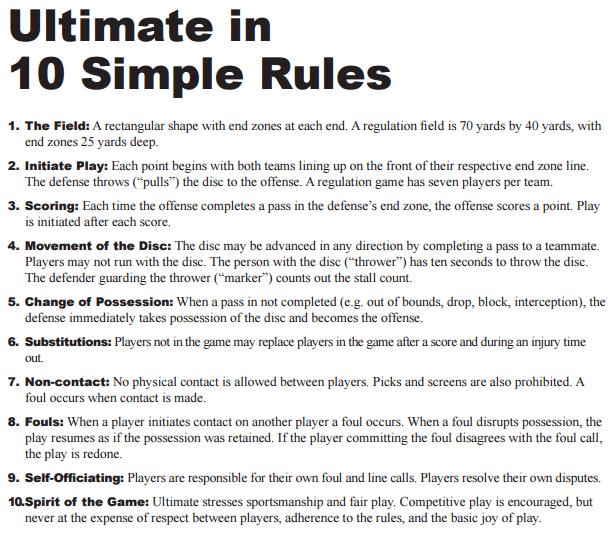
Referees often penalize players for errors that stem from misunderstanding the stopping protocol. The most frequent mistake occurs when a receiver stops their feet but continues to slide or stumble into an opponent. According to USA Ultimate rules, play stops only when a player comes to a complete halt. If you catch the disc and immediately run into a defender, the stall count resets, and you may be called for a foul.
Another common error involves the location on the field. Many players assume they can pick up the disc and throw immediately after a stop. The rule requires all players to assume their specified location before restarting play. If the offense throws before the defense has reset to their correct spots, the throw is nullified. This is not a foul; it is a simple procedural error that wastes time and breaks momentum.
Finally, players often fail to stop quickly enough after a turnover. The rule mandates that each player must come to a stop as quickly as possible. If you continue jogging after the disc hits the ground, you risk encroaching on the defense or causing a collision. This delays the restart and can lead to unnecessary conflicts.
<Callout type="warning" title="Stop Quickly">
  Play stops only when you come to a complete halt. Continuing to move, even slightly, can lead to fouls or nullified throws.
</Callout>
To avoid these issues, focus on three checks:
- Stop your feet: Ensure your feet are planted and stable before celebrating or looking for a pass.
- Check your spot: Verify that all players are in their correct positions on the field.
- Wait for the whistle: Do not throw until the referee signals that play is ready to restart.
By adhering to these simple protocols, you can prevent unnecessary penalties and keep the game flowing smoothly. Remember, the rules are designed to ensure fair play and safety, not to hinder your performance.
No comments yet. Be the first to share your thoughts!