

What is ultimate frisbee
Ultimate frisbee, officially known simply as Ultimate, is a non-contact team sport played with a flying disc. Two teams compete on a rectangular field with end zones at each end. The core objective is straightforward: pass the disc downfield to teammates until a player catches it in the opposing end zone for a point.
Unlike many mainstream sports, Ultimate relies on self-officiating. Players are expected to know the rules and resolve disputes on the field without referees. This system places a heavy emphasis on sportsmanship and fair play, often referred to as "the spirit of the game." While competitive levels exist, the foundational rule remains that the game is played by and for the participants.
The game flows continuously. When a point is scored, the team that scored moves to the other end of the field to receive the pull (the opening throw). If a pass is dropped, hits the ground, or goes out of bounds, possession switches to the other team immediately. This constant turnover keeps the action fast-paced and requires players to be proficient in both throwing and defending.
Set up the field and teams
Before you throw the first pass, you need to define the boundaries and divide the players. Ultimate Frisbee is played on a rectangular field with two end zones, typically on a soccer or football pitch. The standard field is 70 yards long, with two 20-yard end zones at either end. This setup gives you a 30-yard central playing area where the action happens.
You will need a disc for each team, but a single disc is usually sufficient for practice. If you are playing on a formal field, use cones or existing yard lines to mark the end zone boundaries clearly. For casual play, any large open space works as long as you can mark the 20-yard zones.
Team composition
A standard game of Ultimate Frisbee features two teams of seven players each. This 7v7 format is the international standard set by the World Flying Disc Federation (WFDF). Each team must have at least five players on the field to start a game, but seven allows for proper rotation and defense.
You can adjust the number of players for smaller fields or casual games. If you only have 4-6 people, you can play "small-sided" Ultimate, but you must agree on the rules beforehand. The key is to keep the field size proportional to the number of players so the game remains fast and fair.
Throw and catch the disc
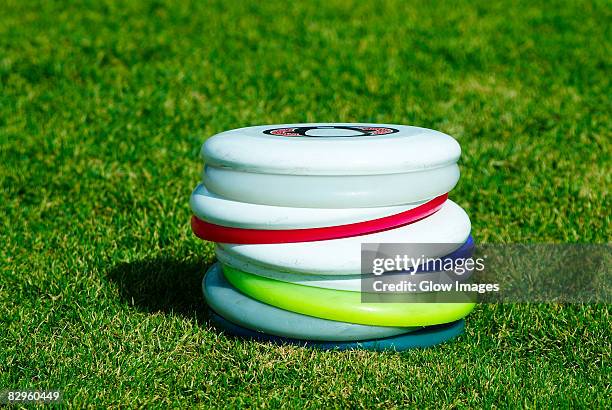
Mastering the two primary throws—the backhand and the forehand (or flick)—is the foundation of Ultimate. These mechanics dictate how you move the disc downfield and create scoring opportunities. While catching relies on hand-eye coordination and positioning, throwing requires specific grip, stance, and release techniques to ensure accuracy and distance.
Grip and Stance
Before you throw, your grip determines your control. For both throws, hold the disc with your fingers spread across the top rim and your thumb pressing firmly on the bottom. This "power grip" provides stability and allows for maximum torque during the release.
Stand with your feet shoulder-width apart. Your non-throwing shoulder should face your target. This alignment ensures that your body rotates correctly through the throw, generating power from your core rather than just your arm. Keep your knees slightly bent to maintain balance and readiness for quick movements.
The Backhand Throw
The backhand is the most common throw in Ultimate and serves as the primary method for moving the disc. To execute it:
- Wind Up: Pull the disc back across your body, keeping your elbow close to your ribs. This coil stores energy in your core.
- Step: Step forward with your opposite foot to transfer weight into the throw.
- Release: Rotate your torso and snap your wrist as you extend your arm. Let the disc fly off your index and middle fingers for a clean release.
The backhand is ideal for medium to long distances and offers a wide arc, making it easier to throw over defenders. Focus on a smooth, controlled motion rather than brute force to improve accuracy.
The Forehand (Flick) Throw
The forehand is essential for short passes, avoiding defenders, and throwing on your strong side when the backhand is blocked. It generates speed through a whipping motion of the forearm and wrist.
- Hold: Grip the disc with your palm facing up, fingers extended along the rim.
- Wind Up: Pull the disc across your body to the side opposite your target.
- Snap: Rotate your torso and snap your wrist forward, releasing the disc from your index finger.
The forehand travels in a flatter, faster trajectory than the backhand. It is particularly useful in tight spaces or when you need to make a quick, precise pass. Practice snapping your wrist to generate the necessary spin and speed.
Catching Basics
Catching is about securing possession without dropping the disc. Use the "pancake" catch for low throws: hold your hand flat, palm down, and catch the disc between your hand and the ground. For high or chest-level throws, use the "claw" catch: form a C-shape with your thumb and index finger, keeping your other fingers spread to create a secure pocket.
Always keep your eyes on the disc until it is firmly in your hands. Communication with teammates is key—call for the disc clearly and adjust your position to make the catch. A successful catch sets up the next throw, keeping the offense moving.
Follow the basic rules of play
Ultimate Frisbee is built on a simple, continuous loop: throw, catch, move, score. Unlike many sports, there are no referees. Players self-officiate, which means understanding the core mechanics of movement and possession is essential to keeping the game flowing.
The stall count and traveling
Once a player catches the disc, they must establish a pivot foot. From that spot, they can move laterally or backward, but they cannot run. To advance the disc, they must pass it to a teammate. The defense marks the thrower with a one-arm extended stance and counts out loud to ten seconds—this is the "stall count." If the thrower hasn’t released the disc by "stall ten," it is a turnover. This rule forces quick decision-making and prevents stalling.
Turnovers and scoring
The disc changes possession (a turnover) in three main ways: an incomplete pass, a catch by the defense, or a stall out. When the offense scores by catching the disc in the end zone, they immediately become the defense, and the scoring team retrieves the disc to start the next point. This rapid transition is the heartbeat of the game.
Self-officiation and spirit
Because there are no referees, players call their own fouls and violations. If a defender touches the thrower during the wind-up or release, it’s a foul. If the thrower travels, the disc is turned over. Disputes are resolved through communication. This system is governed by the Spirit of the Game, a core principle that emphasizes sportsmanship, fair play, and mutual respect above winning. For official rule details, refer to USA Ultimate or the WFDF.
Key takeaways
- Pivot and pass: Establish a pivot foot; do not run with the disc.
- Watch the stall: The thrower has ten seconds to release the disc.
- Self-referee: Call your own fouls and violations respectfully.
- Score and switch: Catching in the end zone ends the point; teams swap sides.
Choose the right frisbee disc
Picking a disc is like choosing running shoes; the wrong fit ruins the experience before you start. For ultimate frisbee, the standard weight is 175 grams. This weight offers the best balance of stability in the wind and ease of throwing for beginners. Lighter discs (160g-165g) fly too fast and are hard to control, while heavier discs (176g+) require more arm strength to throw properly.
The plastic blend matters more than the brand. Beginner-friendly plastics like Pro, Champion, or Star are softer. They grip well in your fingers for consistent releases but wear out faster. Pro plastics are the sweet spot for most new players: durable enough for casual play but soft enough to grip. Avoid hard "pro" plastics like Gold or Star for your first disc; they are slippery and difficult to throw accurately until you develop calluses.
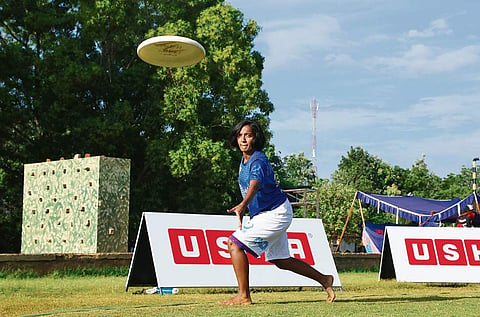
Start with one 175g disc in a soft plastic. You can always buy more later once you know your throwing style. The table below compares common plastic types to help you decide.
| Plastic Type | Grip Level | Durability | Best For |
|---|---|---|---|
| Pro | High | Medium | Beginners |
| Champion | High | High | All-around play |
| Gold | Low | Very High | Advanced players |
| Star | Medium | High | Practice & drills |
Play with the spirit of the game
Ultimate Frisbee is distinct because it operates without on-field referees. Instead, the sport relies on the "Spirit of the Game," a core value where players are responsible for their own conduct and rule enforcement. This self-officiating model demands high levels of honesty, respect, and communication from every participant.
How to handle disputes on the field
When a foul or out-of-bounds call is contested, the play stops immediately. The players involved must discuss the incident calmly to reach a consensus. If they cannot agree, the disc is returned to the last thrower, and the play is replayed. This process ensures that the game continues fairly without the need for external authority.
Sportsmanship expectations
Respect for opponents, officials (if present at tournaments), and the rules is mandatory. Aggressive behavior or intentional fouls are considered violations of the Spirit of the Game. Players are expected to acknowledge their own fouls and accept calls from opponents in good faith.
Watch a beginner game demo
Seeing the flow of a game clarifies the rules better than reading them. This video breaks down the basics of Ultimate Frisbee for beginners, showing how players move, pass, and score without stopping play.
Checklist for your first game
Before you step onto the field, pack your bag with the essentials. You only need a few items to play your first game of ultimate frisbee, but having the right gear makes a big difference in comfort and safety.
- Frisbee: Bring your own disc if you have one. If not, most pickup games provide a few discs for beginners to use.
- Cleats or turf shoes: Field conditions vary. Molded cleats or turf shoes give you the traction needed for quick cuts and stops on grass.
- Water bottle: Hydration is key. Bring at least one liter of water, especially if the sun is out.
- Spirit of the Game mindset: Remember that ultimate is self-officiated. Be ready to communicate respectfully and resolve disputes calmly with your teammates and opponents.
-
Frisbee (or confirm one is provided)
-
Cleats or turf shoes
-
Water bottle
-
Spirit of the Game mindset
Once you have these items, you are ready to join the game. The most important thing is to show up with energy and a willingness to learn. The community is generally welcoming to newcomers, so don’t be afraid to ask questions if you are unsure about a rule.
Work through Frisbee Rule Updates & Equipment Trends
No comments yet. Be the first to share your thoughts!