

The 2026 Champions' Edge
I remember watching the 2026 World Championships final point vividly. Down by one, with the pull going to the defending champions, Ironclad, the tension was palpable. But it wasn’t a spectacular throw or a diving catch that sealed the win for the Underdogs; it was a simple, calm reset after a risky hammer went incomplete. They didn’t panic. They executed. That moment, more than any other, illustrated what’s become increasingly clear in the world of Ultimate: the mental game is often the deciding factor.
Coaches used to obsess over 40-yard dash times and flick technique. Now, the focus has shifted. The 2026 Underdogs proved that high-level Ultimate is won by the team that doesn't blink when the count reaches stall nine in the red zone. It is about practical tools for staying calm when a game gets chaotic.
Top teams are finally treating mental prep like track workouts. They are adapting tools from other pro sports to handle the specific stress of a long tournament weekend. It is a deliberate move to find an edge in a sport where the physical gap between teams is shrinking.
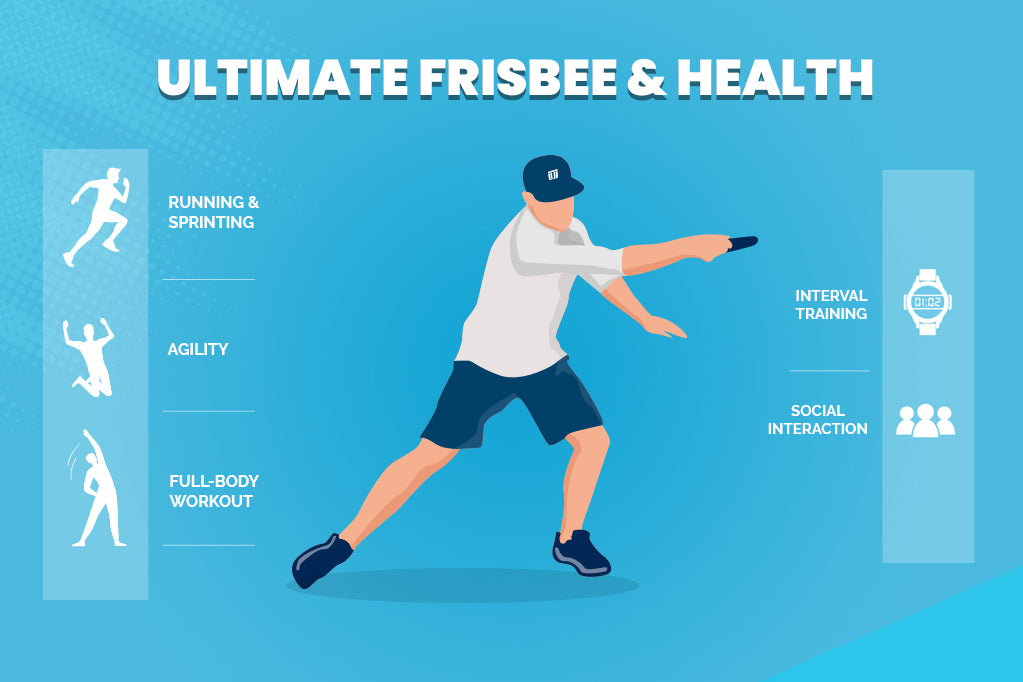
Pre-point rituals and focus cues
Elite Ultimate players don’t just show up and play. They have routines, rituals they perform before each point to prepare mentally. These aren’t necessarily elaborate or time-consuming, but they’re consistent. I’ve noticed many players take a few deep breaths, adjust their grip on the disc, or glance at a teammate to establish eye contact. The point isn’t the action itself, but the creation of a predictable mental state.
A key component of these routines is the use of "focus cues’ – a single word, image, or sensation designed to center the player and block out distractions. One player on the 2026 Underdogs, Maya Sharma, shared in a post-game interview that she uses the word ‘smooth’ to remind herself to relax her throwing motion. Others might visualize a successful throw or focus on their breathing. It"s a way to anchor themselves in the present moment.
Visualization is another powerful technique. Players mentally rehearse successful plays, imagining themselves making the right cuts, throwing accurate passes, and making crucial defensive plays. This isn't just daydreaming; it’s a form of mental practice that can improve performance. Some players even incorporate specific breath patterns into their pre-point routine, utilizing diaphragmatic breathing to calm their nerves and enhance focus.
- Take three slow breaths to drop the heart rate before the pull.
- Pick a single word like 'smooth' or 'snap' to trigger the right mechanics.
- Visualization: Mentally rehearsing successful plays.
- Physical Routine: Adjusting grip, making eye contact, or small movements.
How ACT works on the field
Acceptance and Commitment Training (ACT) is a psychological approach that's gaining traction in high-performance sports, and Ultimate is no exception. The core principle of ACT is psychological flexibility – the ability to embrace difficult thoughts and feelings without getting caught up in them. It’s about acknowledging that negative emotions are a natural part of competition, and learning to function effectively despite them.
This is particularly relevant in a sport like Ultimate, where mistakes are inevitable. A dropped pass, a turnover, a bad read – these things happen. ACT helps players accept these moments without spiraling into self-criticism or dwelling on what could have been. Instead of fighting against negative thoughts, players learn to observe them without judgment, recognizing that they're just thoughts, not facts. This is honestly one of the hardest things to do consistently.
Commitment to values-driven action is another key component of ACT. Players identify what’s truly important to them – teamwork, effort, sportsmanship – and commit to acting in accordance with those values, even when facing challenges. For example, a player might acknowledge their frustration after a turnover, but then refocus on supporting their teammates and making the next play. I haven’t found many players openly discussing ACT specifically, but the principles are evident in how the top teams talk about handling adversity.
The increasing focus on ACT reflects a growing understanding that mental toughness isn’t about suppressing emotions; it’s about learning to navigate them effectively. It’s about building resilience and maintaining focus in the face of uncertainty and pressure.
Why team chemistry is a mental tool
Ultimate Frisbee is, at its heart, a team sport. Individual brilliance can only take you so far. A supportive and cohesive team environment is crucial for fostering mental toughness and resilience. When players feel connected to their teammates and trust that they have their backs, they’re more likely to take risks, embrace challenges, and bounce back from setbacks.
Positive reinforcement and constructive feedback are essential components of a healthy team dynamic. Encouraging words, acknowledging effort, and celebrating successes – these things build confidence and create a sense of belonging. Constructive feedback, delivered with empathy and a focus on improvement, helps players learn and grow without feeling discouraged.
Shared accountability is also important. When the team collectively owns its successes and failures, it creates a sense of unity and shared responsibility. It’s not about blaming individuals; it’s about working together to identify areas for improvement and supporting each other along the way. Teams known for strong cultures, like Revolver and Fury, consistently emphasize these principles.
Dealing with Pressure Moments
High-stakes situations – game point, crucial tournament rounds – can trigger anxiety and pressure. The ability to perform effectively under pressure is a hallmark of elite athletes. So, what strategies do players use to manage these moments? Mindfulness, the practice of focusing on the present moment without judgment, is one technique gaining popularity.
Controlled breathing exercises can also help calm the nervous system and reduce anxiety. Deep, slow breaths can lower your heart rate and promote a sense of relaxation. Focusing on the process rather than the outcome is another key strategy. Instead of worrying about winning or losing, players concentrate on executing their skills to the best of their ability. This reduces the pressure and allows them to stay present in the moment.
Some teams incorporate drills that simulate pressure situations into their training. For example, they might run game-point scenarios repeatedly to help players become accustomed to the feeling of pressure and develop coping mechanisms. I’m not sure how widespread this practice is, but the idea is to desensitize players to the anxiety associated with high-stakes moments.
Spirit of the Game & Mental Resilience
Ultimate Frisbee’s "Spirit of the Game’ (SOTG) is what sets it apart from many other sports. It"s a set of principles that emphasize fair play, respect, and integrity. While often discussed in terms of resolving disputes on the field, SOTG also plays a crucial role in building mental resilience.
Upholding SOTG requires players to be honest, fair-minded, and respectful, even in the heat of competition. This fosters a sense of integrity and self-respect, which can enhance confidence and mental toughness. Resolving disputes fairly and respectfully, even when it doesn’t go your way, builds character and promotes a positive mindset. As the PMC article "Ultimate Frisbee Players: Characteristics according to Their Competitive Level and Spirit of the Game" notes, players who prioritize SOTG often demonstrate greater emotional regulation.
The idea is that prioritizing integrity and sportsmanship isn’t just the "right’ thing to do; it’s also a strategic advantage. When you’re confident in your own values and committed to playing the game the right way, you"re less likely to be rattled by external pressures or distractions. A strong moral compass can be a powerful source of resilience.
How often do you actively practice mental game techniques during Ultimate?
Vote below, then share the mental game techniques you rely on most during training or competition.

No comments yet. Be the first to share your thoughts!